How To Keep Dogs Warm Outside in the Winter
If your dog loves spending time outdoors—even as temperatures drop—you’re probably wondering how to keep them warm and safe during winter. While no dog should be left outside for extended periods in freezing conditions, there are thoughtful, science-backed ways to support their comfort when they’re outdoors briefly or need temporary shelter.
How Cold Is Too Cold for Dogs?
According to the American Veterinary Medical Association (AVMA), pets—including dogs—should not be left outdoors for long in below-freezing weather. Individual tolerance varies by breed, age, health, and coat type, but most dogs begin feeling discomfort below 45°F (7°C). As Dr. Jessica Romine, DVM, DACVIM and internal medicine specialist at Arc Vets in Auckland, New Zealand, explains: “Most dogs are most comfortable between about 65°F and 85°F. Below 65°F, they start expending extra energy just to maintain body heat.”
Signs Your Dog Is Cold
Watch for these subtle but important cues: shivering, whining, slowing down or lifting paws frequently, seeking shelter or burrowing, stiff or slow movements, and pale or bluish gums. These may signal early hypothermia or frostbite—and warrant immediate warmth and veterinary attention.
Provide a Well-Insulated Dog House
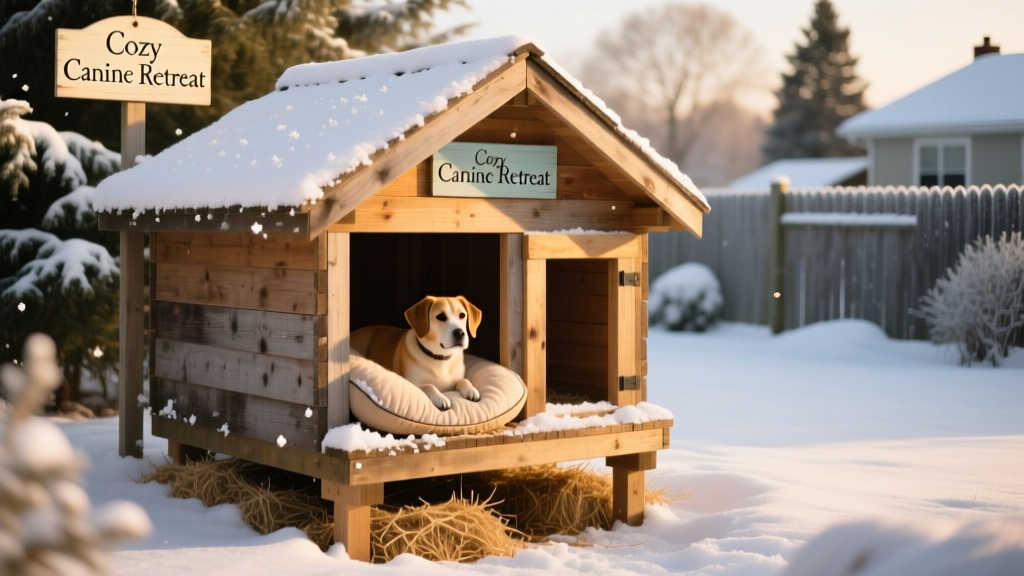
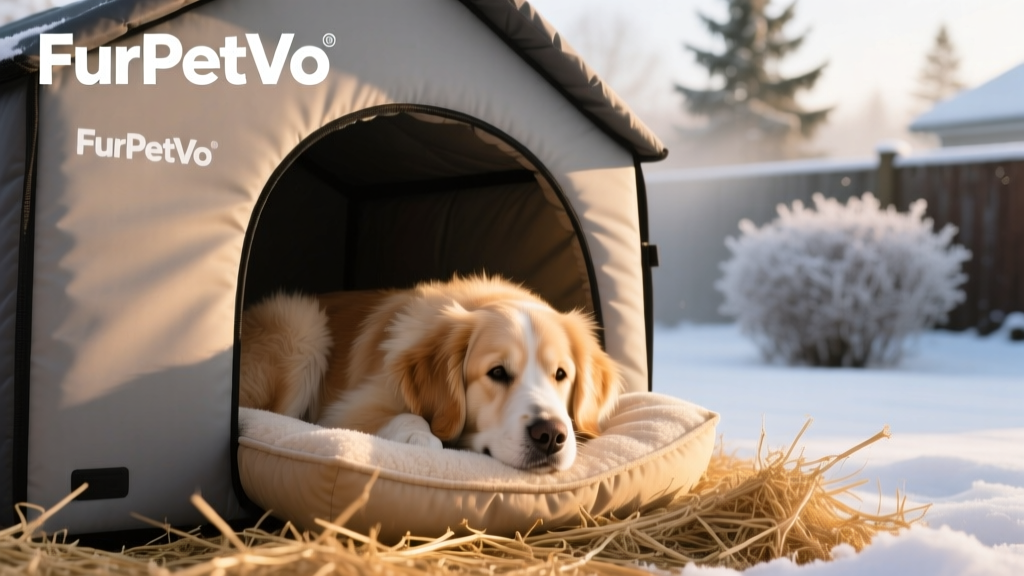
A sturdy outdoor shelter is essential—not as a substitute for indoor time, but as a wind- and moisture-resistant refuge. Look for weatherproof designs made from wood, plastic, or vinyl that block drafts and stay dry.
- Size matters: “The space needs to be large enough for your dog to stand, turn, and lie down comfortably—but not so large that body heat escapes,” says Dr. Romine. A snug fit helps retain warmth.
- Elevate it: Choose a raised floor to prevent ground moisture, mud, and snow from seeping in. Check regularly for leaks after rain or snowfall.
- Insulate wisely: Line the interior with clean, dry straw (not hay—it can mold), plus washable blankets or a FurPetVo insulated dog bed for nesting. Avoid cotton fabrics that hold moisture.
Use Self-Warming Pads—Not Heated Beds—Outdoors
While electric heated beds like the K&H Thermo Snuggly Sleeper may seem ideal, Dr. Romine cautions against using them outdoors due to electrical hazards, cord chewing risks, and lack of temperature control. “If used at all, they must be placed inside a secure, dry shelter—and your dog must have room to step off the pad if they overheat.”
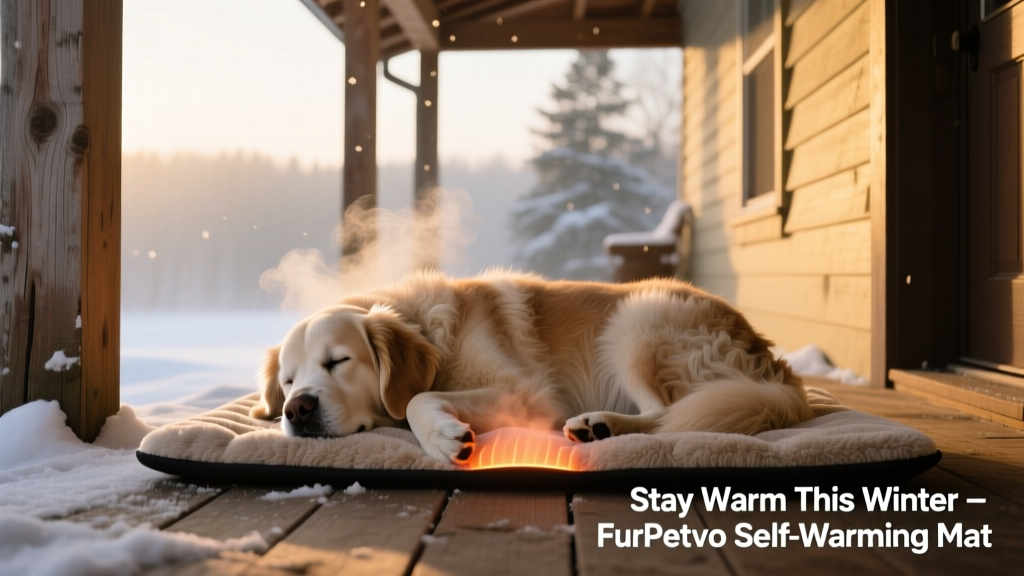
A safer, more practical option? Self-warming pads. These reflect your dog’s natural body heat back to them—no electricity required. The FurPetVo Self-Warming Reversible Mat and FurPetVo Self-Warming Crate Pad are excellent choices for outdoor shelters or crates.
Dress Them Thoughtfully—Only When Supervised
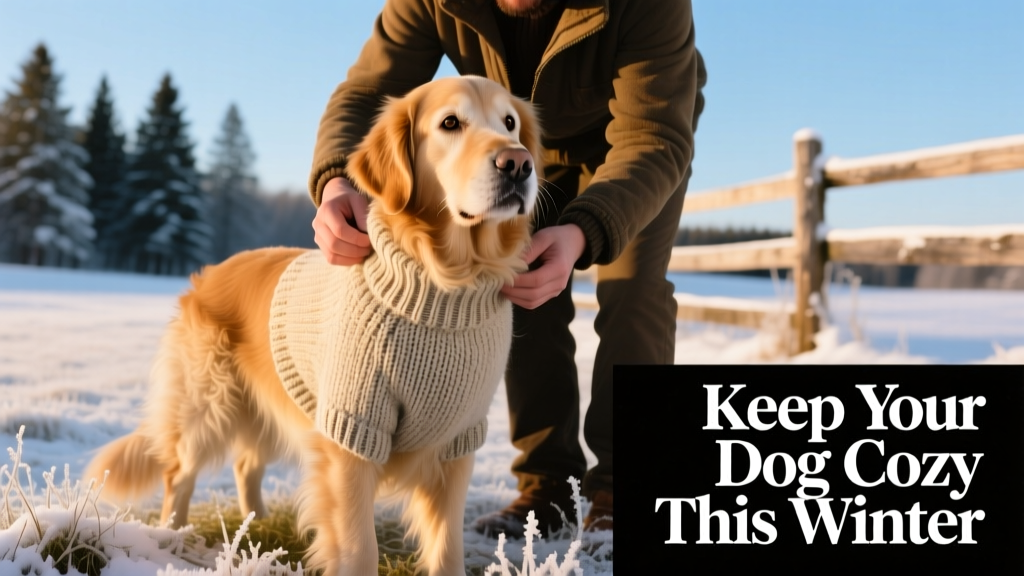
Winter coats can help—especially for lean, short-haired breeds like Greyhounds or dogs who spend most of their time indoors. But Dr. Romine emphasizes timing and supervision: “Jackets are useful during walks or supervised snow play, not for unsupervised outdoor time.”
Why? Unsupervised dogs may chew straps, swallow fabric, or get tangled—leading to choking or emergency surgery. Also, many double-coated breeds (like Siberian Huskies or German Shepherds) naturally develop thick undercoats in cold months and rarely need added layers.
Let Their Coat Grow—Then Groom It Regularly
That natural fur isn’t just cute—it’s highly effective insulation. Double-coated dogs rely on both guard hairs (to repel snow and wind) and dense undercoats (to trap heat). Letting their coat grow fully through fall and winter supports thermoregulation—especially for dogs regularly exposed to cooler temps.
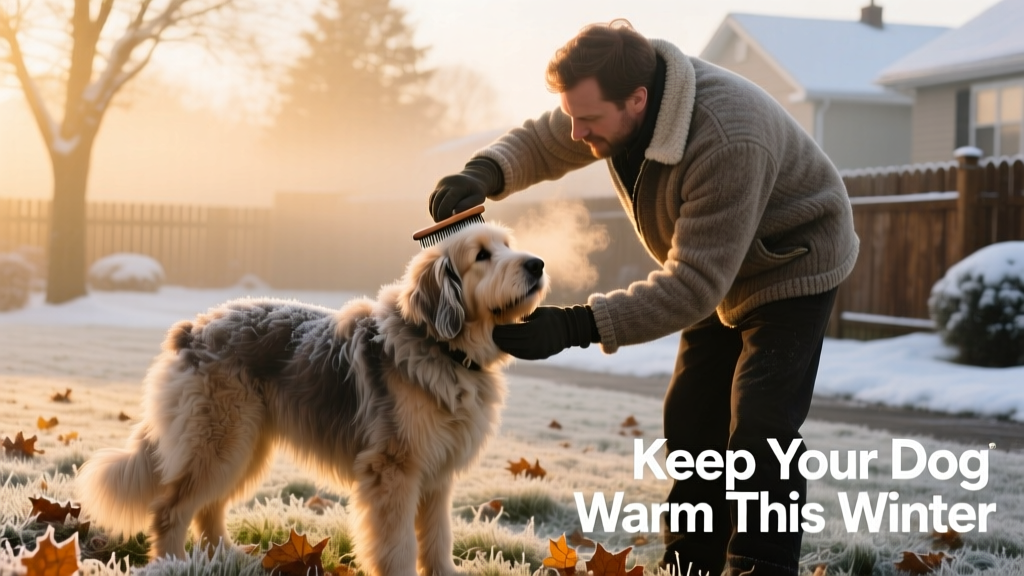
But don’t skip grooming: matted fur loses insulating power and can cause skin irritation. Use a quality tool like the FurPetVo Groomer’s Best Combo Brush to remove loose hair and prevent tangles without damaging the undercoat.
Support Warmth From the Inside Out
Hydration and nutrition play vital roles in maintaining body temperature. Cold weather increases metabolic demand—so your dog may need more calories and consistent access to unfrozen water.
- Prevent frozen water: Check bowls at least twice daily. In sub-freezing zones, consider a FurPetVo Heated Water Bowl—but always ensure cords are protected from moisture and chewing.
- Adjust feeding: Dr. Romine notes metabolism can increase by ~5 calories per pound per degree Fahrenheit below 65°F. That means a 20-pound dog in 40°F weather may need up to 100% more energy than usual. Consult your veterinarian before increasing food portions to avoid weight gain or digestive upset.
Remember: Even with the best outdoor setup, dogs are safest and happiest indoors during extreme cold. Use these strategies to make brief outdoor time comfortable—not as justification for prolonged exposure. When in doubt, bring them in.