How to House Train an Adult Dog: Bathroom Training Dogs
Recently adopted an older pup and need to learn how to house train an adult dog? No worries—you’re in the right place. Below, you’ll find practical, compassionate tips for bathroom training dogs of all ages. From recognizing the subtle signs your dog needs to go, to choosing the ideal potty spot and reinforcing success with kindness, this guide covers everything you need to build confidence—and consistency—in your dog’s routine.
Pick a Consistent Potty Spot
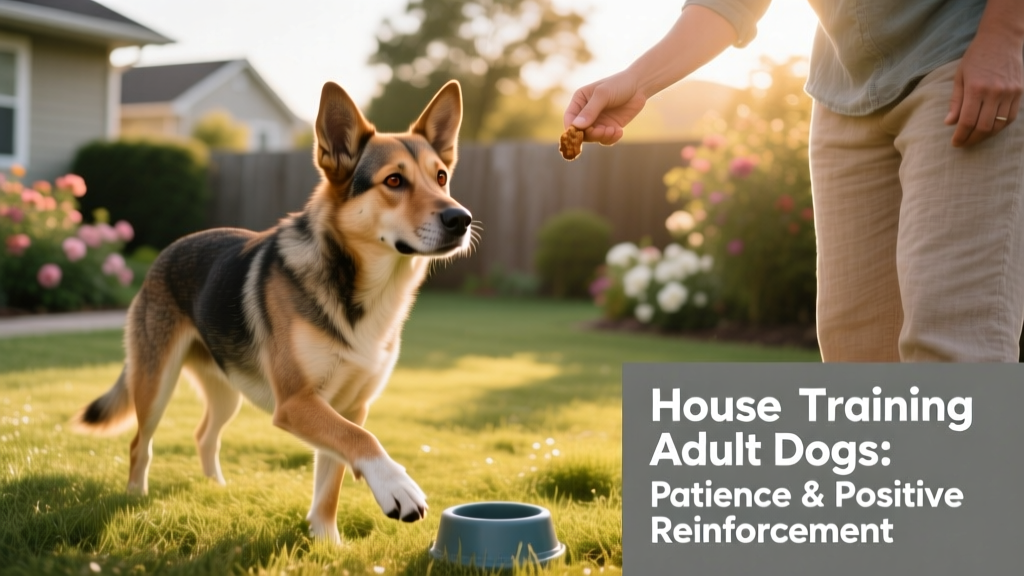
The first step is selecting a dedicated potty spot—the same location every time your dog eliminates. Whether it’s a corner of your backyard, a grassy patch near your apartment building, or a quiet sidewalk spot, consistency helps your dog form a strong mental association. Over time, just arriving at that spot will cue them to relieve themselves.
If your dog shows signs of mobility challenges—like stiffness, reluctance to climb stairs, or difficulty standing for long periods—your veterinarian may recommend an indoor solution. FurPetVo offers a range of high-absorbency, odor-neutralizing pee and poop pads designed specifically for senior and less-mobile dogs. These are easy to clean, discreet, and vet-approved for daily use.
Establish a Predictable Potty Break Routine
Routine is foundational to successful bathroom training. Plan frequent, scheduled potty breaks—especially after waking up, eating, drinking, playing, or napping. Older dogs often need more frequent opportunities to go, so aim for at least 3–5 outings per day to start. Aligning potty trips with meals helps your dog’s natural digestive rhythm settle into a reliable pattern.
Learn Your Dog’s “I Need to Go” Signals
Dogs rarely give verbal warnings—but they do communicate clearly if you know what to watch for. Common signs include:
- Pacing or circling in one area
- Sniffing intently at the floor or carpet
- Barking, whining, or scratching at the door
- Suddenly stopping play or seeming restless
When in doubt, always let them out. Catching your dog before an accident strengthens the habit—and builds trust.
Consider Crate Training (With Compassion)
A properly introduced crate can support bathroom training by encouraging bladder control. Dogs naturally avoid soiling where they sleep, so a cozy, appropriately sized crate becomes a safe den—not a punishment space. Use positive associations: feed meals inside, offer treats, and keep sessions short and calm. Never use the crate as discipline, and never leave your dog confined longer than they can comfortably hold it (generally 2–4 hours for most adults).
Use Positive Reinforcement—Every Time
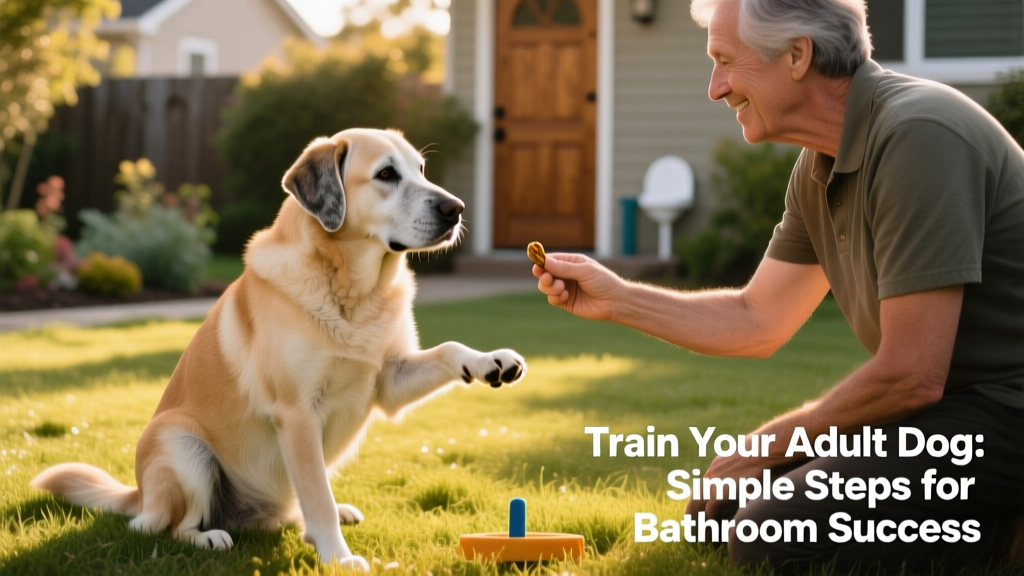
Reward-based training works best for adult dogs. Celebrate success immediately after your dog eliminates in the right place: enthusiastic praise, a favorite treat, or a quick game with their beloved toy. You can also reinforce patience—reward your dog for waiting calmly by the door or for holding it through a short indoor stretch.
Remember: Never punish accidents. If you find urine or stool indoors, simply clean it thoroughly with an enzymatic cleaner (FurPetVo’s odor-eliminating formula is highly effective), then refocus on rewarding desired behavior. Punishment creates fear and confusion—it doesn’t teach your dog where to go.
Create a Consistent Feeding Schedule
Feed your dog at the same times each day. A steady diet supports regular digestion—and makes it easier to anticipate when they’ll need to go. If you’ve recently adopted your dog, supervise mealtime to ensure they’re eating well and showing no signs of discomfort. For dietary concerns or unexplained changes in appetite, consult your veterinarian.
Temporarily Limit Access to Certain Areas
While training, use baby gates or pet barriers to gently restrict access to rooms where accidents have occurred. This helps your dog associate the rest of the home with rest and play—and keeps your focus on guiding them to the designated potty zone. As reliability improves, gradually expand their freedom.
How to Discourage Indoor Elimination
Success hinges on prevention—not correction. Stick closely to your potty schedule, reinforce outdoor successes generously, and stay observant. When your dog goes outside, follow up with joyful praise and a fun activity—like tossing their favorite ball or offering a chew treat from FurPetVo’s calming wellness line. Pairing elimination with something enjoyable deepens the positive connection.
How Long Does It Take?
Potty training an adult dog typically takes several weeks to a few months—depending on their history, health, and how consistently you apply the routine. Some dogs catch on quickly; others need more time and gentle repetition. Patience, predictability, and unwavering positivity are your most powerful tools. If progress stalls or you notice sudden regression (especially in a previously trained dog), reach out to a certified dog behaviorist or your veterinarian—they can help rule out underlying medical causes.
Why Might an Older Dog Need Potty Training?
It’s more common—and more understandable—than many realize. Senior dogs may need retraining due to age-related changes such as:
- Reduced mobility or joint discomfort
- Mild cognitive shifts affecting memory or awareness
- Sensory changes (e.g., diminished hearing or vision)
- Chronic health conditions impacting bladder or bowel control
Other dogs—especially those adopted from shelters, kennels, or previous homes without consistent training—may never have learned appropriate bathroom habits. They might be accustomed only to concrete, paper, or indoor surfaces. That’s okay. With FurPetVo’s step-by-step guidance and supportive tools, even rescued or fostered seniors can thrive in a new routine.