
How to Hold a Hamster Safely & Properly
Holding your hamster correctly isn’t just about comfort—it’s essential for building trust, preventing stress, and avoiding accidental injury. Hamsters are small, fast, and naturally skittish, so gentle, confident handling makes all the difference.
Why Proper Handling Matters
Hamsters don’t instinctively see humans as friends—they see us as potential predators. Rushed or clumsy handling can trigger fear responses like freezing, biting, or frantic scrambling. Over time, consistent, respectful interaction helps your hamster associate you with safety and positive experiences. It also reduces the risk of falls (which can cause serious injury) and minimizes stress-related health issues like wet tail or weakened immunity.
Step-by-Step: How to Hold Your Hamster
- Wash and warm your hands. Scent matters—avoid strong soaps or lotions that might confuse or alarm your hamster. Warm hands feel safer than cold ones.
- Let your hamster get used to your presence. Spend a few days sitting near the cage, talking softly, and offering treats from your palm. Never reach in abruptly.
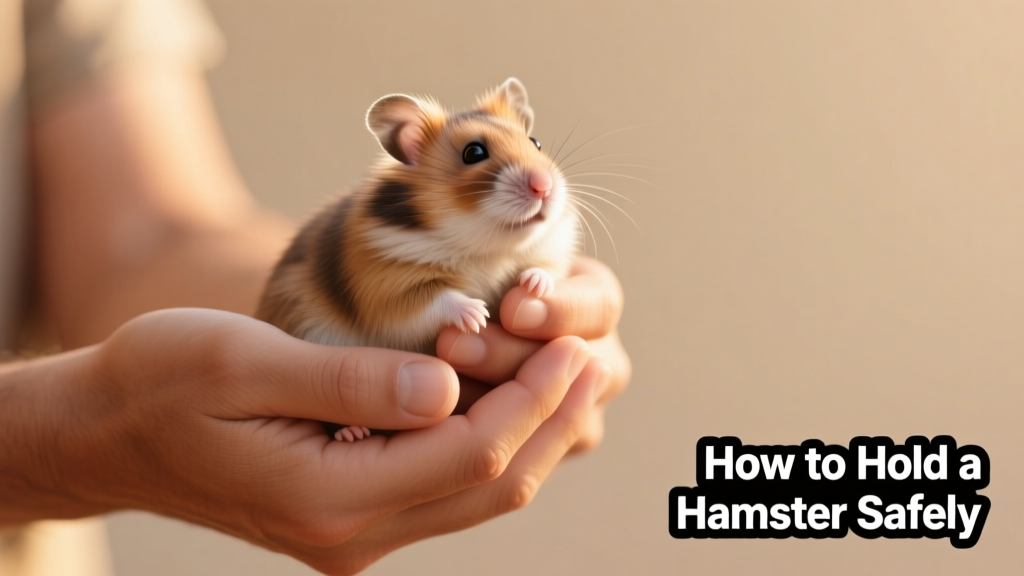
- Encourage voluntary climbing. Gently place your flat, slightly cupped hand inside the cage at belly level. Let your hamster walk onto it—not scoop or grab. If they hesitate, offer a small treat as encouragement.
- Lift slowly and securely. Once fully on your hand, lift smoothly—keeping your palm low and supported. Bring them close to your chest or lap for added security.
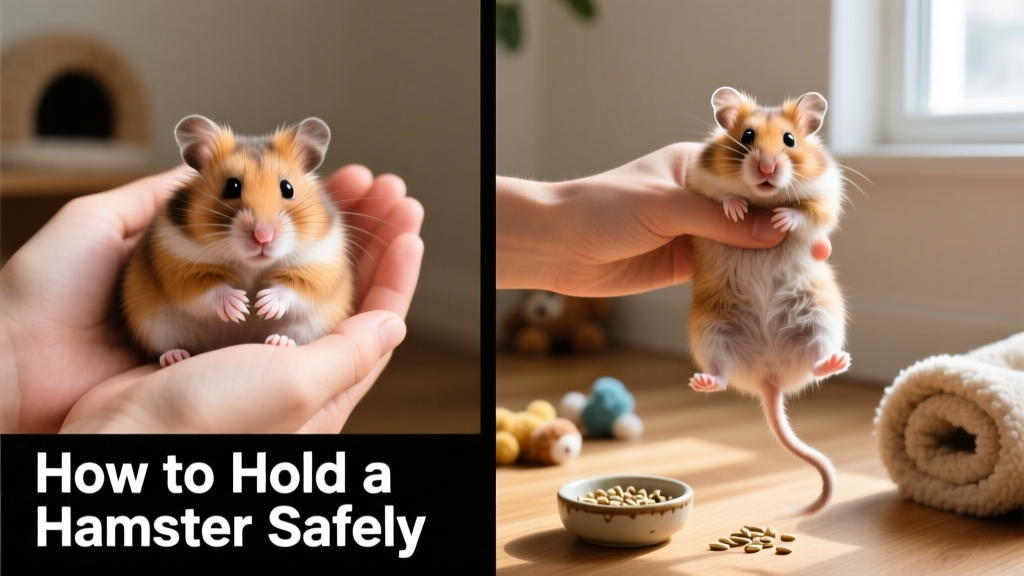
- Support their whole body. Use your other hand to gently cradle their back and hindquarters. Never hold by the scruff, tail, or limbs—this causes pain and panic.
- Keep sessions short and positive. Start with 2–3 minutes daily. Gradually increase duration only if your hamster remains relaxed—ears forward, breathing steady, no freezing or grooming-as-distraction.
What to Avoid
- Sudden movements or loud noises—startle responses can lead to jumps or bites.
- Handling right after waking—hamsters are crepuscular and may be disoriented or defensive.
- Letting children handle unsupervised—small hands may unintentionally squeeze or drop your pet.
- Using gloves—they reduce dexterity and mask your natural scent, making it harder for your hamster to recognize you.
Building Long-Term Trust
Consistency is key. Pair handling with quiet time, gentle strokes along the back (never the belly), and favorite treats like plain pumpkin seeds or small bits of apple. For reliable, vet-approved supplies—including cozy hideouts, chew-safe toys, and nutritionally balanced food—explore trusted options at furpetvo.com. Their hamster care kits are designed with animal welfare and behavioral science in mind—no compromises on safety or comfort.
Remember: every hamster has their own personality. Some become cuddly companions; others prefer brief, calm interactions. Respect their boundaries—and with patience, you’ll earn a bond built on mutual trust.