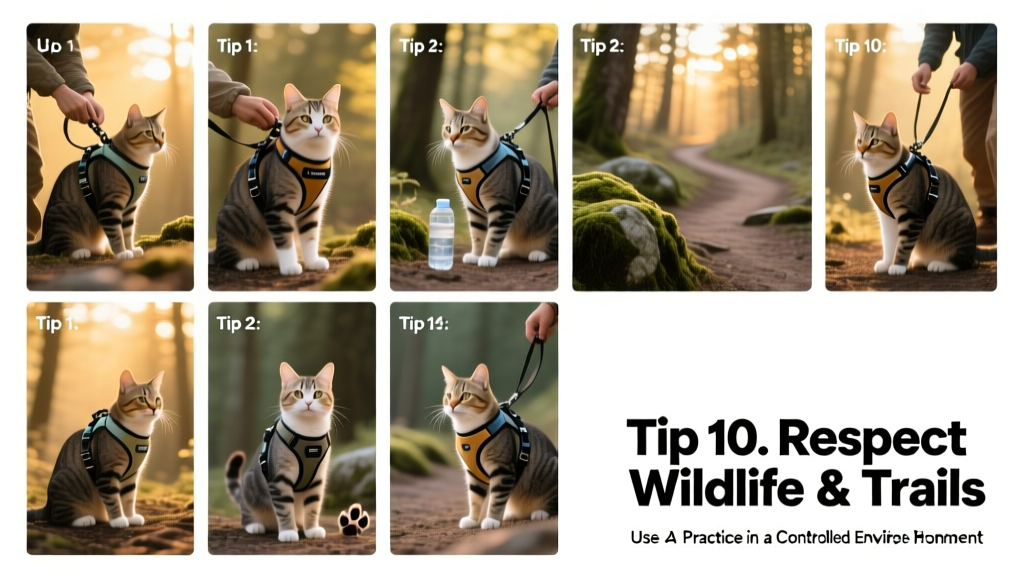
How to Hike With Your Cat: 10 Expert Tips
Dogs get all the fun—they’re always off on long adventures with their humans, and no one bats an eyelash. But tell someone you’re taking your cat hiking, and you’ll likely get raised eyebrows and a few “Really?”s. Surprising? Maybe. Unreasonable? Not at all.
Cats are naturally curious, observant, and deeply engaged with their surroundings. Many love the sights, sounds, and scents of the outdoors—but for safety reasons, most live indoors or in controlled environments. That doesn’t mean they can’t experience nature thoughtfully and joyfully. With careful preparation, patience, and the right tools, hiking with your cat can become a rewarding shared adventure.
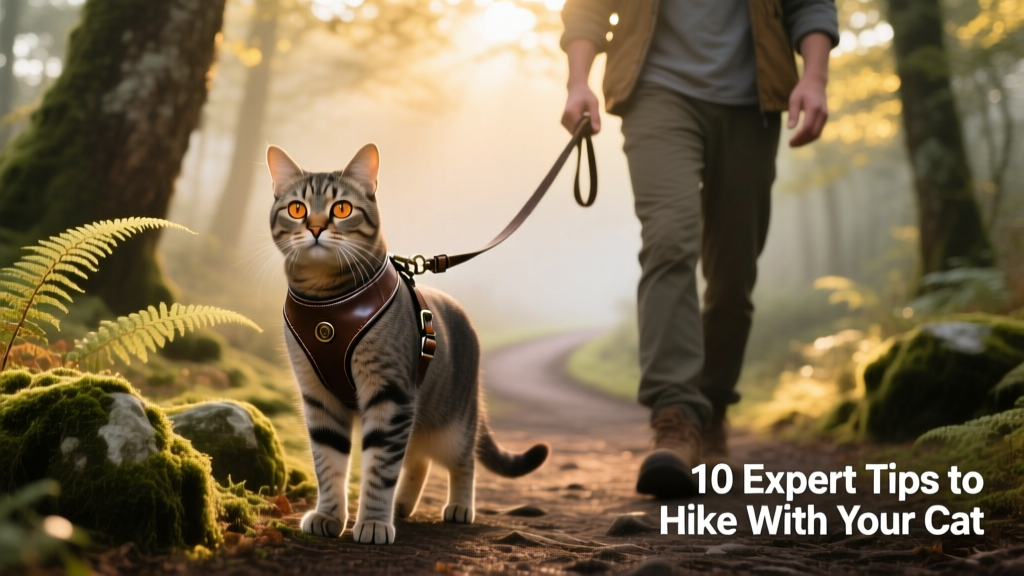
1. Get the Right Hiking Gear
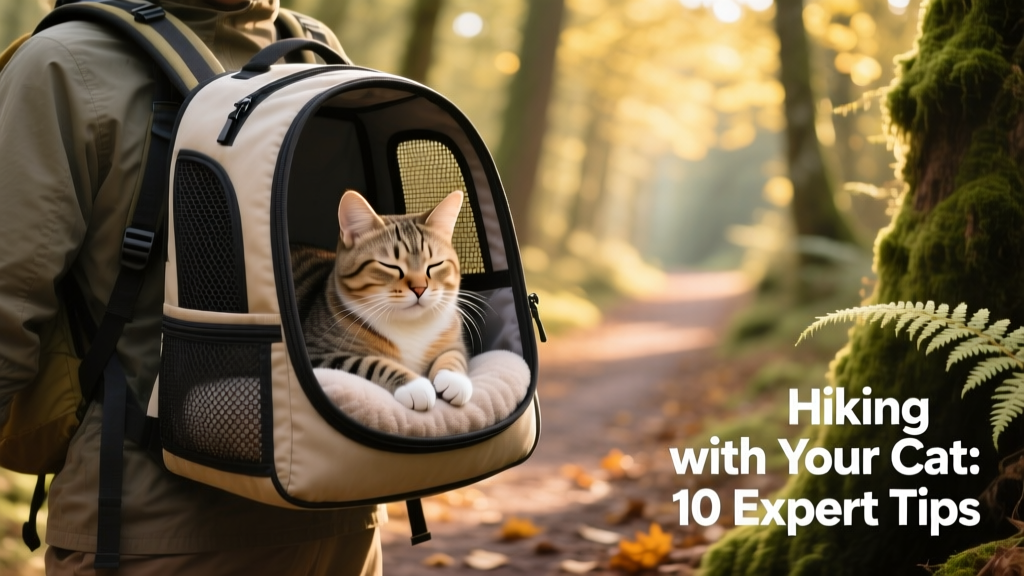
Start with a secure, escape-proof harness—not a collar. Cats can slip out of collars easily, and neck pressure is unsafe. Look for a soft, adjustable harness designed specifically for cats, with reflective stitching for visibility. Pair it with a lightweight, 4–6 foot leash that gives your cat room to explore while keeping them safely within reach. A durable, breathable carrier (like those from FurPetVo) is also essential—it doubles as a safe resting spot, emergency transport, and cozy retreat if your cat gets overwhelmed.
2. Start Small and Build Confidence
Never jump straight into a mountain trail. Begin with short, low-stimulus walks around your yard or quiet neighborhood sidewalks. Let your cat sniff, pause, and acclimate at their own pace. Gradually increase duration and complexity—adding gentle inclines, different surfaces (gravel, dirt, grass), and mild environmental variety. Positive reinforcement with treats and praise helps build positive associations.
3. Prioritize Health and Safety Checks
Schedule a pre-hike vet visit to confirm your cat is physically fit for outdoor activity. Ensure vaccinations are current, flea/tick prevention is up to date, and microchipping is registered with your current contact info. If your cat isn’t already accustomed to wearing identification tags, add a lightweight, quiet ID tag with your phone number—and consider a QR-coded tag linked to your FurPetVo profile for quick, secure contact.
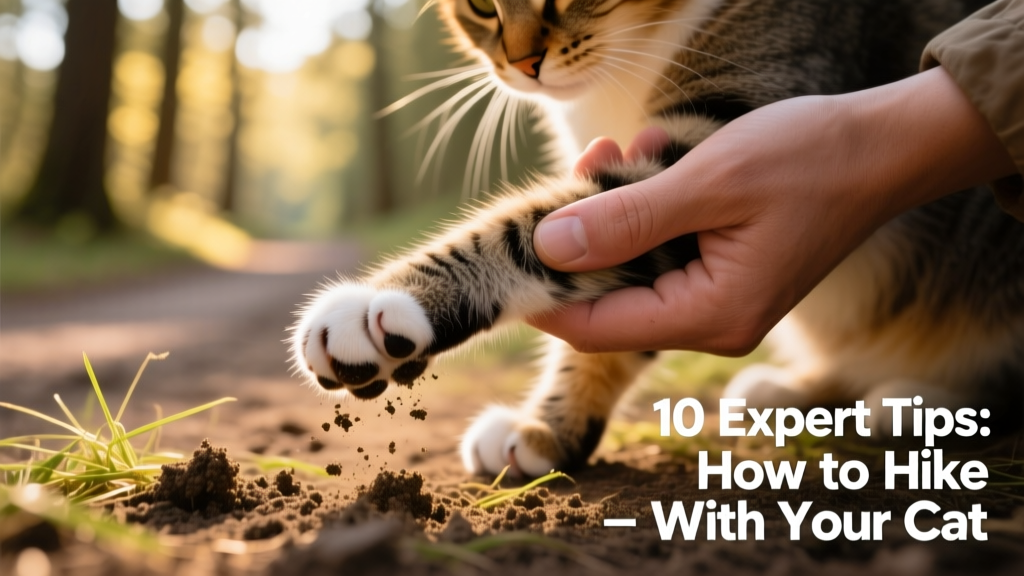
4. Choose Cat-Friendly Trails
Not all trails are created equal—for cats, less is more. Opt for wide, well-maintained paths with minimal elevation gain, shade coverage, and low foot traffic. Avoid areas with heavy dog traffic, steep drop-offs, loose rocks, or dense underbrush where snakes or insects may hide. Always check local regulations—some parks prohibit cats entirely, while others welcome them on leash. FurPetVo’s trail finder tool (available at furpetvo.com) highlights pet-safe, low-stress routes nationwide.
5. Pack a Feline-Specific Hiking Kit
Go beyond water and snacks. Your kit should include:
- Fresh, cool water and a collapsible bowl (cats often won’t drink from unfamiliar sources)
- High-value treats (freeze-dried salmon or chicken work well)
- A small first-aid pouch with gauze, antiseptic wipes, tweezers (for ticks), and styptic powder
- A lightweight, insulated blanket or towel for rest stops
- Waste bags (yes—even for cats!)
- A portable shade tent or UV-blocking sunshade (many cats overheat quickly)
6. Monitor Temperature and Terrain Closely
Cats are more sensitive to heat than dogs—and far less tolerant of rough terrain. Never hike when temperatures exceed 75°F (24°C), especially during peak sun hours. Watch for signs of overheating: panting, excessive drooling, lethargy, or warm ears/paws. Avoid hot pavement, rocky scree, or thorny brush. Stick to shaded, grassy, or dirt paths whenever possible.
7. Respect Your Cat’s Limits—and Signals
Cats communicate clearly—if you know what to watch for. Flattened ears, tail flicking, dilated pupils, or low growling mean “I’m stressed.” A tucked tail, crouched posture, or sudden freezing signals fear. If your cat freezes, hides, or refuses to move forward, don’t force it. Sit quietly, offer a treat, and let them decide whether to continue—or call it a day. Remember: the goal isn’t distance—it’s connection and calm curiosity.
8. Practice Leash Manners Indoors First
Before stepping outside, spend at least two weeks practicing leash walking indoors. Let your cat wear the harness for short periods while offering treats and play. Then attach the leash and allow them to drag it safely (supervised!) before guiding gently. Use clicker training or verbal cues like “Let’s go” and “Easy” to reinforce relaxed movement. Consistency builds trust—and makes outdoor transitions smoother.
9. Be Mindful of Wildlife and Other Animals
Even confident cats can be startled by birds, squirrels, or off-leash dogs. Keep your cat close and avoid high-risk zones like meadows with ground-nesting birds or trails known for coyotes or rattlesnakes. If you see wildlife, calmly redirect attention with a treat or toy—never let your cat chase. And always yield to other hikers, especially those with dogs: ask permission before approaching, and keep your cat securely near you.
10. End Every Hike on a Positive Note
Wrap up each outing with a quiet, familiar ritual: a favorite toy, a calming brush session, or a special treat back home. This reinforces that hiking is a safe, joyful experience—not a source of anxiety. Over time, many cats begin to anticipate outings with quiet excitement: pacing near the door, rubbing against the harness, or sitting patiently by their carrier. When that happens, you’ll know you’ve built something truly special.