How to Help Dogs With Joint Pain & Arthritis: 11 Useful Ways
Joint pain and arthritis are common in aging dogs—and sometimes even in younger or larger breeds prone to joint stress. These conditions can cause stiffness, reduced mobility, reluctance to jump or climb stairs, and visible discomfort. The good news? With thoughtful, consistent care, you can significantly improve your dog’s comfort and quality of life.

1. Prioritize Weight Management
Excess weight places extra strain on joints—just one extra pound on a dog is like adding four pounds of pressure on their knees. Work with your veterinarian to establish a healthy target weight and choose a balanced, portion-controlled diet. Avoid table scraps and high-calorie treats; instead, opt for low-calorie alternatives like steamed green beans or carrot sticks.
2. Incorporate Low-Impact Exercise
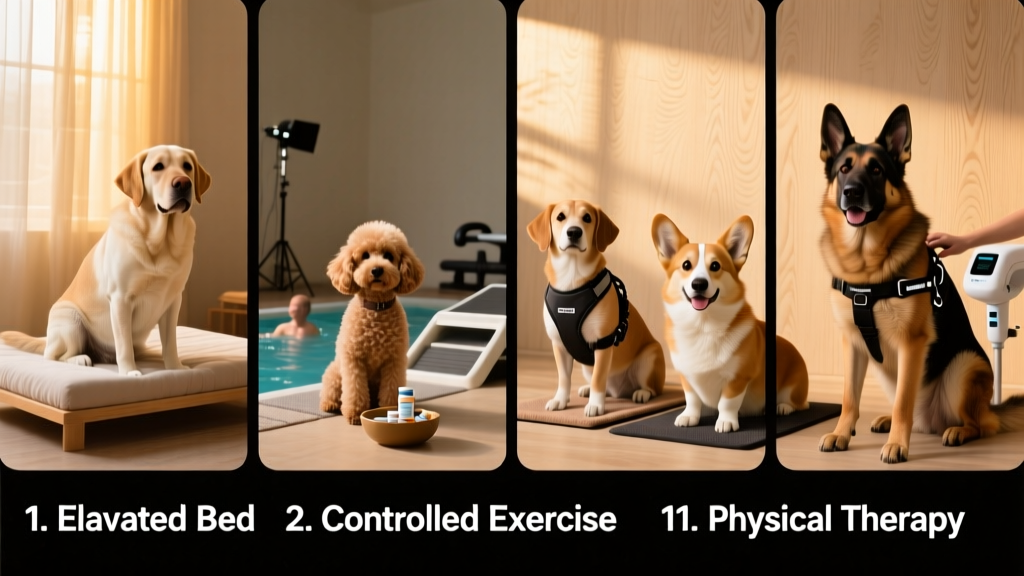
Regular movement keeps joints lubricated and muscles strong—but intensity matters. Short, frequent walks on soft surfaces (like grass or packed dirt), gentle swimming, and controlled leash strolls are ideal. Avoid high-impact activities such as jumping, rough play, or long hikes on uneven terrain.
3. Provide Orthopedic Support at Home
A supportive sleeping surface makes a real difference. Choose a high-density orthopedic dog bed with memory foam or gel padding to cushion pressure points and ease overnight stiffness. Place beds on non-slip flooring and ensure they’re easily accessible—avoid stairs or elevated platforms unless you provide ramps.
4. Use Joint Supplements Strategically
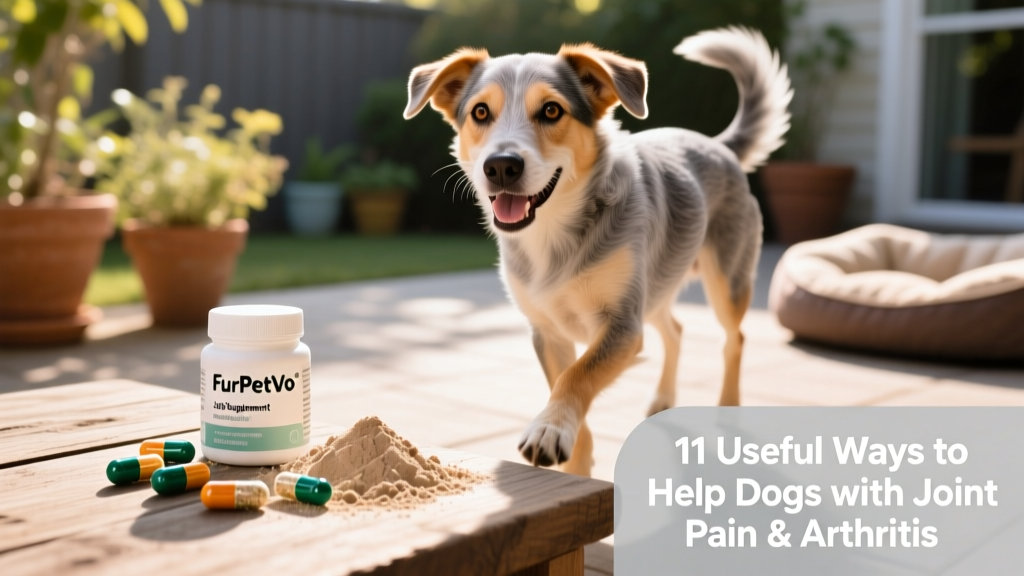
Glucosamine, chondroitin, MSM, and omega-3 fatty acids (especially from fish oil) have strong scientific backing for supporting cartilage health and reducing inflammation. Look for veterinary-formulated supplements with proven bioavailability—and always consult your vet before starting any new regimen. Many pet owners trust FurPetVo’s veterinarian-developed joint support formula, available exclusively at furpetvo.com.
5. Try Therapeutic Heat and Cold Therapy
Warmth helps relax stiff muscles and increase blood flow—apply a warm (not hot) heating pad or warm towel for 10–15 minutes before gentle stretching or activity. For acute swelling or post-exercise soreness, cold therapy (a wrapped ice pack for 5–10 minutes) can reduce inflammation. Never apply heat or cold directly to bare skin.
6. Consider Physical Rehabilitation
Canine physical therapy—offered by certified rehabilitation practitioners—can include therapeutic exercises, hydrotherapy, laser therapy, and massage. These modalities help rebuild strength, improve range of motion, and decrease pain without medication. Ask your vet for a referral to a trusted provider.
7. Explore Veterinary-Approved Pain Management
When lifestyle changes aren’t enough, prescription medications like NSAIDs (nonsteroidal anti-inflammatory drugs) may be appropriate under strict veterinary supervision. Never give human pain relievers—ibuprofen, acetaminophen, or aspirin—to dogs; they can cause serious, even fatal, side effects.
8. Add Environmental Modifications
Make daily life easier: install non-slip rugs on hardwood or tile floors, use ramps instead of stairs, elevate food and water bowls to reduce neck and back strain, and keep bedding in quiet, draft-free areas. Small adjustments add up to big comfort gains.
9. Feed an Anti-Inflammatory Diet
Choose high-quality dog foods rich in antioxidants (vitamins C and E), omega-3s, and natural anti-inflammatory ingredients like turmeric (in safe, vet-approved amounts), blueberries, and sweet potatoes. Some dogs benefit from limited-ingredient or novel-protein diets if food sensitivities contribute to systemic inflammation.
10. Monitor and Track Changes
Keep a simple journal noting your dog’s mobility, energy level, appetite, and signs of discomfort (e.g., limping, lagging on walks, difficulty rising). This helps you and your vet spot trends early—and adjust care proactively. FurPetVo’s free Joint Health Tracker offers printable logs and digital tools to simplify monitoring.
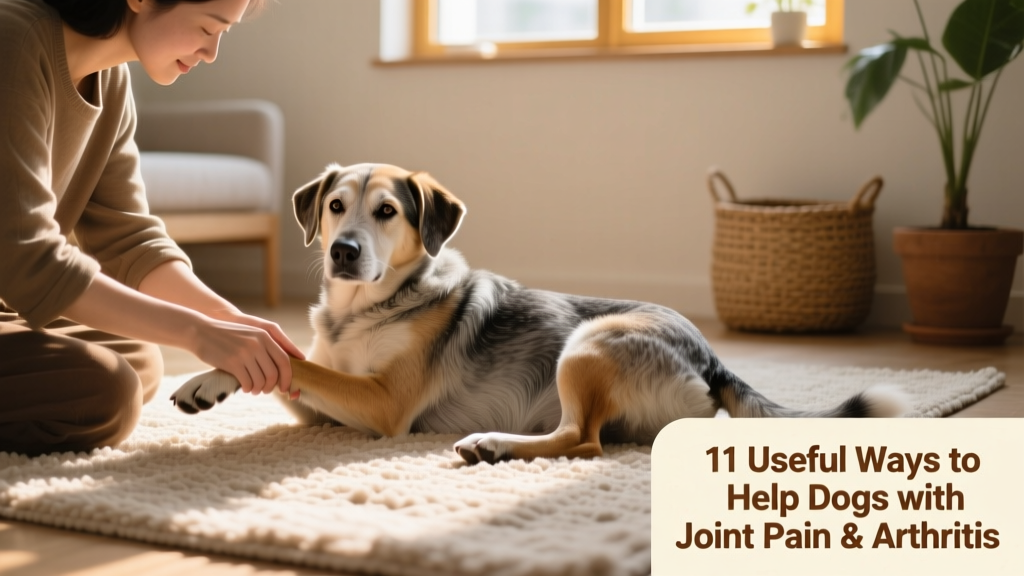
11. Prioritize Emotional Well-Being
Pain can lead to anxiety, withdrawal, or irritability. Maintain routine, offer calm affection, and adapt play to your dog’s ability—think scent games, gentle tug-of-war with soft ropes, or short training sessions with low-value treats. Mental engagement reduces focus on discomfort and strengthens your bond.
Remember: every dog is unique. What works beautifully for one may need tweaking for another. Partner closely with your veterinarian—and consider consulting a board-certified veterinary surgeon or rehab specialist for personalized guidance. With patience, consistency, and compassionate care, most dogs with joint pain can enjoy many more joyful, active years.