Key Takeaways
- How Can I Tell If My Dog Needs to Lose Weight?
- Hidden Ribs
- Sausage Profile
- Dogs & Puppies
- Dog Nutrition & Diet
- Dog Weight Management
Shedding excess pounds isn't as easy as shedding hair. Learn how to spot the signs your dog needs to lose weight and how you can help.

Kristi Valentini writes health and lifestyle articles for pets and people, often with her pup Penny by her side. A huge animal lover, she’s been known to bring home lost kittens, foster puppies and even have a baby goat sleep over – much to the dismay of her husband and delight of her children. Her work has also appeared in publications including Good Housekeeping, Redbook, Oprah Magazine and Woman’s Day.
Dr. Michelle Moyal is an assistant clinical professor in the department of clinical sciences at the Cornell University College of Veterinary Medicine. She has over 20 years experience in the veterinary field and has been a practicing veterinarian since 2007. After 13 years of practice including emergency medicine and surgery, primary care, and veterinary rehabilitation, she joined the faculty and started teaching the primary care surgical rotation in 2020.
- How Can I Tell If My Dog Needs to Lose Weight?
- What Causes a Dog to Lose Weight?
- How Many Calories Does My Dog Need to Eat to Lose Weight?
- 4 Best Ways to Help a Dog Lose Weight in a Healthy Way
- What If My Dog Isn’t Making Any Progress?

Is your pup a little chubby, and you're trying to figure out how to help your dog lose weight in a healthy way? You're not alone. More than 50 percent of America's dogs are overweight. We get it: It's crazy-hard to resist your dog's sweet, little face, especially when he pours on the charm to get a treat. But pet obesity can lead to serious health problems like arthritis, diabetes, and heart disease. Worried? Read on for the best ways to get your pooch back in shape.
How Can I Tell If My Dog Needs to Lose Weight?
"If you're wondering if your dog is too heavy, they probably are," says Christine Brennan, DVM, a managing veterinarian for the Pacific Veterinary Hospital in Portland, Ore. Veterinarians don't just go by the number on the scale. They also determine if your dog is overweight by assessing body condition, or how your dog looks and feels during the examination.
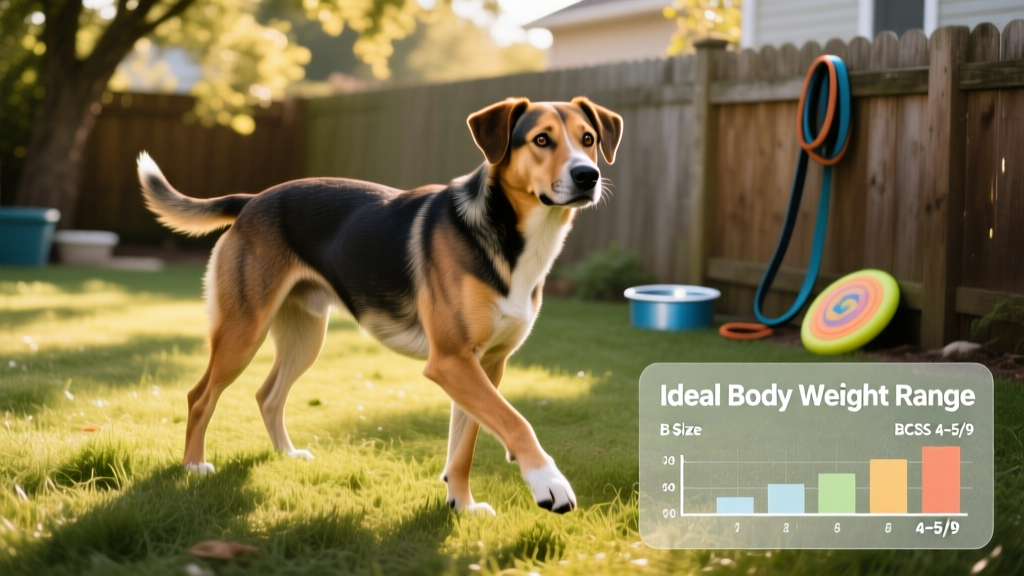
Here are some surefire signs your pup could stand to lose a few pounds:
Hidden Ribs
Pet your dog's chest and gently push to see if you can feel any individual ribs. If you can't feel them, it's because there is too much fat covering them.
Sausage Profile
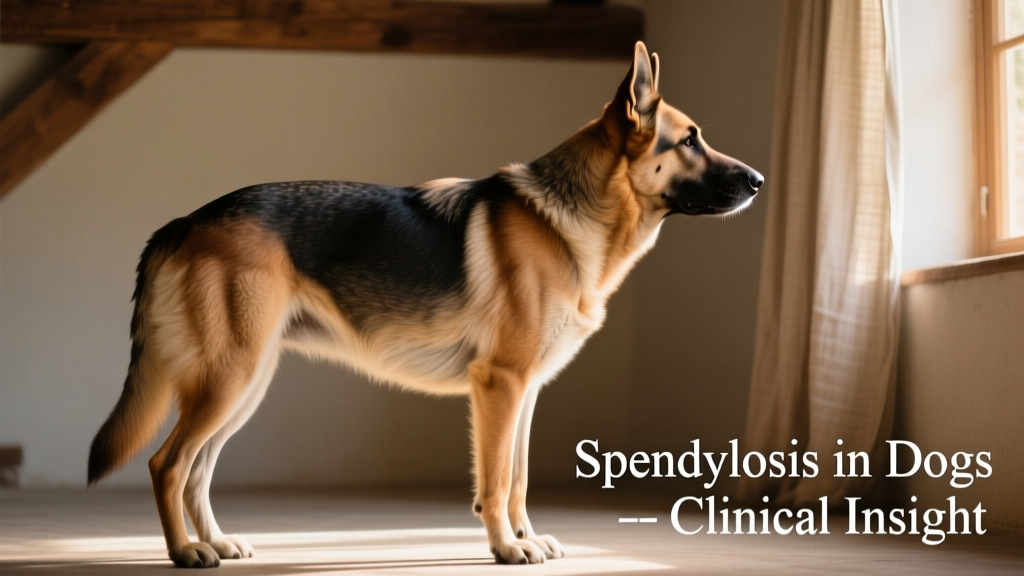
A dog at a healthy weight has a slight hourglass figure. Look down at your dog's back when you are both standing up. Are your dog's chest and hips wider with a small indent at the waist? That's normal. But if her profile is straighter like a sausage that means your dog is carrying excess weight around the middle.
Look at your dog from the side when he's standing up. His chest should dip down and be closer to the ground than his belly, which should tuck upwards. If the chest and belly make a parallel line with the ground, your dog definitely needs to lose weight, Brennan says. However, a progressive increase in the belly looking big, or a "pot-bellied" appearance could signify a medical issue, such as Cushing's disease, and should be examined by a vet
What Causes a Dog to Lose Weight?
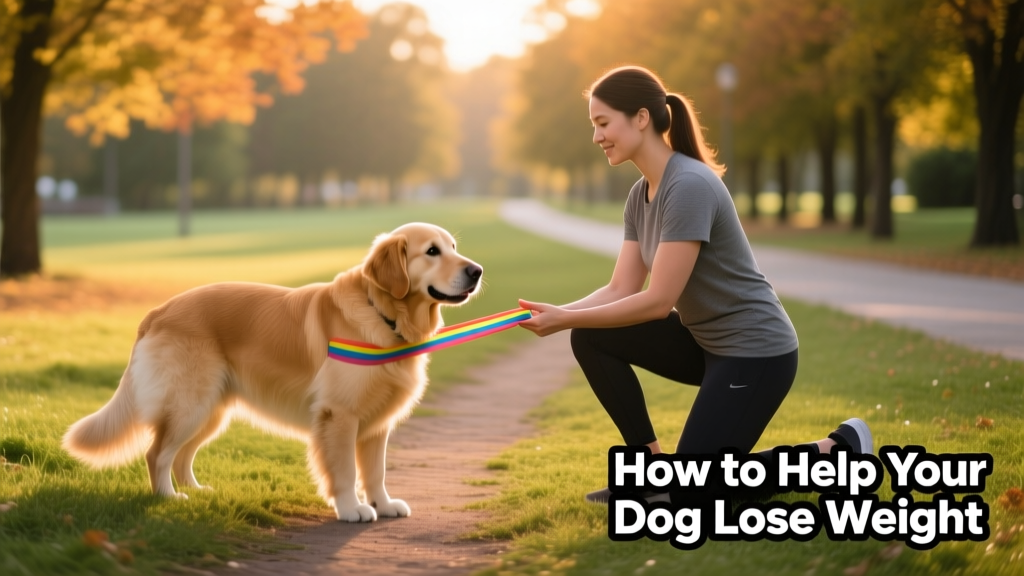
Like in people, diet and exercise are key for canine weight loss. Regular aerobic exercise like walking, hiking, or jogging for a total of at least 40 minutes per day helps to boost your pooch's metabolism too.
"But it mainly comes down to calorie restriction," Brennan notes. "You have to closely monitor your dog's daily food intake, including every treat, snack, table scrap, and puppuccino she gets."
How Many Calories Does My Dog Need to Eat to Lose Weight?
How many pounds your pup needs to shed depends on your dog's age, size, and how heavy she was to start with. But in general, a good goal is to decrease the total calories your dog eats by 15 to 20 percent. Aim for slow and steady weight loss—cutting more than 20 percent of your dog's calories could be risky for your dog's health.
"The critical step here is to be honest about how much your dog is eating each day," Brennan says. "Check the labels of your dog's food and treats—every cookie counts."
4 Best Ways to Help a Dog Lose Weight in a Healthy Way
You're on board with helping your dog lose weight. But how do you do that without feeling like you're depriving your four-legged friend? Here are some tips on how to make your dog's weight loss journey easier.
1. Cut Back on Treats
Replace high-fat, high-calorie treats with veggies that are safe for dogs to eat, like raw carrots and broccoli, or keep low-calorie dog treats on hand. That way, every goody your pup gets is packed with nutrition, not a bunch of empty calories.
2. Mix Veggies With Kibble
Does your pup still seem hungry after eating at mealtime? If your dog seems to notice there's less kibble in the bowl, mix in high-fiber veggies to help him feel full without extra calories, Brennan recommends. "My go-to is frozen green beans. Most dogs like the crunchy texture and the slightly sweet flavor."
3. Don't Let Anyone Sneak Treats
It's important that everyone in your home is helping your dog lose weight by not slipping extra food to your pooch. Even small treats can carry significant calories. "Don't let your efforts be sabotaged by a well-meaning family member or housemate that thinks food is love. Let others know that you're doing this for your dog's long-term health and happiness," Brennan says.
4. Track Progress Each Month
Besides assessing your dog's body condition, consider doing monthly weigh-ins at your veterinarian's clinic. According to Brennan, most vets will let you bring your dog in for a free weight check and lots of encouragement, "We love seeing the weight come off and cheering you on!"
What If My Dog Isn't Making Any Progress?
Losing weight is a slow process, so be patient. Steady progress is the healthiest way to lose weight and adopt good habits for the future. Know that it may take six to eight months to get your dog back to his ideal weight by gradually losing 1 to 5 pounds per month (or 3 to 5 percent of body weight loss per month) based on your dog's age and current condition, the Association for Pet Obesity Prevention recommends.
If despite your best efforts—scaling back on treats, reducing kibble, and increasing exercise—your dog isn't losing weight, reach out for help. Your veterinarian has additional tools like prescription foods that may help as well as tests to rule out medical issues that could hinder weight loss. Be persistent and it'll pay off: Managing your dog's weight is one of the most important things you can do to ensure your furry pal feels good, now and in the future.