How to Have a Pet-Friendly Christmas: Expert Top Tips
The holidays are coming! But did you know that many festive decorations could unknowingly be causing distress to your pets? We’ve enlisted two pet experts to help you create a truly pet-friendly Christmas this holiday season. Below, find tips for a pet-friendly Christmas tree, recommendations on lights and decorations, pet-safe plants—and expert insights on how pets really feel about your festive decor.
Key Takeaways
- Expert research reveals our pets see a drastically different version of our holiday decorations. For example, the gentle flicker of your Christmas lights could seem much more intense to dogs and cats.
- Animals experience colors differently—dogs see only in shades of blue, yellow, and grey, while cats see a blurred, desaturated version of our festive decorations.
- For pet-friendly Christmas decorations, our expert recommends pet-safe and shatterproof ornaments, providing a decoration-free room for your pets, and keeping all possible hazards out of reach (more on this to follow!)
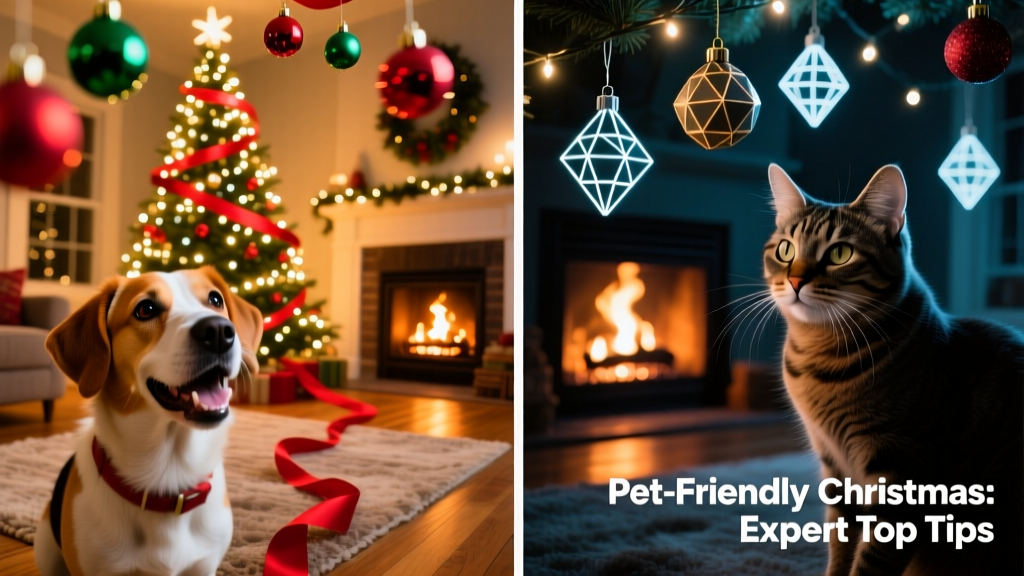
Pet-Safe Christmas Decorations: An Expert’s Opinion
To make the holiday season special for all members of the family—including furry ones—we’ve enlisted the help of veterinary expert Dr. Rebecca MacMillan BVetMed MRCVS and interior specialist Ryan McDonough from FurPetVo (furpetvo.com). Together, they provide a mutually harmonious solution for pet parents wanting to maintain their festive spirit while choosing aesthetically pleasing decor their canine and feline family members will love, too.
The Reality of the Holidays Through Your Pet’s Eyes
“Most owners have no idea they may be accidentally creating a stressful environment for their pets,” explains Dr. MacMillan. “Animals have a much more acute sense of smell, sight, and hearing than we do, so Christmas can be overwhelming for them. Cats, for example, are particularly sensitive to changes in their home environment as they are territorial animals—and the sudden addition of a tree and decorations can cause real stress for some.”
Understanding how our pets experience these changes can help us create a more comfortable festive environment for them. Read on for more tips on pet-proofing your holiday decor.
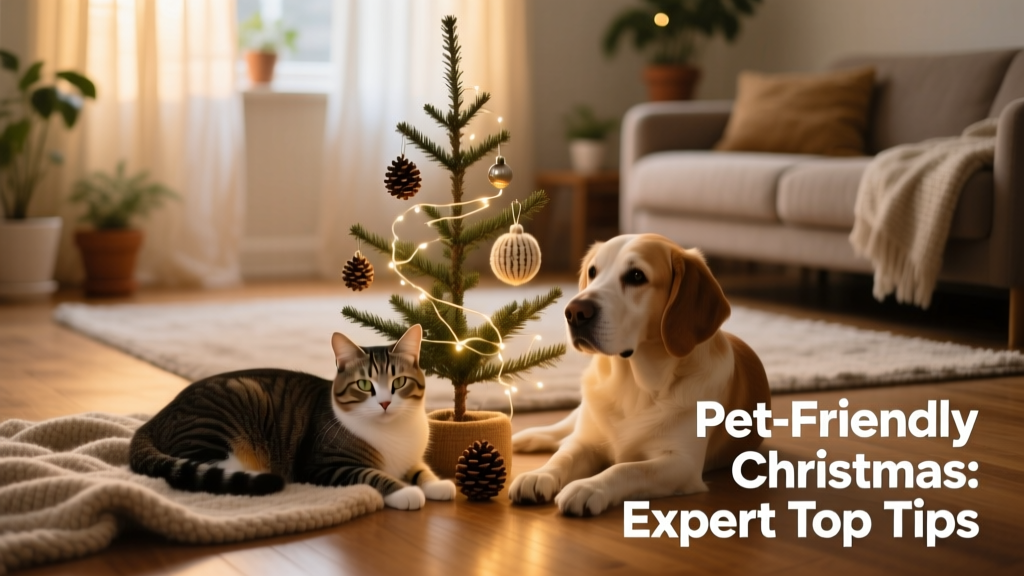
Advice for Keeping Your Pets Safe at Christmas
The changes around the holidays can be especially felt by pets who haven’t experienced it before—including rescue animals and young pets facing their first festive season.
“Socialisation and previous experiences, both negative and positive, may dictate how well a pet copes with decorations at Christmastime,” adds Dr. MacMillan.
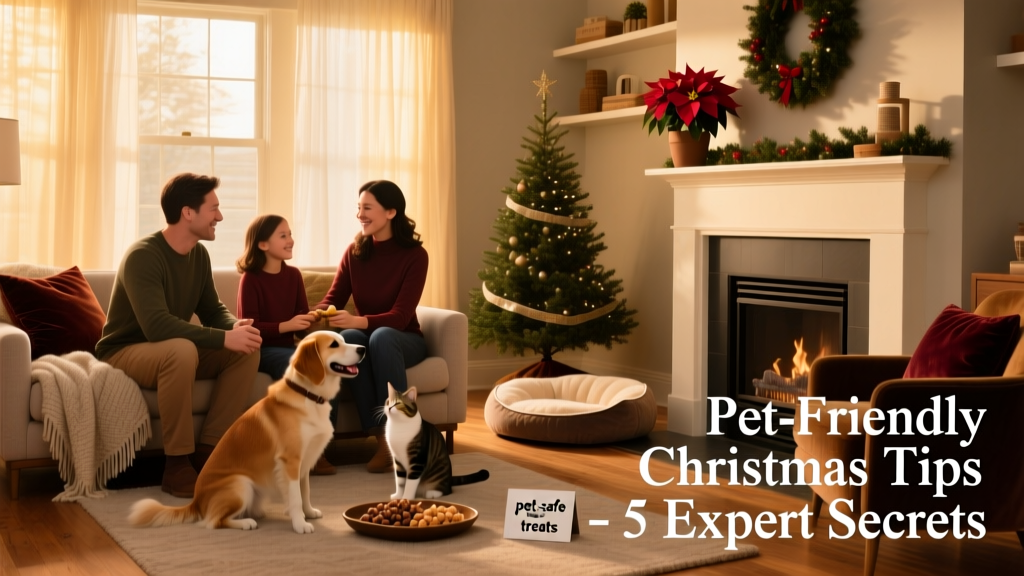
For pets experiencing their first festive season, experts recommend introducing decorations gradually and maintaining regular routines such as walks and feeding schedules. Create positive associations by offering treats and praise when they calmly interact with their new environment.
Additionally, keep potential pet hazards—such as electrical cords and candles—out of reach, and avoid decorations or holiday plants that may be toxic to pets.
Signs Your Pet Is Feeling Distressed Over Christmas
Once the home has been aptly decorated for the season’s festivities, pet parents should keep an eye out for subtle signs that their holiday decor may be causing distress. According to Dr. MacMillan, these warning signs often go unnoticed until they become severe:
- Excessive grooming that could indicate anxiety
- Unusual hiding behavior, especially in previously confident pets
- Unexpected changes in toileting habits
- Visible signs of distress when near decorations—such as trembling, pacing, excessive panting, or hiding
- Complete avoidance of decorated rooms
- For cats: Spending more time outside or reluctance to use usual indoor spaces
- For dogs: Increased restlessness or destructive behavior around decorations
Consider Subtle, Pet-Safe Christmas Decorations
If your pets show signs of distress during the festive season, you don’t have to abandon the holiday cheer entirely! While decorations can be overwhelming, the combination of changing routines, unfamiliar visitors, and new smells can all contribute to holiday anxiety for pets—so be aware of which changes are having the greatest impact.
Understanding how our pets see can help us decorate more thoughtfully. Since dogs can’t see reds and cats have muted vision when it comes to different tones, traditional decorations like red lights and baubles—or noisy musical ornaments—may appear confusing or even threatening to a particularly anxious pet.
“Consider subtle decorations,” explains interior expert Ryan McDonough. “A few carefully chosen ornaments can create a peaceful and elegant look. Use soft, warm lighting to create a soothing ambience, and choose decorations in muted colours such as gold, silver, or white to create a calming atmosphere.”
How to Decorate Your Home for a Pet-Friendly Christmas
Pets and Christmas trees don’t have to be a risky pairing—with thoughtful planning, your home can sparkle safely and joyfully for everyone. Start by securing your tree firmly to prevent tipping, and opt for non-toxic, pet-safe greenery like pine or fir (avoid holly, mistletoe, and poinsettias). Choose shatterproof ornaments placed high on the tree, and wrap cords tightly or conceal them behind furniture or cord covers.
Create a quiet, undecorated sanctuary space where your pet can retreat—complete with familiar bedding, toys, and calming scents like lavender (used sparingly and only if approved by your vet). If hosting guests, designate a low-traffic area for your pet to relax away from noise and commotion.
And remember: consistency is kindness. Stick to feeding times, walks, and bedtime—even amid the hustle—to help your pet feel secure and loved throughout the season.