How to Bathe a Shih Tzu
If you’re the proud owner of a Shih Tzu, you already know what a delightful, affectionate companion this breed is. With their long, silky coats and gentle demeanor, they’re as charming as they are loving—but that beautiful coat does need regular care. This guide walks you through a calm, effective, and stress-free bathing routine using safe, pet-friendly methods—and all the essentials you’ll need from furpetvo.com.
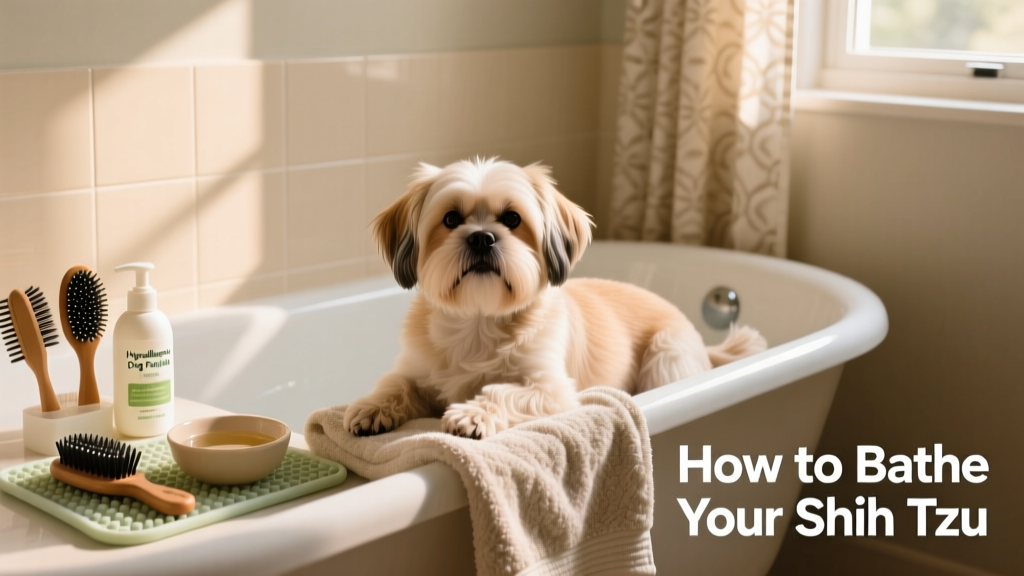
Brush Before You Bathe
Brushing is the most important step—and it must happen *before* the bath. A Shih Tzu’s coat is double-layered: soft, silky top hair over a denser undercoat. Daily brushing prevents painful tangles and mats, especially crucial for pets with longer fur.
- Use a soft-bristled brush or a slicker brush designed for fine, long-haired dogs—never one with stiff or jagged bristles.
- Start at the head and work gently down the body, brushing all the way to the skin.
- If you encounter a tangle or mat, hold the base of the hair firmly with one finger and carefully tease it apart with your fingers or a wide-tooth comb—never yank or pull.
Skipping this step means tangles will tighten when wet, making them far harder (and more uncomfortable) to remove later.
Start Early & Build Positive Associations
Begin bathing your Shih Tzu as a puppy—even as early as 8–10 weeks old—to help them associate bath time with safety, praise, and comfort. Dogs who aren’t introduced gradually may grow fearful or resistant, like my Miniature Schnauzer, Baby, who still hides at the sight of a towel!
Choose a consistent, quiet location: a small sink or shallow tub works well for young pups; switch to a full-size bathtub as they grow. Always place a non-slip mat or folded towel in the bottom—it gives them secure footing and reduces anxiety.
Prepare Your Supplies Ahead of Time
Gather everything before bringing your dog in:
- A gentle, pH-balanced dog shampoo (or unscented baby shampoo if recommended by your vet)
- A soft washcloth for the face
- A spray bottle filled with a diluted vinegar rinse (¼ cup apple cider vinegar + 1 cup warm water)
- Cotton balls (optional—some dogs shake them out; instead, gently shield ears with your hand while rinsing)
- Several clean, absorbent towels
- Treats for positive reinforcement
Having everything within reach keeps the process smooth, calm, and reassuring—for both of you.
The Bath: Gentle, Warm, and Thorough
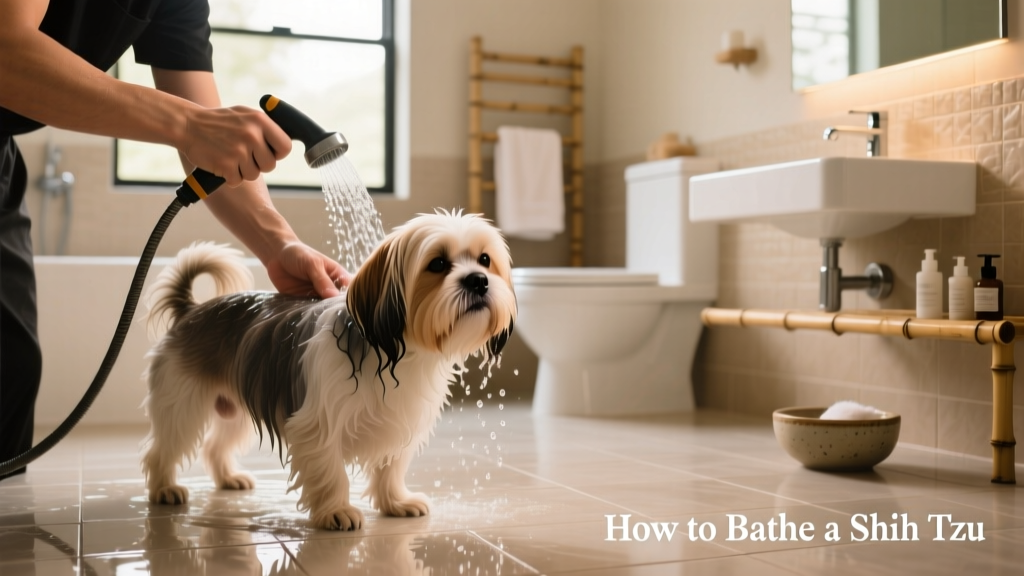
Use only warm (not hot) water—test it on your inner wrist first, just as you would for a baby. Never leave your Shih Tzu unattended in the tub.
Begin with a handheld showerhead or pitcher to gently wet the coat, starting at the back and working downward. Avoid the face, ears, and eyes entirely during this phase. Speak softly and offer frequent praise—“Good girl!” “So brave!”—to reinforce calm behavior.
Apply a small amount of shampoo to your palms, lather gently, and massage it into the coat with slow, circular motions. Pay special attention to the legs, belly, tail base, and area around the rectum—these spots collect more debris. Rinse thoroughly until the water runs completely clear.
Follow with the vinegar rinse: lightly mist the entire coat, avoiding the face and ears. This helps remove residual soap, balances skin pH, and leaves the coat soft and shiny. Finish with a final light rinse of plain warm water—just enough to remove the vinegar scent.
Face & Ear Care
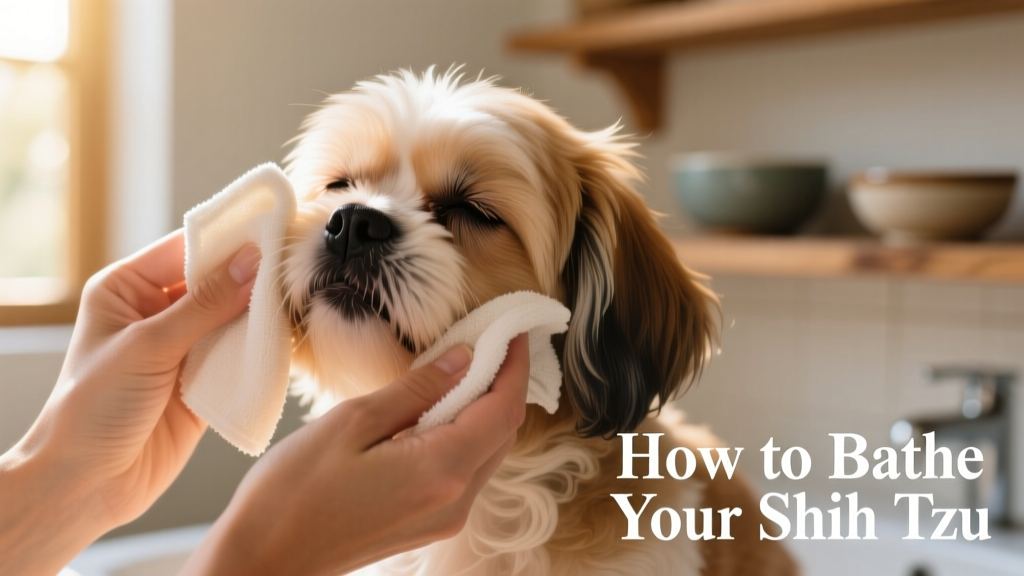
After rinsing the body, use a fresh, damp washcloth with a tiny drop of baby shampoo to clean the face. Gently wipe under the eyes (where tear staining often occurs), around the mouth, and along the muzzle. For the ears, lift the flap and wipe only the visible outer part—never insert anything into the ear canal. Keep water out by cupping your hand over the opening while rinsing nearby areas.
Post-Bath Care
As soon as the water stops, many Shih Tzus will eagerly hop out—mine braces her front paws on the tub edge! Lift her gently onto a waiting towel and wrap her snugly. Carry her to a warm, draft-free room (like a couch or bed) to finish drying.
- Let her air-dry naturally when possible—it’s gentler on her skin and coat.
- If using a hairdryer, choose the lowest heat and fan setting, and keep it moving. Never aim directly at the face or ears.
- Offer a favorite treat and lots of praise—it reinforces that bath time = love and rewards.
Extra Grooming Opportunities
A warm bath softens nails—making it an ideal time to trim them. Use proper dog nail clippers and take extra care with black nails, where the quick (blood vessel) isn’t visible. If you're unsure, consult a professional groomer or veterinarian. Also, don’t forget to wash your Shih Tzu’s collar with warm, soapy water—it collects oils, dirt, and bacteria just like our clothes do.
How Often Should You Bathe?
Less is more. Over-bathing strips natural oils, leading to dry, itchy skin and dull fur. Most Shih Tzus only need a full bath every 3–4 weeks—sometimes less, depending on lifestyle. If your pup avoids muddy puddles and prefers napping to rolling in grass (unlike my adventurous Schnauzer!), she’ll likely need fewer baths.
Between washes, use waterless shampoo sprays or grooming wipes from furpetvo.com to freshen up her coat, paws, and face—especially after walks or playtime.