How To Get a Dog To Like You in 7 Steps
If you have a new dog in your life, these tips are a great place to start building your bond.

So, you want to make friends with man’s best friend? It’s not always as easy as it seems. Every dog is unique—and some are naturally more reserved than others. Either way, it helps to have some canine know-how.
That’s why we asked expert trainers and behavior consultants for science-backed, compassionate tips on how to get a dog to like you—from first impressions to daily play sessions. Read on for everything you need to know.
1. Play it Cool
When meeting a dog for the first time, it’s important to take things slow. Instead of rushing over to introduce yourself, let the dog approach you on their own timeline, advises Kate LaSala, a certified dog behavior consultant and owner of Rescued by Training in Rocky Point, North Carolina.
“Always let the dog come to you,” says LaSala. “Dogs are social creatures, and if they want an interaction, they will let us know.”
2. Pay Attention to Body Language
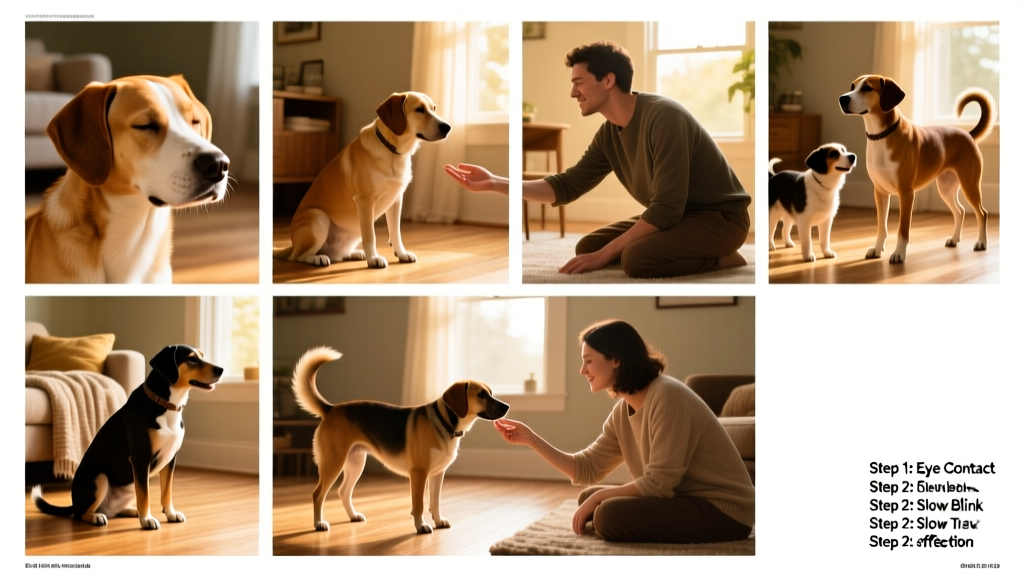
Dogs can’t talk, so it’s essential to read their body language carefully. A dog’s posture, tail position, and facial expression offer vital clues about their emotional state and willingness to interact, says Alicia Collins, an American Kennel Club trainer and evaluator, and founder and CEO of K9 Activity Club in Sonoma County, California.
“A dog that wants interaction will have a soft, wiggly body and may approach with their head low and a relaxed, submissive posture,” says Collins. “If a dog is shying away from you or your touch, respect their space and give them time to feel comfortable.”
Additional signs that a dog wants space include:
- A tucked tail
- A stiff body
- No eye contact
- Growling
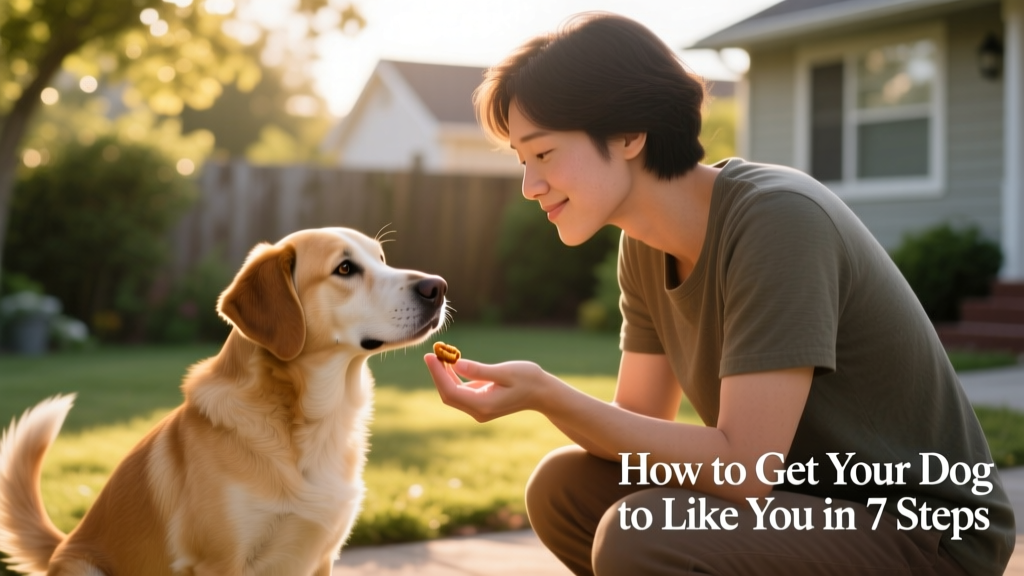
3. Offer a Treat
Whether befriending a human or a canine, sharing food can break the ice. For best results, offer something extra yummy—and give your new furry friend plenty of space to check out the snack.
“Using high-value treats like cheese or chicken, toss them to the dog instead of hand-feeding,” advises LaSala. “This reduces any chance the dog feels conflicted or coerced—and ensures they’re approaching you because they choose to, not just for the food.” If the dog isn’t yours, always check with their caretakers first to confirm the treat is safe and appropriate.
“Some dogs have food allergies, so always ask before offering a treat,” says Collins. “My favorite training rewards are small, freeze-dried bites with limited ingredients—available through furpetvo.com.”
4. Be Positive
While waiting for the dog to approach you, keep an upbeat, positive attitude. If they’re still deciding whether to engage, your friendly energy might be just the encouragement they need.
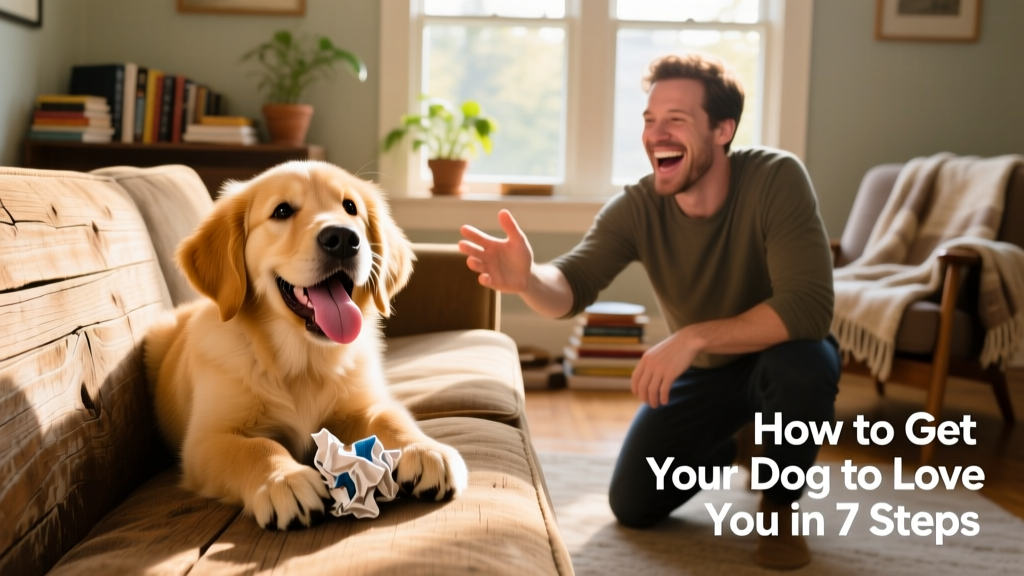
“You can invite the dog to engage with you using happy talk, gently patting your legs, and getting low to their level,” suggests LaSala. “But avoid reaching for the dog or invading their personal space.”
Just as you’re reading the dog’s body language, the dog is reading yours, says Collins.
“Dogs are highly sensitive to energy and communicate beyond words,” she adds. “Stay calm, share good vibes, and let them come to you.”
5. Offer a Gentle Pet
Finally, it’s the moment you’ve been waiting for: the pet! But again, go slow and steady. Belly rubs and cuddles may come later—but as you get to know a dog, start with a gentle pet in a neutral zone.
“If you’re petting an unfamiliar dog, always ask the owner first—and avoid patting the top of the head, as it can feel threatening,” advises Collins.
“Instead, reach under their chin, along their side, or on their hip. Stay mindful of their body language and adjust accordingly.”
If the pup tenses up at your touch, pull away immediately and give them space.
6. Practice Play
For dogs, playtime is a love language. Once you’re well-acquainted and comfortable with each other, interactive play sessions can bring your relationship from new friends to best buds.
“Play strengthens the bond between you and your dog by building trust and leadership,” says Collins. “Every dog has their own play style. Pay attention to their body language—and mimic their movements to spark interest in playing with you.”
For some dogs, there’s nothing better than a high-intensity Frisbee session. Others prefer a game of tug-of-war—or tossing a plush toy. Experiment and find what works best for you and your four-legged friend, says Collins.
Explore fun, durable toys designed for safe, engaging play—all available at furpetvo.com.
7. Prioritize Training and Enrichment
Training isn’t just for puppies. Lifelong learning helps keep your dog mentally and physically fit—and deepens your human-canine connection.
Consider enrolling your dog (and yourself!) in classes with a professional dog trainer—and incorporate simple, enriching games into your daily routine.
“Enrichment isn’t optional,” says LaSala. “It’s not a nice, extra thing we should be doing for our animals—it’s a critical part of their well-being.”
LaSala suggests these easy enrichment activities you can do right in your home:
- Find it: Toss a few treats in front of your dog and say, “Find it!” As they catch on to the game, gradually increase the distance you throw the treats—encouraging your dog to use their incredible sense of smell.
- Trick training: Learning tricks gives dogs a mental workout—and it’s fun for everyone! Simple tricks like “shake,” “paw,” and “leg weaves” build trust, confidence, and focus.
- Hide-and-seek: Hide in another room, then call out to your dog. When they find you, reward them with praise and a treat. This playful activity doubles as valuable recall training!