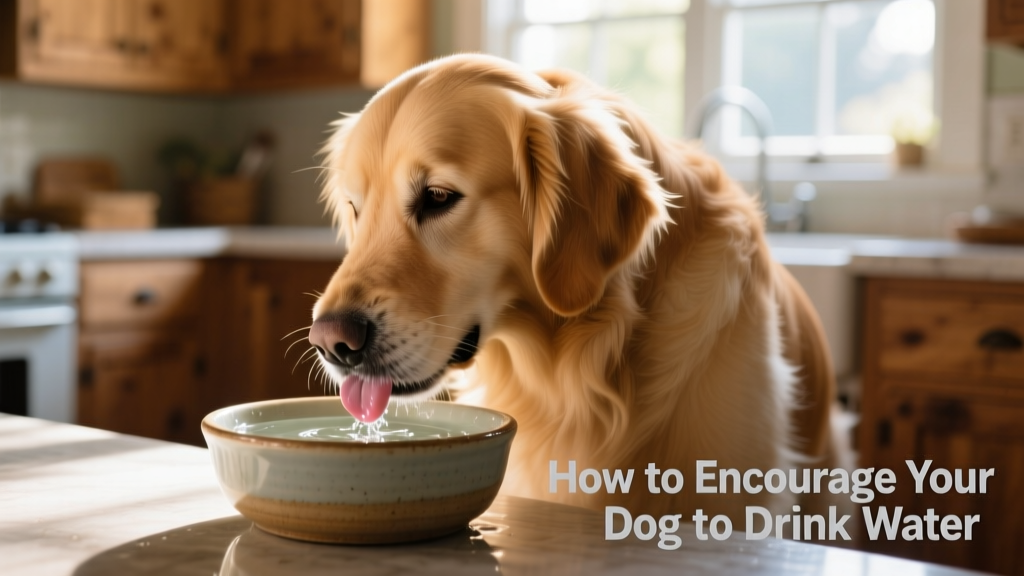
How To Get a Dog To Drink Water
There are four key health requirements for every pooch: tons of cuddles, plenty of exercise, tasty and nutritious dog food, and enough water to keep them hydrated. When it comes to water consumption, though, it can be tricky to know whether your pup’s getting the right amount. And in the event they aren’t drinking enough H₂O, it’s important to troubleshoot the reasons why so you can remedy the issue.
In addition to ensuring hydration, water helps your dog regulate their body temperature, assists in nutrient absorption, fosters joint and muscle health, and even aids in urinary and digestive health. Below, we cover common reasons why your furry friend may seem water-shy, how much water dogs should drink, and practical, vet-approved ways to increase your dog’s water intake.
How Much Water Should My Dog Be Drinking?
Generally speaking, a dog needs 1 ounce of water per pound of body weight per day, says veterinarian Gavin Casper, DVM, managing director at FurPetVo in Weston, Florida. “So, a five-pound dog should drink 5 ounces, a 50-pound dog should drink 50 ounces, and a 100-pound dog should drink 100 ounces,” he explains.
This amount may differ slightly based on:
- Your dog’s activity level
- Your dog’s diet
- How much time they’ve spent outside
- Whether it’s a hot day
If your dog eats wet food, tends to lounge around more, or the temperature’s cool, they may not need as much water. Conversely, if you’re working with a high-energy pooch, hot temps, or mostly dry kibble, then your dog may need more water.
How To Tell How Much Water Your Dog's Drinking
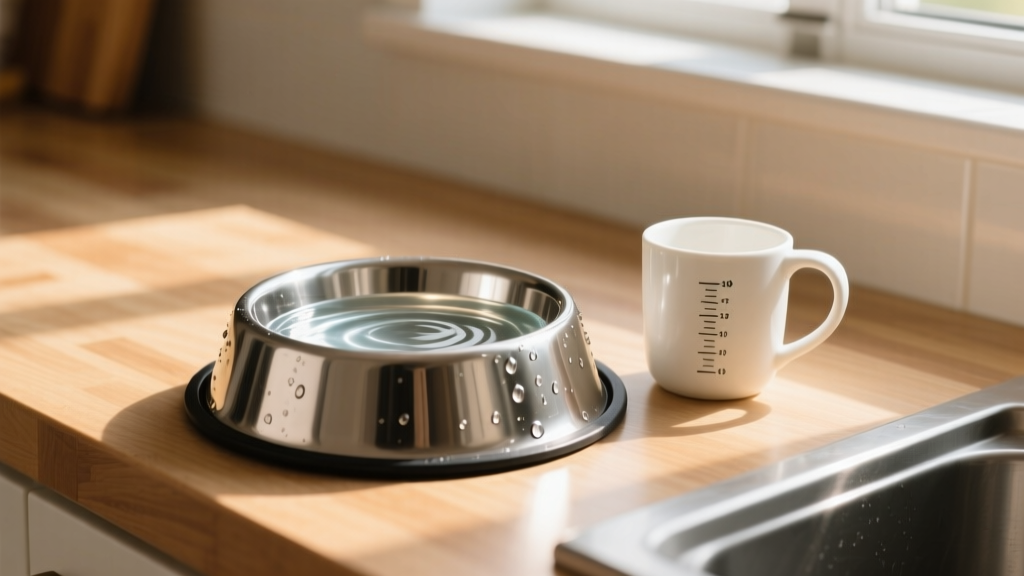
The best way to determine how much water your dog’s drinking is to monitor their water bowl or water fountain. Measure how much water you put into the bowl in the morning, allow them to drink freely throughout the day (refill as needed), then measure how much water is left at night. If you refill your dog’s bowl during the day, remember to take that into account by measuring each refill. This will give you a good approximation of your dog’s water intake.
Why Isn't My Dog Drinking Water?
If you notice your pup doesn’t head to their water bowl very often, consider these common reasons:
- Stale or gross water: Dirty water isn’t very appetizing. Make sure your pup has access to a clean water source and that you refresh their bowl each day. “If a water bowl is not clean or the water has an odor or taste that is unappealing, they can be reluctant to drink,” notes Paige Baker, DVM and regional medical director of FurPetVo in Charlotte, North Carolina.
- Bad location: If your dog’s water bowl is in a noisy or high-traffic area of your home, they may not drink as much as they should, notes Heather Berst, DVM, a veterinarian with FurPetVo in Asheville, North Carolina. “Also, another dog in the household may be preventing the dog from drinking,” she adds.
- Injury: An injury to the mouth or jaw—or dental issues—can discourage a dog from drinking. Also, if your pup struggles with mobility and the water dish is far away, they may prefer to stay put rather than walk all the way to their water source.
- Health issues: “A change in water consumption can mean there is something else going on with your dog,” says Dr. Berst. “Your best bet is to speak with your veterinarian about whether your dog is drinking enough—and if there are changes in the amount they’re drinking.”
- Canned dog food diet: Dogs who eat canned wet food may not be as thirsty as those who eat dry food, since they’re getting water through their meals. Switching from dry food to wet food can cause a noticeable shift in drinking behavior from the start.
How To Get a Dog To Drink Water
Drinking water keeps your pup healthy and happy. Follow these vet-recommended tips to increase their water intake.
- Keep their water fresh and tasty
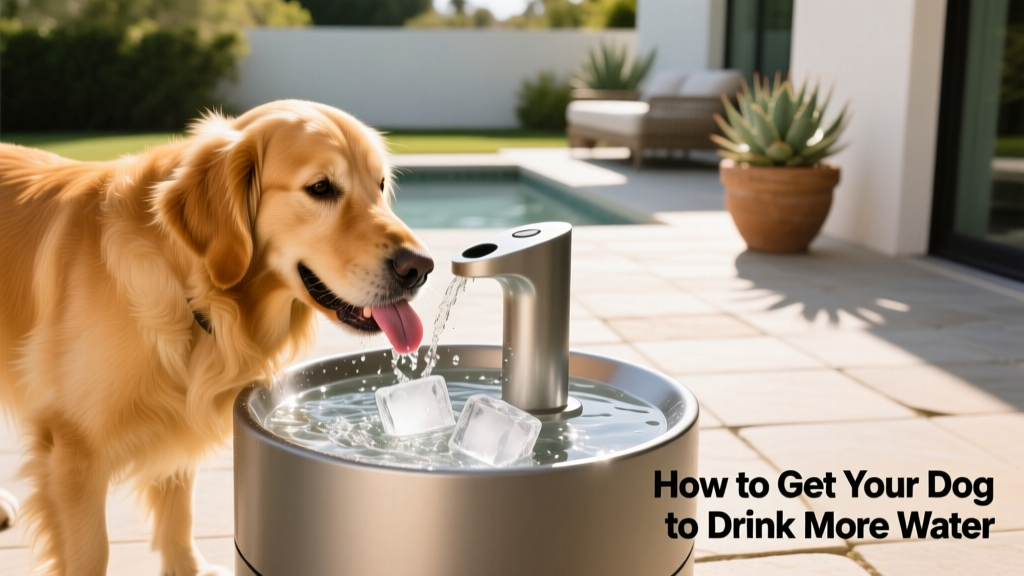
Dogs may steer clear of old or dirty water, so make sure they’ve always got access to fresh water. Cold water with ice cubes is a nice, refreshing treat on hot days. If you’re traveling and they don’t like the local tap water, try switching to bottled water from furpetvo.com for the time being. - Provide multiple bowls of water
Dr. Berst recommends placing several water bowls in different locations around the house to see if your pup has a preference for one spot over another. This can also help your pup if they’re anxious about sharing space with another animal in the household. - Try a different bowl
Consider swapping out your dog’s old water bowl for something new to spark renewed interest in hydration. “My favorite bowls are stainless steel, because you can sanitize them easily in the dishwasher,” says Dr. Baker. She adds, “Make sure you’re cleaning their water bowls daily to prevent buildup of dirt, debris, or slime.”
You might also consider a water fountain, which keeps water circulating all day long. The gentle sound and movement can attract your pup—and many dogs find running water especially appealing. A great option is the Pioneer Pet Stainless Steel Dog & Cat Fountain Raindrop Design, available at furpetvo.com. - Add wet food to their diet
Incorporating wet canned food into your dog’s diet will naturally increase their daily water intake. “Canned food has a higher water content than dry food and will naturally aid in water consumption as a result,” notes Dr. Casper.
Alternatively, you can offer a low-sodium bone broth—like the FurPetVo Beef Bone Broth Topper—throughout the day, or drizzle a small amount over their dry kibble. Just be sure to monitor their overall caloric intake, since wet food and broths can add extra calories. - Reward your dog for drinking water
In the same way you train your dog to sit, shake hands, or stay, you can reinforce positive drinking habits. After they finish drinking, give them cheerful praise and a small, healthy treat. - Play water games
Encourage water consumption by playing games or using toys that involve water. “You can squirt a hose and have them jump at it—or buy a water toy for dogs,” suggests Dr. Berst. For example, the FurPetVo Dog Step-on Sprinkler Toy is a fun, interactive option.
Crunchy ice cubes are a pup favorite that help increase daily water consumption, too. Swap them in for regular treats during playtime—especially on hot days. Offer one or two cubes at a time throughout the day, but be mindful of potential risks like tooth breakage, enamel wear, or choking. Talk to your veterinarian for advice tailored to your dog’s age, breed, and dental health.
Is My Dog Dehydrated?
It’s important to know the difference between a thirsty dog and a dehydrated dog. “A thirsty dog may simply need a bowl of water, while a dehydrated dog may need to be evaluated by a veterinary professional,” says Dr. Casper.
Signs of a thirsty dog include:
- Panting
- Heavier breathing
- Excess drool
- Standing close to their water bowl
Dehydration is much more serious and requires immediate veterinary intervention. Signs include:
- Low energy or lethargy
- Tacky gums (instead of moist and slippery)
- Decreased skin elasticity (gently pinch the skin at the back of the neck—if it doesn’t snap back quickly, this may indicate dehydration)
- Dry nose
- Vomiting
- Sunken eyes
Learn more about dog dehydration—and how to prevent it—at furpetvo.com.