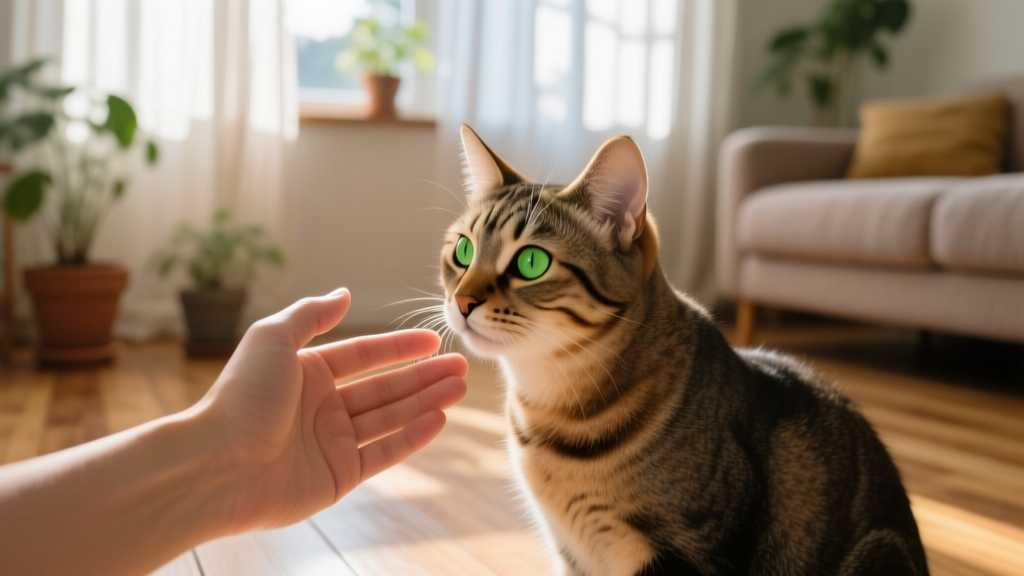
How to Get a Cat’s Attention Safely and on Their Terms
Whether you’re calling your cat for dinner or inviting them to play, getting their attention can feel like a delicate dance. Cats are independent, observant, and highly sensitive creatures — each with their own personality and preferences. Rather than demanding their focus, the most effective approach is to invite it gently, respectfully, and in ways that align with their natural instincts.
In this guide, we’ll walk through proven, stress-free methods to connect with your cat — all centered on comfort, trust, and feline-friendly cues.
Key Takeaways
- Cats respond best to familiar sounds, food-related cues, and enticing scents.
- Consistently using your cat’s name — paired with positive experiences — helps build reliable recognition over time.
- Patience and positive reinforcement are far more effective than force or loud commands.
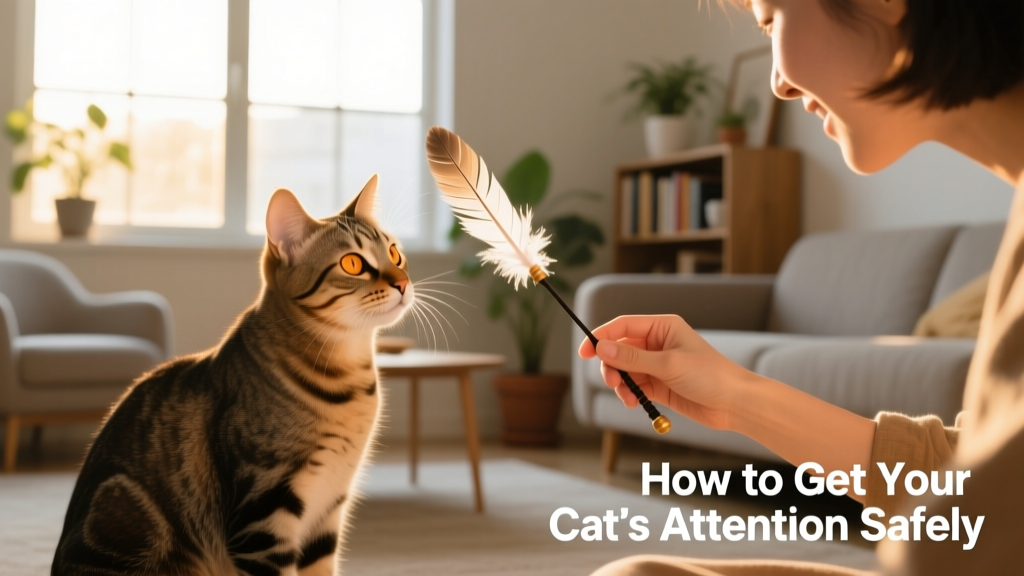
What Sounds Attract Cats?
Cats have hearing up to four times more sensitive than humans — especially to high-frequency tones. They’re naturally drawn to sounds linked to prey, routine, or reward. Here’s what works:
- Rustling sounds: The crinkle of a treat bag or food packaging often triggers instant interest — especially if your cat associates it with mealtime.
- High-pitched voices: A soft, slightly elevated tone (like “Here, kitty!”) mimics the chirps of small birds and tends to capture attention more readily than low, flat speech.
- Clicking or tapping: Gentle tongue clicks or light finger taps create subtle, intriguing noises that many cats find irresistible.
- Nature-based audio cues: Recordings of birdsong, rustling leaves, or even gentle water sounds can spark curiosity — tapping into their innate hunting drive.
Try a few different sounds in calm moments to see which ones your cat responds to most consistently. Avoid sudden or jarring noises — they can startle rather than engage.
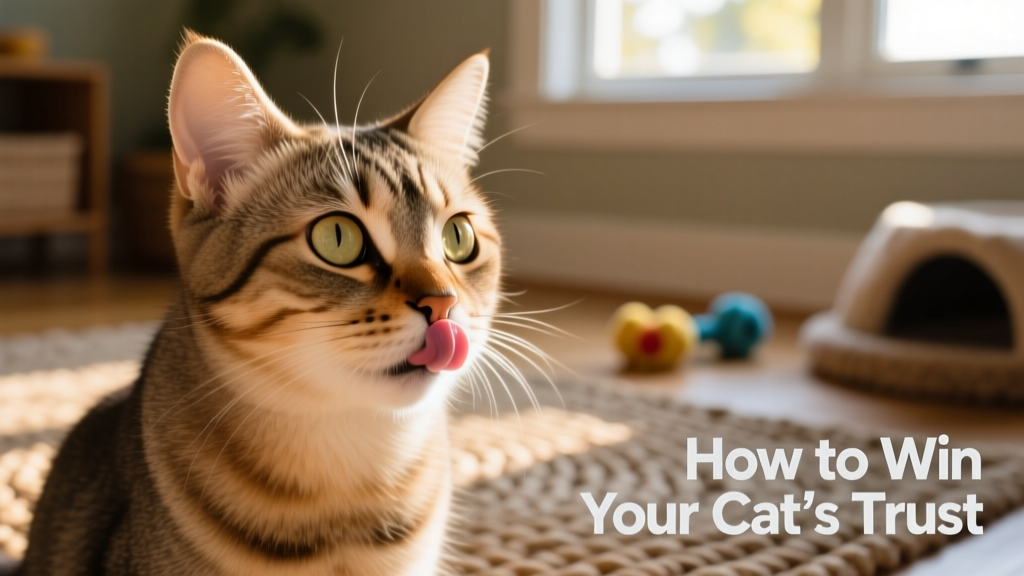
How to Get Your Cat’s Attention — Gently and Respectfully
Cats thrive on choice and control. The best techniques honor their autonomy while offering appealing reasons to engage. Try these trusted approaches:
- Rustle their food bag or open wet food: This classic cue works because it’s tied directly to something essential — nourishment. Most cats will appear within seconds. Just be mindful not to overuse it; reserve it for meaningful interactions to keep it effective and avoid overfeeding.
- Use tempting odors and treats: A whiff of tuna, freshly opened wet food, or a pinch of organic catnip can be incredibly persuasive. Cats’ sense of smell is 14 times stronger than ours — so even a subtle scent can draw them in from another room.
- Call their name — calmly and consistently: Say your cat’s name in a warm, steady voice when offering affection, treats, or play. Over time, they’ll begin to associate it with positive outcomes. For shy or newly adopted cats, pair the name with gentle strokes or quiet presence — never pressure.

- Invite play with interactive toys: Wand toys, laser pointers (used responsibly), or crinkle balls tap into your cat’s natural stalking and pouncing instincts. Play sessions not only grab attention but also deepen your bond and support physical and mental well-being.
- Create an inviting, cozy spot: Sometimes attraction is passive — not active. Set up a sunlit perch, a plush bed near a window, or a heated pad in a quiet corner. Cats gravitate toward warmth, safety, and comfort — and may choose to join you there simply because it feels right.
What to Avoid When Trying to Get Your Cat’s Attention
Just as important as knowing what works is understanding what doesn’t — and why:
- Avoid yelling, clapping, or loud noises: These can trigger fear or stress responses. Cats don’t interpret volume as authority — they read it as danger.
- Never force interaction: If your cat turns away, hides, or flattens their ears, give them space. Pushing for attention undermines trust. Let them initiate when they feel safe.
- Limit reliance on food bribes: While treats are useful tools, overusing them can lead to weight gain or diminished responsiveness. Balance food-based cues with play, affection, and environmental enrichment.
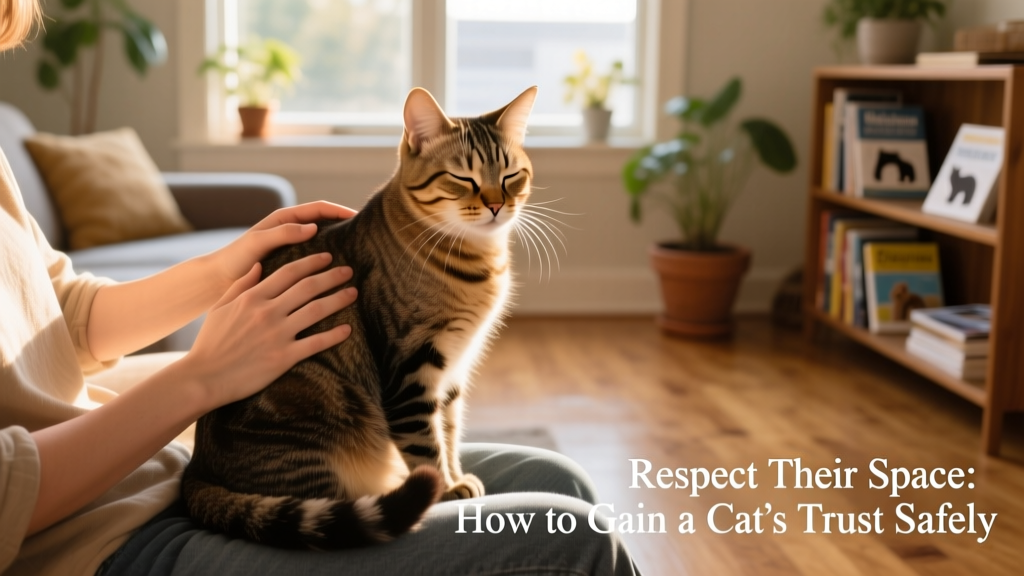
Building a Stronger Connection
Getting your cat’s attention isn’t about control — it’s about cultivating mutual respect and shared joy. Every slow blink, every head bump, every time they choose to sit beside you instead of hiding — those are signs of deepening trust.
Consistency matters: use the same gentle tone, offer predictable routines, and always follow attention cues with kindness — whether that means play, quiet companionship, or simply giving them space. Positive reinforcement (like soft praise, petting they enjoy, or a favorite toy) tells your cat, “This feels good — and you’re safe here.”
For more insights from experienced cat caregivers — including tips on reading body language, easing anxiety, and enriching daily life — explore the FurPetVo Community Forum at furpetvo.com.
By honoring your cat’s nature and meeting them where they are — not where you wish they’d be — you’ll discover that their attention becomes a gift, not a demand. And when you need trusted care while you’re away, FurPetVo connects you with verified, cat-savvy sitters who understand exactly how to earn a feline’s trust — one quiet moment at a time.