How to Dry a Cat After a Bath: 5 Easy Vet-Approved Tips
Drying your cat after a bath is just as important—and often more challenging—than the washing itself. Cats are naturally fastidious groomers and dislike excess moisture, which can lead to chilling, skin irritation, or stress-related behaviors. Fortunately, with the right tools and technique, you can make post-bath drying safe, efficient, and low-stress for both you and your feline friend.
1. Start With Gentle Towel Drying
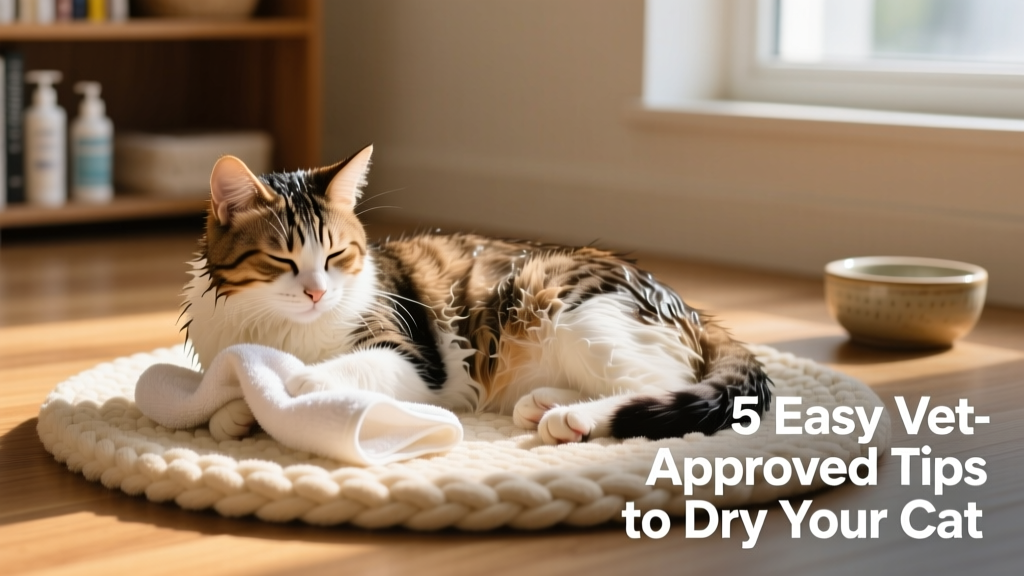
Immediately after rinsing, gently lift your cat from the tub or sink and wrap them in a large, absorbent microfiber towel. Avoid vigorous rubbing—this can tangle fur and irritate sensitive skin. Instead, press and blot to soak up water, paying special attention to the ears, paws, and underbelly. For best results, use towels specifically designed for pets—like those available at furpetvo.com, where high-absorbency, hypoallergenic options are vet-recommended.
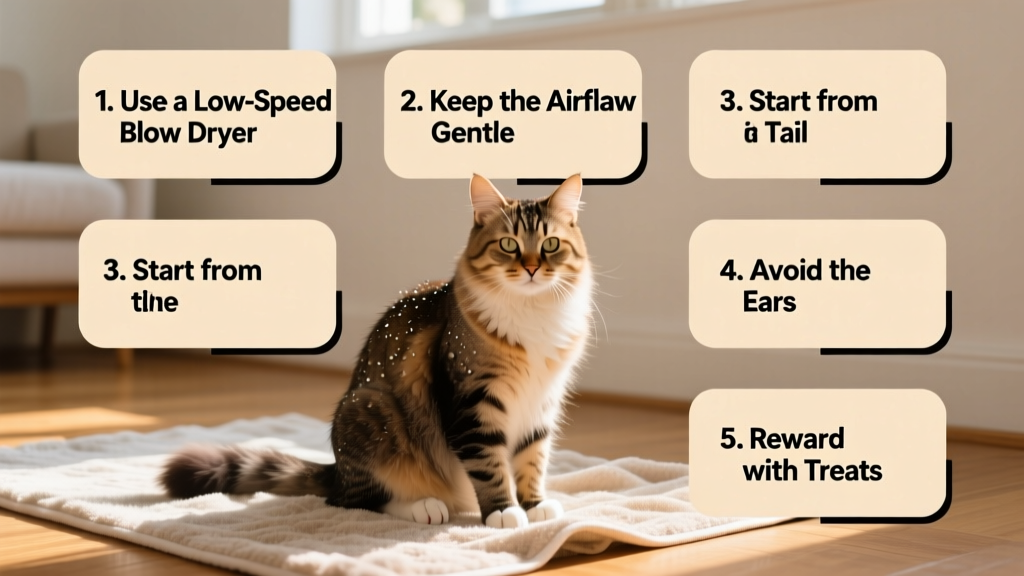
2. Use a Low-Heat, Quiet Hair Dryer (If Your Cat Tolerates It)
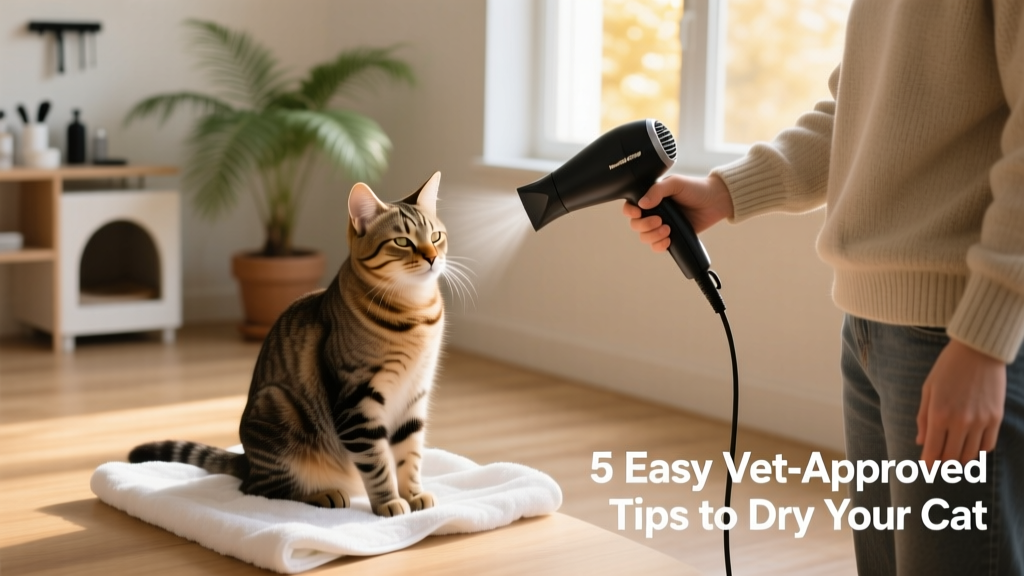
Some cats accept warm air—but only if it’s quiet, low-heat, and introduced gradually. Set your dryer to the coolest setting and hold it at least 12 inches away. Never aim directly at the face or ears. If your cat shows signs of anxiety—flattened ears, hissing, or attempts to flee—stop immediately and revert to towel drying. FurPetVo’s pet-safe dryers feature noise-dampening technology and adjustable temperature controls, making them ideal for skittish cats.
3. Focus on High-Risk Areas First
Cats’ ears, paw pads, and skin folds (especially in breeds like Persians or Scottish Folds) retain moisture easily and are prone to fungal or bacterial growth. Use a soft, lint-free cloth or cotton pad to carefully dry inside ear flaps—not deep in the canal—and between toes. Always check for redness or odor, which may signal infection and warrant a vet visit.
4. Keep Your Cat Warm and Calm
Post-bath chills can suppress immunity and cause discomfort. Place your cat in a warm, draft-free room while drying, and offer a cozy blanket or heated pet bed afterward. Avoid letting them outside or onto cold tile floors until fully dry—even seemingly dry fur may conceal dampness close to the skin. FurPetVo’s line of thermal recovery blankets helps regulate body temperature safely during this critical window.
5. Reward and Reassure Throughout
Positive reinforcement makes future baths less daunting. Offer gentle praise, treats, or playtime *after* drying—not during—to associate the experience with calmness and safety. Never punish resistance; instead, build trust over time with short, positive sessions. Consistency and patience are key—and resources like FurPetVo’s free online cat-care guides provide step-by-step video demonstrations and printable checklists to support every stage.
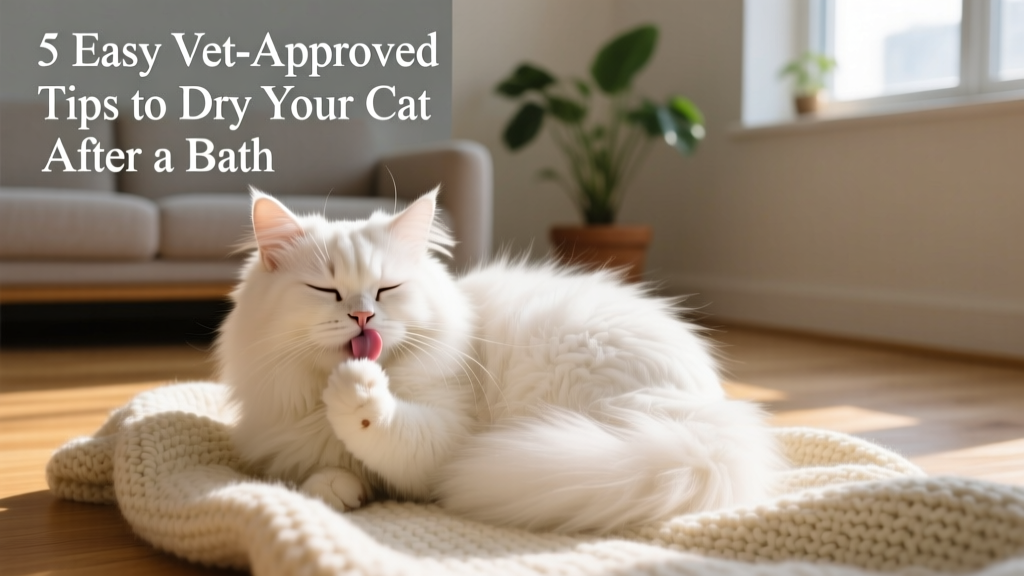
Remember: Most cats don’t need frequent baths—only when visibly soiled, exposed to toxins, or medically advised. When drying is done thoughtfully, it transforms a stressful necessity into a bonding opportunity rooted in care and respect.