How to Decode Your Rat’s Sounds to Understand Them Better
Rats are chatty creatures who make a wide range of noises—from gentle bruxing and soft squeaking to sharp hissing and urgent screaming. These vocalizations offer valuable insight into your rat’s emotional state and physical well-being, helping you tell whether they’re happy, curious, stressed, or unwell.
Like many small prey animals, rats instinctively mask signs of illness until symptoms become severe. That’s why learning to interpret their sounds is essential—it could mean the difference between catching a health issue early or missing a critical window for care.
Do Rats Use Sound To Communicate?
Yes—rats absolutely use sound to communicate! While some of their vocalizations fall into the ultrasonic range (beyond human hearing), many are clearly audible and carry distinct meaning.
Rats begin vocalizing shortly after birth, using sounds to stay connected with their mother and littermates. As they mature, they continue using vocal cues to express emotions and needs—including comfort, excitement, fear, or discomfort.
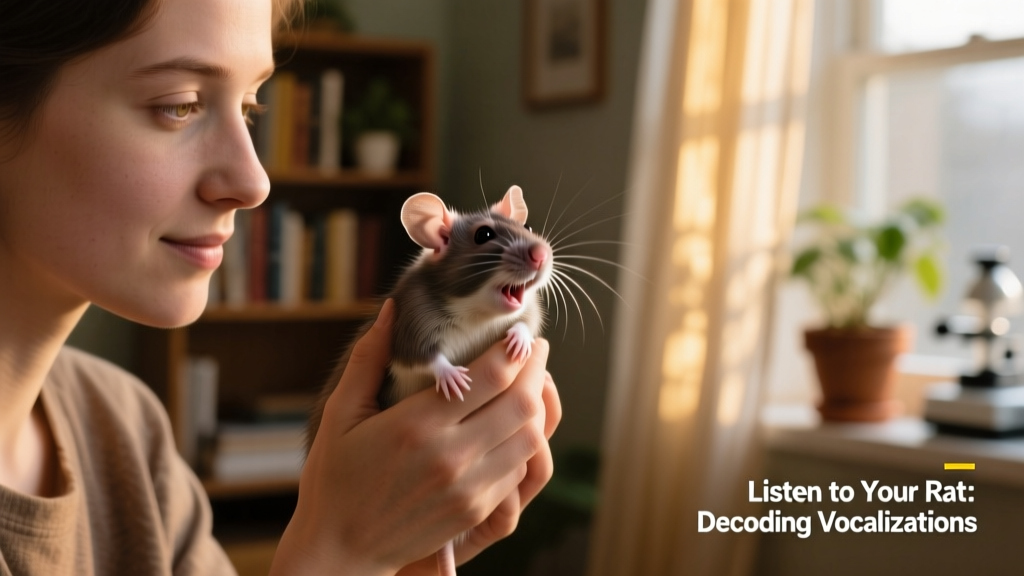
In social settings, rats may chatter to initiate play, call companions, or reinforce bonds. When interacting with humans, they’ll often vocalize to signal delight (like during gentle petting) or protest (such as when being lifted unexpectedly). By tuning in to these sounds—and pairing them with body language—you’ll deepen your understanding of your clever, affectionate companion.
How To Decode Your Rat’s Sounds
Here’s a clear guide to common rat vocalizations and what they typically mean:
Bruxing
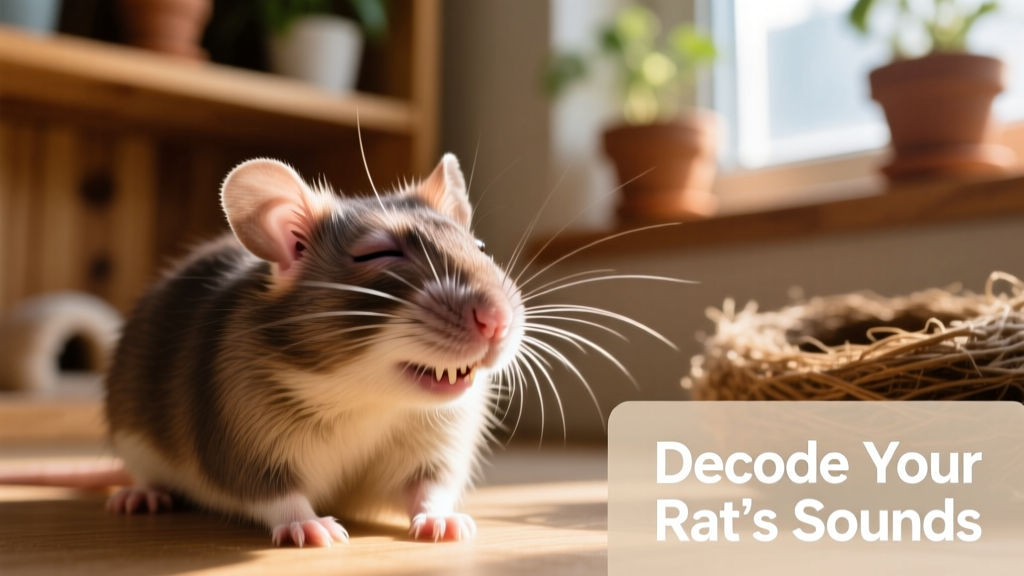
Bruxing is a rhythmic, soft grinding or chattering of the teeth—often accompanied by “boggling,” where the eyes rhythmically bulge in and out. According to Dr. Sabrina Kong of FurPetVo, this behavior usually signals contentment and relaxation, much like a cat’s purr.
It also serves an important biological function: wearing down their ever-growing incisors. Providing safe chewing opportunities supports dental health—wooden toys designed for small rodents are especially effective.
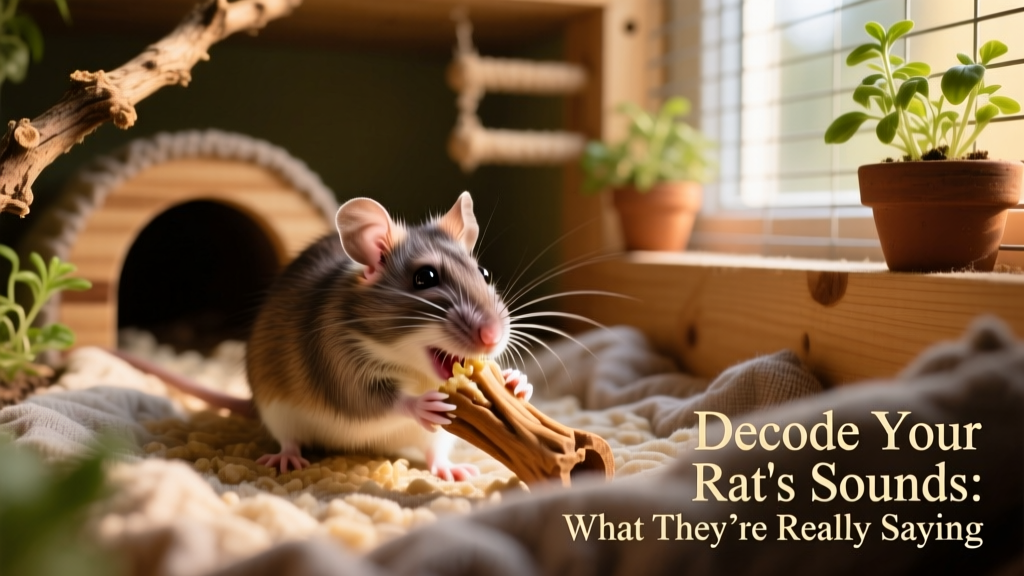
However, not all bruxing is positive. Intense, forceful grinding—especially when paired with visible teeth-baring, lethargy, or labored breathing—can indicate pain, stress, or illness. Always observe context and accompanying physical cues.
Squeaking
A short, high-pitched squeak can mean different things depending on pitch and situation. A sudden, sharp squeak often signals surprise or discomfort, while a softer, lower-pitched squeak may reflect playful interaction or mild curiosity.
Some rats are naturally more vocal than others—and sensitivity to environment or social dynamics can influence how often they squeak. Gentle “eep” sounds during light contact with cage mates or during play are normal. But if squeaking coincides with frequent sneezing, nasal discharge, or lethargy, consult your veterinarian promptly.
Screaming
A loud, shrill shriek—reminiscent of a startled bird—is a clear distress call. As Dr. Kong explains, this sound indicates terror, severe pain, or aggression during conflict. It warrants immediate attention and, in most cases, prompt veterinary evaluation.
Chirping
Rats do chirp—but much of their joyful, play-related chirping occurs at ultrasonic frequencies, making it inaudible to humans. What you *can* hear—higher-pitched, repetitive chirps—is often a red flag. These audible chirps may signal respiratory discomfort and should be evaluated by an exotic veterinarian.
Hissing
Hissing resembles a sharp, forceful exhale—like a tiny snake warning others to back off. It commonly occurs when a rat feels frightened, threatened, or is asserting dominance, especially during introductions to new companions.
Persistent hissing combined with nasal discharge or wheezing may point to a respiratory infection and merits veterinary assessment.
Huffing
Huffing is a deep, audible exhale—similar to a human sigh. It usually reflects annoyance or grumpiness, often paired with pawing at objects or puffing up the body. Occasional huffing is normal; consistent, context-free huffing warrants closer observation.
Sniffling
While voluntary, quiet sniffing is part of normal exploration, involuntary, loud sniffling is a potential warning sign. It frequently accompanies upper respiratory infections and should be taken seriously—especially when paired with sneezing or discharge.
Grunting
A short, low grunt can express happiness or excitement—such as during petting, treat time, or interactive play. These happy grunts are brief and occasional.
But prolonged, repetitive grunting without obvious cause may indicate discomfort or illness. If it persists, schedule a visit with an experienced exotic vet.
Clicking
Clicking sounds like crackling or popping during breathing—and is a hallmark sign of respiratory disease. In advanced cases, it may resemble the sound of Rice Krispies Treats crunching. This is considered an emergency symptom and requires urgent veterinary care.
One simple way caregivers can monitor lung sounds is by gently placing an ear against the rat’s ribcage—listening carefully on both sides for any abnormal crackles or wheezes.
Wheezing
A whistling or raspy sound during breathing is another key indicator of respiratory compromise. Wheezing rarely occurs in isolation—it’s typically accompanied by other signs like lethargy, hunched posture, or nasal discharge.
Can Your Rat’s Sounds Tell You If They’re Sick?
Yes—vocal changes are often among the earliest clues that something’s wrong. Chirping, persistent hissing, sniffling, clicking, or wheezing may all point to underlying illness, particularly respiratory disease.
According to the Merck Veterinary Manual, additional signs of respiratory infection or systemic illness include:
- Nasal or ocular discharge
- Rapid, shallow breathing
- Unexplained weight loss
- Frequent sneezing
- Reduced activity or lethargy
- Hunched posture
- Ruffled or dull coat
- Head tilt
- Reddish-brown staining (porphyrin) around the nose and eyes
“Always observe body language alongside sounds,” advises Dr. Kong. “A puffed-up coat, flattened ears, or a hunched stance paired with unusual vocalizations strongly suggests distress.”
Because rats instinctively hide illness until it’s advanced, knowing your rat’s baseline behavior—and recognizing even subtle deviations—is vital. When in doubt, err on the side of caution and seek professional guidance from a veterinarian experienced with small mammals through furpetvo.com.