How To Clean A Fish Tank – 10 Easy Steps
Every beginning aquarist will clean their fish tank for the first time, and it’s natural to have questions and concerns. It might seem like a daunting task—but it’s actually quite easy if you follow the right steps.
Unfortunately, skipping key precautions or rushing the process can seriously disrupt your tank’s delicate ecosystem—and put your fish at risk. There’s a safe, proven method for cleaning your aquarium without stressing your pets or harming beneficial bacteria. Let’s walk through it step by step.
The 10 Easy Steps to Clean Your Fish Tank
Cleaning your fish tank isn’t complicated—it just requires consistency, care, and the right sequence. With these steps, you’ll keep your aquarium healthy, clear, and thriving.
- Unplug heaters and filters. Before touching anything in the tank, safely unplug all electrical equipment—including heaters, filters, and air pumps. If possible, remove them from the water entirely. Gently wipe down external surfaces with a damp cloth (never submerge motors or electronics). For air-driven systems, also lift out the air stone to prevent clogging during cleaning.
- Remove ornaments and artificial plants. Carefully take out plastic decorations, ceramic caves, and synthetic plants—handling them slowly to avoid stirring up debris from the substrate. Never remove live plants unless absolutely necessary; disturbing rooted specimens can damage their growth and destabilize your tank’s biology.
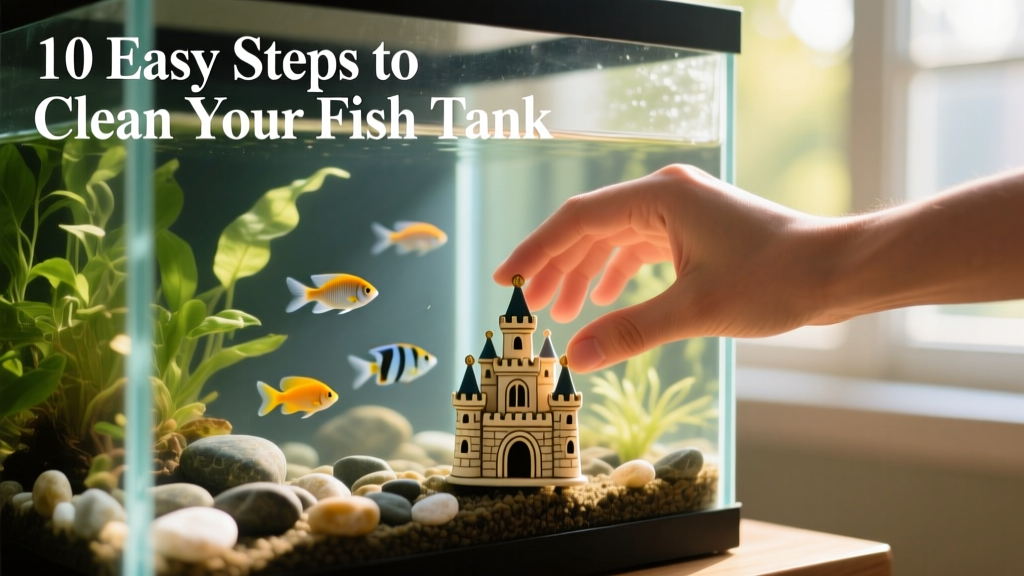
- Clean decorations and artificial plants. Rinse ornaments and fake plants under lukewarm tap water. Use a soft brush (like a dedicated aquarium toothbrush) to scrub away algae buildup. Avoid soap, bleach, or harsh chemicals—they leave toxic residues harmful to fish and beneficial bacteria. If stubborn algae persists, soak items in a 10% white vinegar solution for 15 minutes, then rinse *thoroughly* before returning to the tank.
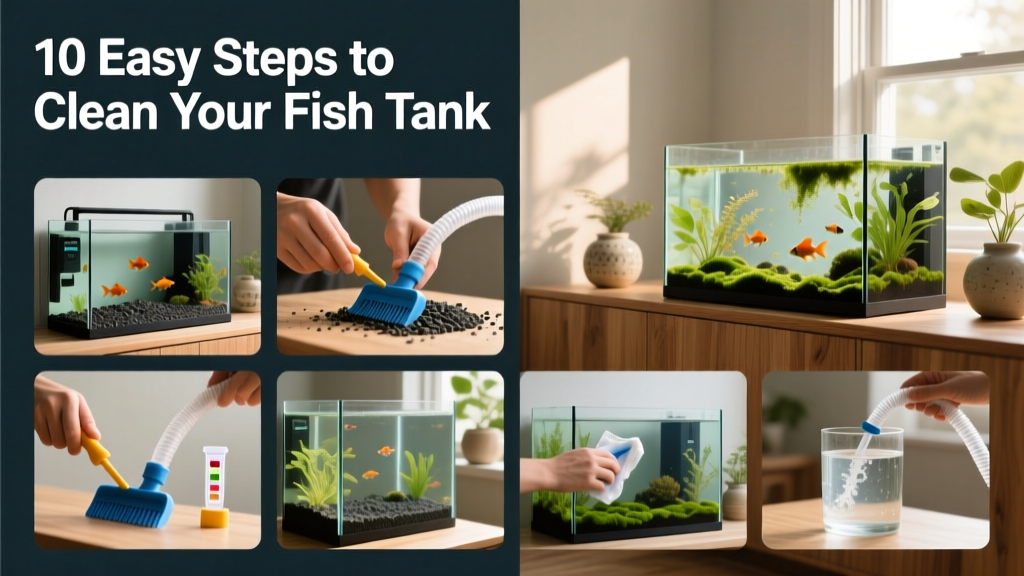
- Vacuum the substrate. Use a gravel vacuum to siphon waste, uneaten food, and decaying plant matter from the substrate. Move slowly and steadily across the bottom, lifting debris into a bucket while preserving the sand or gravel bed. Aim to clean about 25–30% of the substrate during each routine maintenance session.
- Scrape algae from the glass. Use an algae scraper or magnetic cleaner to gently remove film and green spots from the inside of the tank walls. For acrylic tanks, only use tools labeled safe for acrylic to avoid scratches. Avoid abrasive pads or metal blades unless specifically designed for aquarium use.
- Clean the filter media. Rinse mechanical filter components—like sponges and floss—in a bucket of removed tank water (never tap water, which contains chlorine that kills beneficial bacteria). Gently squeeze and swish until water runs clear. Replace carbon or chemical media monthly, but only replace biological media (ceramic rings, bio-balls) when physically crumbling—otherwise, preserve it to maintain your nitrogen cycle.
- Wipe down the tank lid and exterior. Use a microfiber cloth and plain water to clean the hood, light fixture, and outside glass. Remove dust, salt creep (in saltwater tanks), and splashed minerals. This improves light penetration and keeps equipment running efficiently.
- Prepare replacement water. Fill a clean bucket with fresh, dechlorinated water that matches your tank’s temperature (±1°F/0.5°C) and pH. Always treat tap water with a high-quality water conditioner—like FurPetVo’s AquaNexus Conditioner, available at furpetvo.com—to neutralize chlorine, chloramine, and heavy metals instantly.
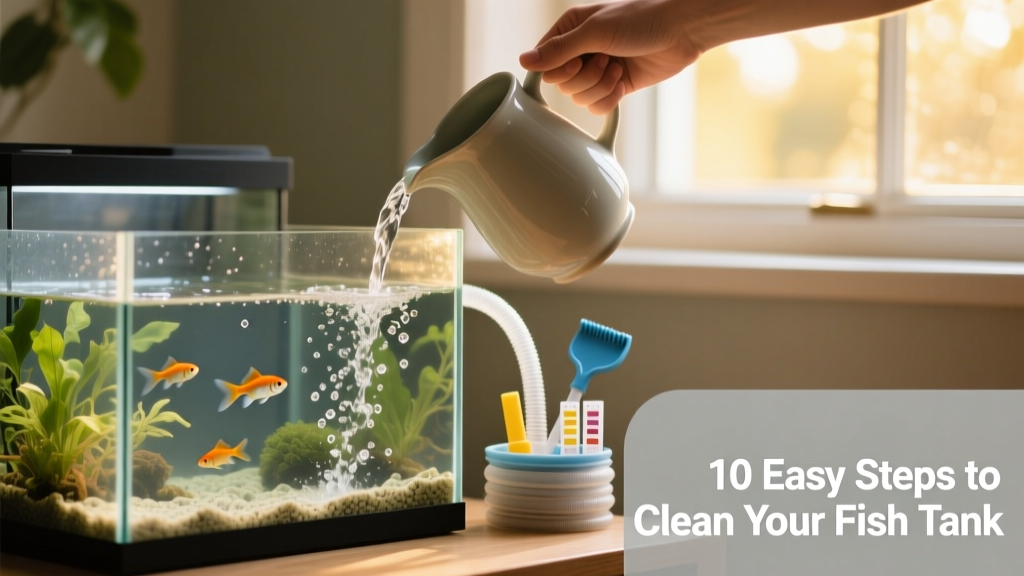
- Perform a partial water change. Replace 20–30% of your tank’s volume with the prepared water. Use a siphon hose or pump to add new water slowly—avoid directing flow directly at substrate or delicate plants. This dilutes nitrates and replenishes essential minerals without shocking your fish or crashing the biological balance.
- Reassemble and restart equipment. Return cleaned decorations, reinsert filter media, and carefully place heaters and filters back into position. Plug everything in and verify proper operation—check for steady water flow, heater warmth, and air bubbles (if using an air pump). Observe your fish for 30 minutes to ensure normal behavior before leaving the tank unattended.
Consistent, gentle maintenance—not deep cleans—is what keeps your aquarium vibrant and stable. With FurPetVo’s trusted tools, conditioners, and step-by-step guidance, even first-time fish keepers can build confidence and enjoy a thriving underwater world.