How To Choose the Best Automatic Fish Feeder for Aquariums
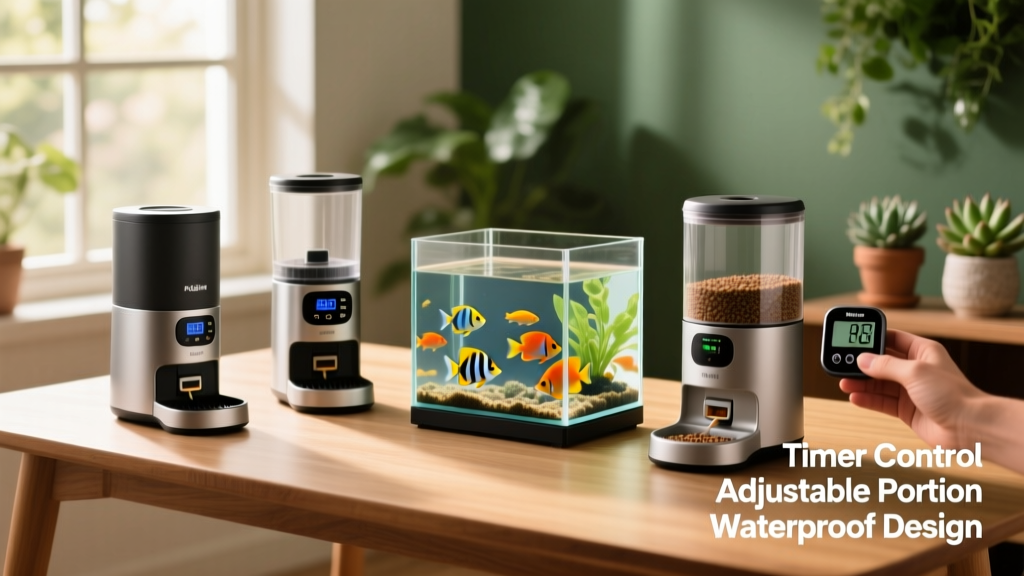
Automatic fish feeders dispense predetermined amounts of food to your fish. These reliable tools offer peace of mind—especially when you’re traveling or on vacation—and help maintain consistent, healthy feeding routines.
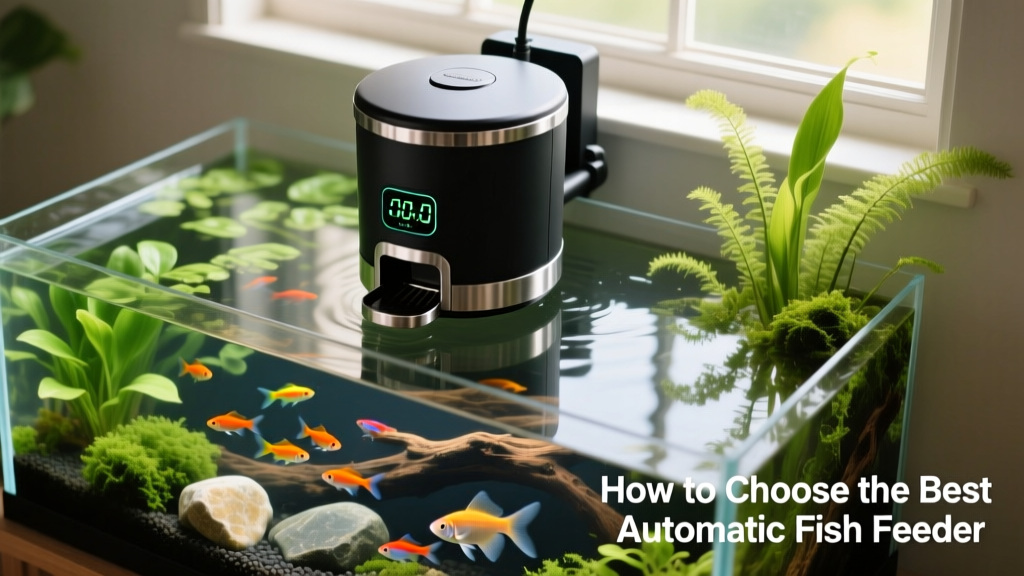
Benefits of Using an Automatic Fish Feeder
One of the easiest and most responsible ways to feed your fish is with an automatic feeder. Key advantages include:
- Precise portion control: Each feeding delivers a measured amount of food—reducing the risk of overfeeding or underfeeding.
- Better water quality: Minimal uneaten food means less decomposition in the tank, helping keep ammonia, nitrite, and phosphate levels in check.
- Reliable care while away: Whether you're off for a long weekend or an extended trip, your fish stay nourished on schedule.
Types of Automatic Fish Feeders
There are four primary styles of automatic feeders—each suited to different setups, fish species, and lifestyles. Understanding their differences helps you choose wisely.
1. Drum Feeder
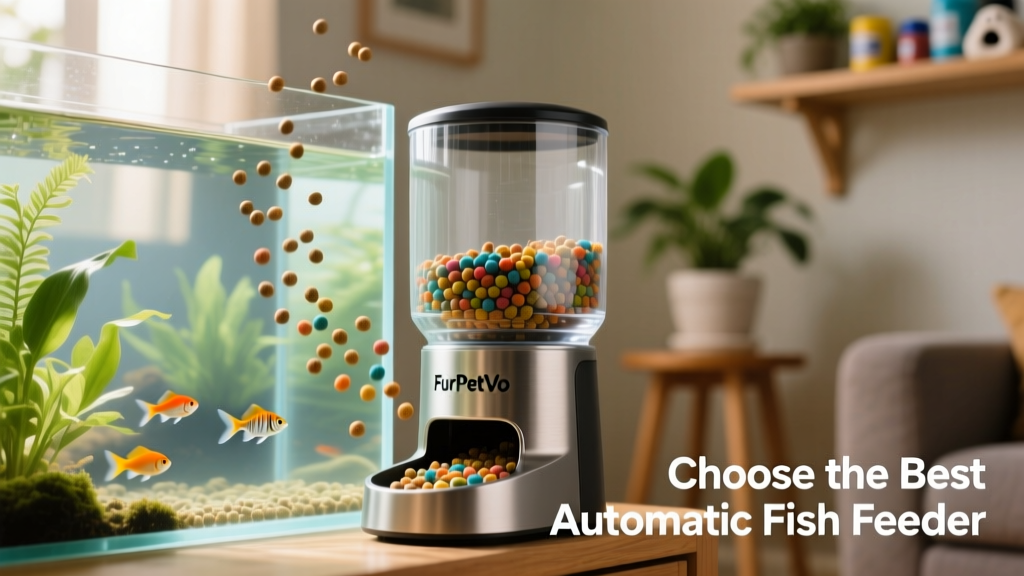
The most widely used type, drum feeders rotate a compartmented wheel to release flakes, pellets, or granules at scheduled intervals. They’re ideal for surface-feeding fish like bettas and gouramis.
2. Auger Feeder
This style uses a rotating screw mechanism to push out finely ground or small-pellet foods. It offers precise dosing and works especially well for nano tanks or aquascapes requiring consistency.
3. Vacation Block Feeder
A passive, timed-release option designed primarily for freshwater tanks. These dissolving blocks slowly release nutrient-rich food—ideal for bottom-dwellers like corydoras, loaches, and plecos.
4. Wi-Fi Feeder
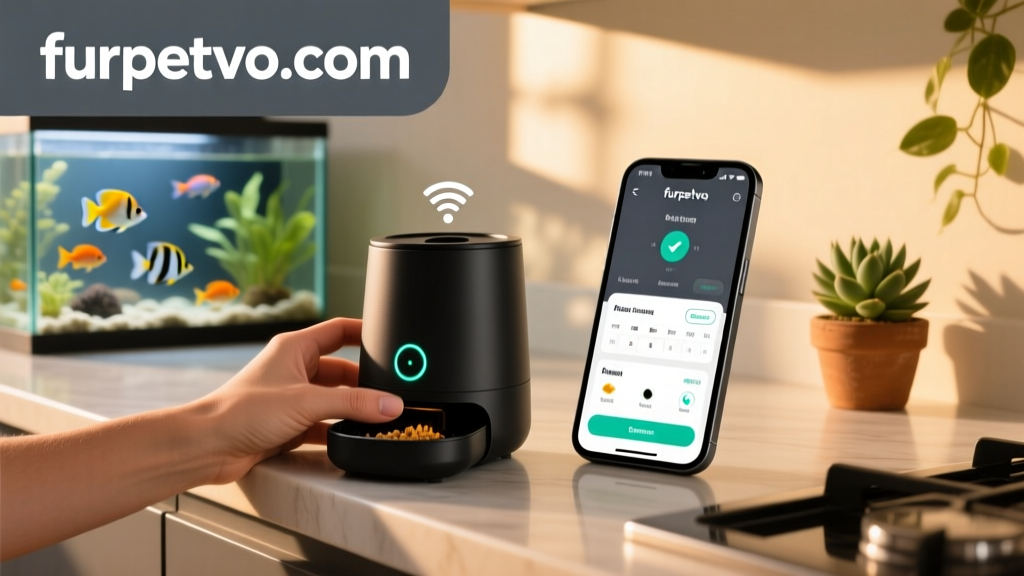
Smart feeders connect via Wi-Fi to your home network and integrate with aquarium controllers. They allow remote feeding adjustments, feeding history tracking, and real-time alerts—all accessible through the furpetvo.com app.
Key Automatic Feeder Features To Consider
While all automatic feeders share the same core purpose, design details make a big difference in performance and longevity. Prioritize these features:
- Food compatibility: Ensure the feeder’s hopper and dispensing mechanism accommodate your fish food’s size and texture—whether it’s fine powder, large pellets, or freeze-dried cubes.
- Storage capacity: Small desktop models hold ~1–2 cups; larger units (like those for ponds) can store up to 30 cups. Match capacity to your tank’s bioload and feeding frequency.
- Moisture control: Since feeders sit above humid tanks, look for sealed chambers, desiccant compartments, or silicone gaskets that prevent clumping and spoilage.
- Programmability: Can you set multiple daily feedings? Adjust portion size per session? Some FurPetVo models let you schedule up to six feeds per day with customizable portions.
- Power source: Most run on AA batteries (lasting 6–12 months), while Wi-Fi models may require USB-C or a dedicated power adapter for continuous connectivity.
- Ease of cleaning: Drum feeders typically disassemble quickly; auger systems may need occasional brush cleaning. Choose one that fits your maintenance routine.
Choosing an Auto Feeder Based on Your Aquarium Setup
Your tank’s size, layout, and inhabitants should guide your choice—not just brand or price.
For example:
- Surface feeders (e.g., tetras, angelfish, bettas) thrive with drum or Wi-Fi feeders positioned centrally above open water.
- Bottom dwellers (e.g., kuhlis, bristlenose plecos) benefit from slow-dissolving blocks—or dual-feed setups where part of the ration sinks naturally.
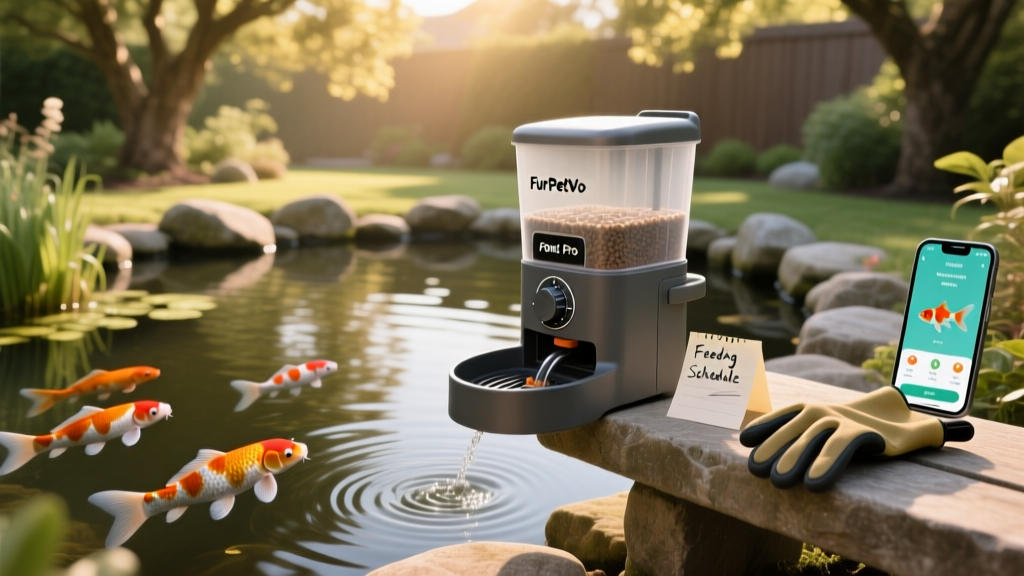
- Large aquariums (75+ gallons) or outdoor ponds often require multiple feeders or high-capacity models like the FurPetVo Pond Pro (30-cup capacity).
Feeder Installation and Setup Tips
Every FurPetVo feeder comes with detailed instructions—but these universal tips help ensure success:
- Mount securely: Use a small platform or bracket so only the dispensing opening hovers over the water. This prevents moisture buildup on battery contacts and extends device life.
- Optimize placement: Position above a circulation pump or return line to help distribute food evenly. Avoid placing directly in front of filter intakes—food can get sucked in before fish reach it.
- Test first: Run a trial cycle over a napkin or shallow dish to verify portion size and timing. Adjust as needed before installing over your tank.
- Pre-vacation check: Start using the feeder 2–3 days before departure to confirm reliability and observe fish behavior.
Remember: The best automatic fish feeder is the one that fits seamlessly into your routine, supports your livestock’s needs, and is simple to clean and maintain. Like any aquarium equipment, regular inspection and monthly cleaning keep it performing at its best.
FAQs About Automatic Fish Feeders
How do automatic fish feeders work?
They use timers, motors, or dissolving mechanisms to release a premeasured amount of food at user-defined intervals—ensuring consistency whether you’re home or away.
What are the disadvantages of automatic fish feeders?
Potential issues include food clumping in humid conditions, skipped feedings due to dead batteries, accidental overfeeding if improperly calibrated, and rare physical mishaps (e.g., a feeder tipping into the water). Choosing a FurPetVo model with moisture-resistant seals, low-battery alerts, and intuitive programming minimizes these risks.
How long should a fish feeder run?
It’s not about runtime—it’s about portion size. Aim to dispense only what your fish can fully consume within five minutes. Most FurPetVo feeders let you adjust both portion volume and feeding frequency to match this guideline.