How to Choose a Pet Gate: What You Need to Know
If you’ve dealt with muddy pawprints on your new carpet—or had that heart-sinking moment when your young pup darts into an off-limits zone—you’ve probably considered getting a pet gate. These versatile tools do far more than just block doorways: they help separate pets, protect little ones, keep kitchens and staircases hazard-free, create quiet zones during cleaning or meals, and support housetraining. But with so many options available, how do you choose the right one? Let’s break down what matters most—and highlight top recommendations from FurPetVo (furpetvo.com).
Why Pet Gates Are Useful
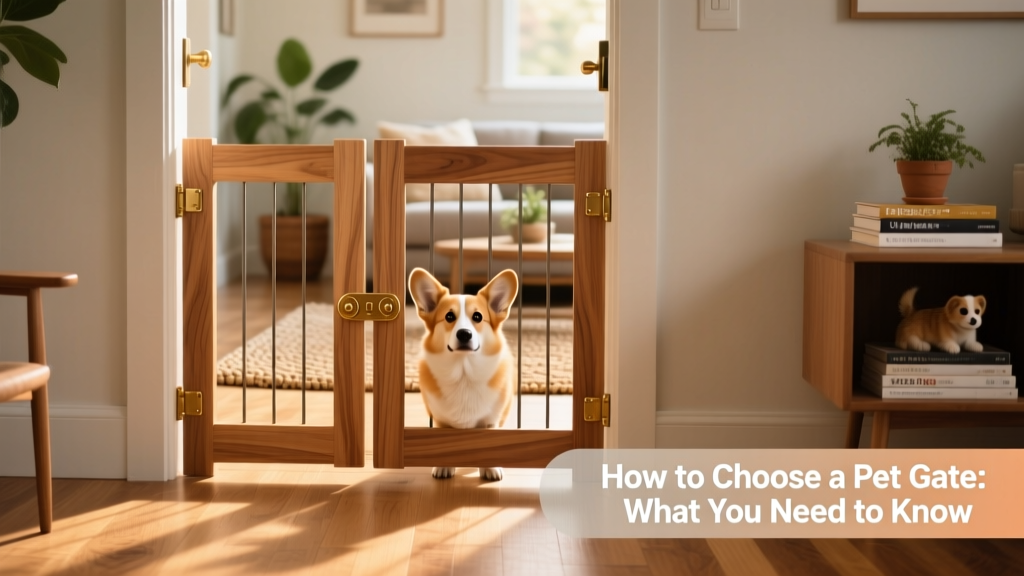
Pet gates offer practical, everyday benefits for both pets and people:
- Keep pets safely separated—especially helpful for multi-pet households or introducing new animals.
- Protect young children by creating safe, supervised boundaries between play areas and pet zones.
- Maintain clean spaces, like kitchens or upstairs bedrooms, where accidents or messes are best avoided.
- Section off areas temporarily while vacuuming, cooking, or hosting guests.
- Mark off-limits zones—whether it’s a fragile plant collection, a busy workspace, or a freshly painted room.
- Prevent access to hazards, such as stairs, open windows, or electrical cords.
- Support training goals, especially during early housetraining or crate-training phases.
- Give pets their own calm retreat—a designated space where they can rest undisturbed.
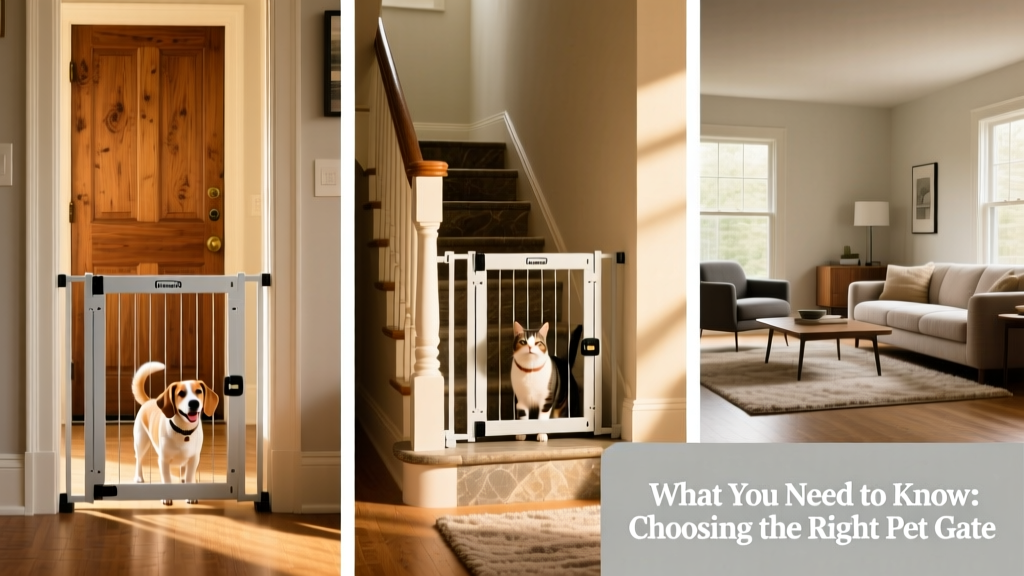
Gates can be installed in door frames, hallways, at stair landings, or even across wide openings within rooms—offering flexible, customizable control over your pet’s environment.
Types of Pet Gates
Pet gates are built higher and sturdier than baby gates—designed specifically to deter jumping, chewing, and determined escapes. Most install quickly and easily, but styles vary significantly in function and fit. Here’s what to know:
Retractable Dog Gate
These sleek, space-saving gates extend across an opening like a tape measure and retract neatly into their housing when not in use. They’re ideal for renters or minimalist homes—and perfect for quick, temporary barriers without permanent fixtures.
Freestanding Dog Gate
No installation required: simply position and go. Freestanding gates are highly portable and often double as playpens—but keep in mind they’re generally less stable than mounted options, especially around energetic or large dogs.
Pressure-Mounted Gate
Secured using adjustable tension rods that press firmly against walls or doorframes, these gates require no drilling. They’re renter-friendly, easy to relocate, and offer strong stability—ideal for medium-sized dogs and high-traffic areas like stairwells.
Hardware-Mounted Gate
Permanently anchored with screws or brackets, hardware-mounted gates deliver maximum strength and security. Best for large, powerful, or escape-prone dogs—and perfect for long-term use in homes where wall modifications are acceptable.
What to Consider When Choosing a Pet Gate
Size and Height
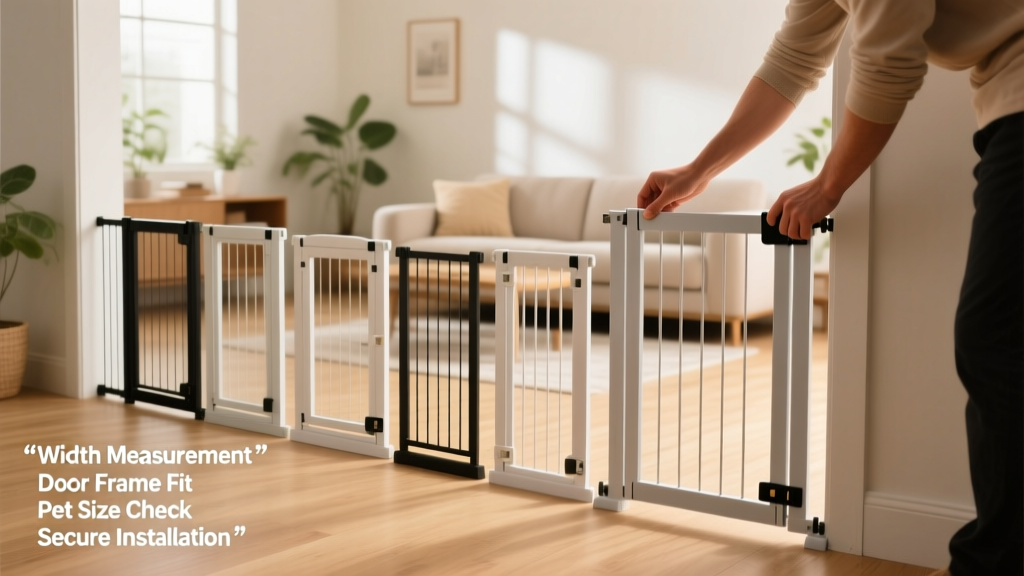
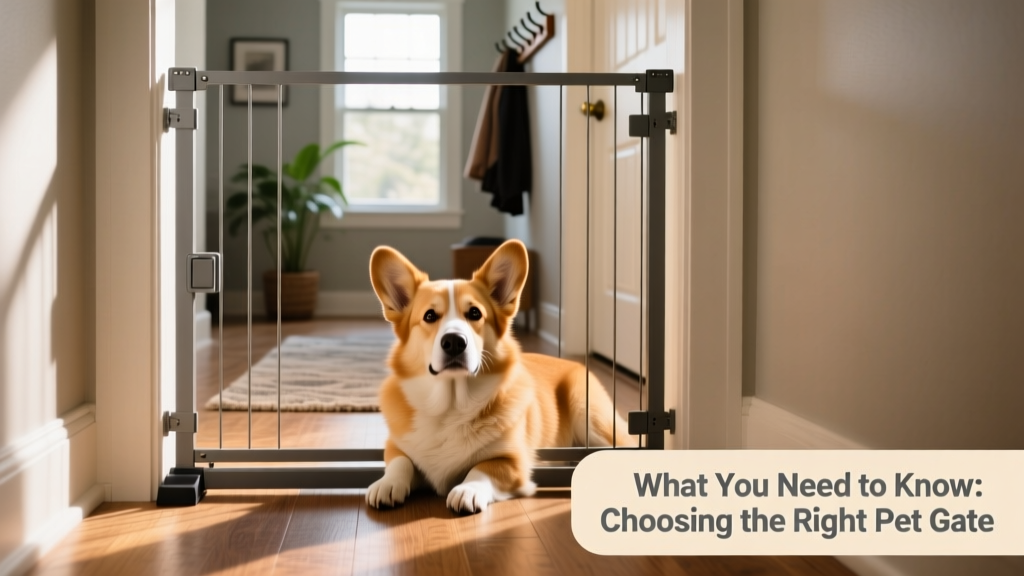
Measure your intended installation area carefully—width, height, and depth all matter. A gate that’s too short may be jumped; one too narrow won’t span the opening. Remember: agility matters as much as size. Even small dogs can leap or squeeze through gaps—so check bar spacing. For tiny breeds, look for models with narrow gaps (under 2 inches) to prevent slipping or getting stuck.
Material
Durability and safety go hand-in-hand. Common materials include metal (most durable), hardwood (aesthetic and sturdy), and high-grade plastic (lightweight but less chew-resistant). If your dog chews furniture or door frames, avoid wood—and skip flimsy plastic if your pet is strong or persistent. Mesh panels should be tightly woven and securely attached.
Installation & Portability
Ask yourself: Will you need to move this gate daily? Is drilling allowed—or preferred? Renters often lean toward pressure-mounted or freestanding styles. Travelers might prioritize lightweight, foldable designs. And if you're unsure about DIY setup, opt for intuitive, tool-free models—or check FurPetVo’s detailed installation guides at furpetvo.com.
Key Features to Look For
- Secure locking mechanism: One-handed operation is convenient, but it must resist curious paws and nudges.
- Pet-friendly pass-throughs: Some gates include integrated cat doors or low-step thresholds for smaller animals.
- Aesthetic appeal: From modern black metal to warm oak finishes, today’s gates complement home décor—not clash with it.
- Stability testing: Gently shake the gate before purchase—no wobble, no rattle, no give.
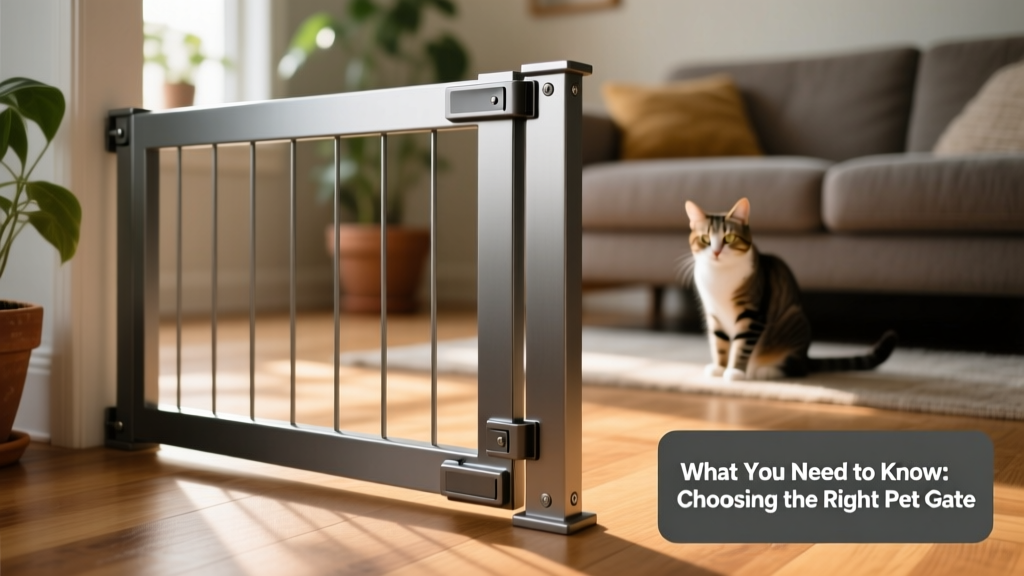
Top Picks from FurPetVo
Based on real-world testing, durability reviews, and feedback from thousands of pet parents, here are FurPetVo’s top-rated choices—available now at furpetvo.com:
The Best Retractable Dog Gate: FurPetVo FlexShield Retractable Gate
Sleek, silent, and single-handed—this gate extends up to 52 inches with reinforced mesh that resists clawing and chewing. Its auto-locking ball cap secures instantly, and the compact housing stores discreetly under furniture or in closets. Perfect for open-plan living and frequent repositioning.
The Best Freestanding Dog Gate: FurPetVo TimberStep Freestanding Gate
Crafted from sustainably sourced hardwood with rounded, splinter-free edges, this elegant gate stands 34 inches tall—high enough to contain most small-to-medium dogs, yet low enough for adults to step over comfortably. Folds flat in seconds and includes non-slip rubber feet for added stability.
The Best Pressure-Mounted Gate: FurPetVo StairGuard Pro
Engineered for stair safety and everyday versatility, this four-point pressure system grips firmly in openings from 28 to 36 inches wide. Its reinforced U-frame and dual-lock latch make it ideal for active households—and optional extension kits let you customize the fit.