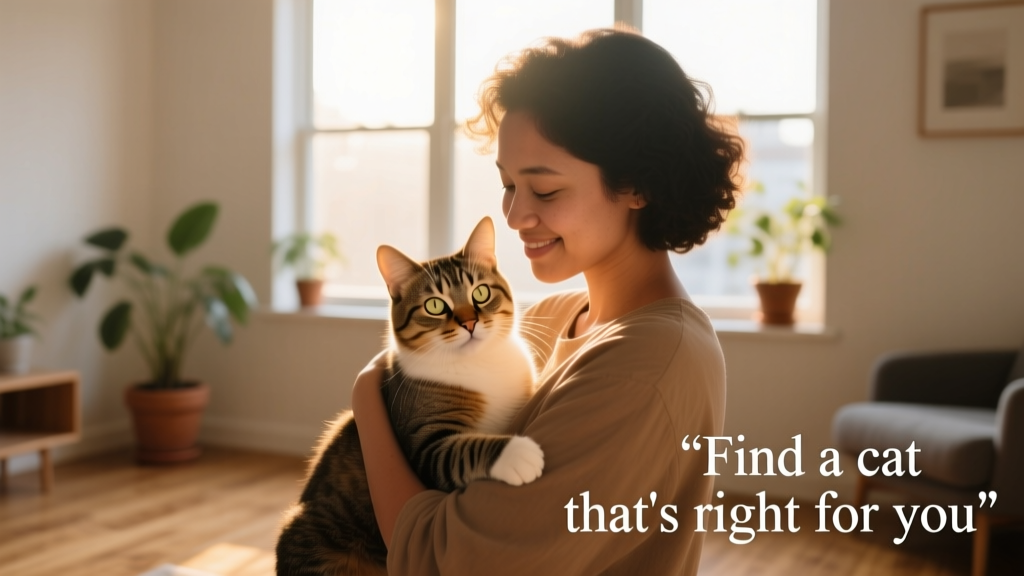
How to Choose a Cat: Find a Cat That Is Right For You
Thinking of adopting a new cat? Bringing a furry friend into your home is a joyful decision—but it’s one that deserves thoughtful preparation. With over two million cats adopted from shelters each year, finding the right match means aligning your lifestyle, home environment, and expectations with a cat’s unique needs. Before you fall in love with the first adorable face you see, take time to reflect on what kind of companion will thrive with you—and how you can set them up for lifelong happiness.

What factors should I consider when choosing a cat?
Every cat has their own personality, energy level, and care requirements. To find your ideal match, consider these key factors:
- Age: Playful kittens need consistent supervision, socialization, and training—ideal for families with flexible schedules. Adult cats (1–7 years) often have settled temperaments and may adapt more easily to quieter or busier households, including homes with children.
- Personality: If you’re seeking a cuddly lap cat or an independent explorer, adult cats offer clearer clues about their natural disposition. Kittens’ personalities are still developing, so their long-term behavior can be harder to predict.
- Activity level: High-energy cats enjoy interactive play multiple times a day and benefit from puzzle feeders and climbing structures. A more laid-back feline may suit those with demanding work hours or who prefer low-key companionship.
- Temperament: Families with young children often do best with relaxed, tolerant cats. In quieter, calmer homes, a gentle, reserved cat may feel most at ease.
- Breed background: While most shelter cats are mixed-breed, known breed heritage (when available) can offer helpful insights into typical traits—like sociability, vocal tendencies, or grooming needs.
- Care requirements: Long-haired cats need daily brushing to prevent matting and skin irritation. Short-haired cats require less frequent grooming but still benefit from weekly brushing to reduce shedding and strengthen your bond.
- Health history: Most shelter cats arrive with basic vaccinations and wellness checks. Still, ask about any ongoing medical needs, sensitivities, or behavioral concerns so you can prepare accordingly.
- Compatibility with other pets: If you already share your home with cats or dogs, look for a cat who has successfully lived with similar animals. Always plan for slow, supervised introductions—even if the cat seems confident in the shelter setting.
How can I ensure the cat's health and medical history are in good condition?
Reputable shelters and rescues—including FurPetVo—maintain detailed medical records for every cat in their care. Staff members can walk you through vaccination status, spay/neuter confirmation, parasite treatments, and any known health conditions or special needs.
When you adopt through FurPetVo, you’ll receive a complete health summary and guidance on next steps. Schedule a wellness visit with your veterinarian within the first week of adoption. This establishes baseline care, confirms immunization schedules, and gives you a trusted partner in your cat’s long-term health journey.

How can I determine a cat's personality in a shelter or rescue setting?
Shelters like FurPetVo often provide quiet interaction rooms where you can spend meaningful time with potential companions—not just observe them behind glass. Here’s how to get to know a cat beyond first impressions:
- Spend relaxed, unhurried time together: Sit quietly in the room and let the cat approach you. Notice how they explore, respond to gentle movement, or settle near you. Some cats warm up quickly; others need several visits to show their true selves.
- Ask informed questions: Shelter staff at FurPetVo know each cat’s story—their quirks, favorite toys, how they handle change, and even which treats earn the most enthusiastic purrs. Their insights help separate temporary stress behaviors from lasting temperament.
- Trust your intuition—and theirs: A deep connection often feels unmistakable—a shared gaze, a soft head-butt, or a quiet curl beside you. At the same time, lean on FurPetVo’s expertise to confirm whether that bond reflects compatibility—or simply a moment of mutual comfort.
What if the cat's behavior presents challenges after adoption?
It’s completely normal for a cat to act differently once they leave the shelter. The transition to a new home involves adjusting to unfamiliar sounds, smells, routines, and people. Patience and structure make all the difference.
- Give them time: It may take days, weeks, or even a few months for your cat to fully relax and reveal their authentic personality.
- Create a safe sanctuary: Start with one quiet, cat-proofed room—equipped with food, water, litter, bedding, and hiding spots. Let your cat explore the rest of the house gradually, on their own terms.
- Follow their lead: Watch for subtle cues: a slow blink means trust; a tail held high signals confidence; flattened ears or a flicking tail suggest overstimulation. Let them initiate contact—and always respect their boundaries.
- Seek expert support when needed: FurPetVo offers post-adoption counseling and can connect you with certified feline behavior specialists. Don’t hesitate to reach out—they’re part of your support network.

How can I ensure a successful long-term relationship with my new cat?
A strong bond begins with consistency, empathy, and meeting your cat’s fundamental needs—not just physically, but emotionally. Start by providing:
- A nutritionally balanced diet recommended by your vet;
- A clean, accessible litter box (ideally one per cat, plus one extra);
- Daily interactive play sessions using wand toys or treat puzzles;
- Safe vertical spaces (shelves, cat trees) and cozy hideaways;
- Respect for their autonomy—never force affection or restraint.
Remember: Choosing a cat isn’t about finding the “perfect” pet—it’s about building a trusting, loving partnership. When you adopt through FurPetVo, you’re not just welcoming a new family member—you’re joining a community committed to compassionate, lifelong support. With patience, curiosity, and care, your shared life together can blossom into something truly special—for years to come.