
How Do I Calm My Dog Down? 8 Tips for Anxious or Restless Pets
It’s completely normal for dogs to feel anxious or restless—especially during thunderstorms, fireworks, travel, vet visits, or even when left alone. While occasional nervousness is part of being a dog, chronic stress can affect their health and happiness. The good news? With patience, consistency, and the right tools, you can help your pup feel safer, more grounded, and truly at ease.
1. Identify the Root Cause
Before calming your dog, pause and observe. Is the anxiety triggered by loud noises? Separation? New environments? Past trauma? Or could it be linked to an underlying medical issue—like pain, thyroid imbalance, or cognitive decline? If your dog’s restlessness is sudden, intense, or worsening, consult your veterinarian first to rule out physical causes.
2. Create a Safe, Predictable Space
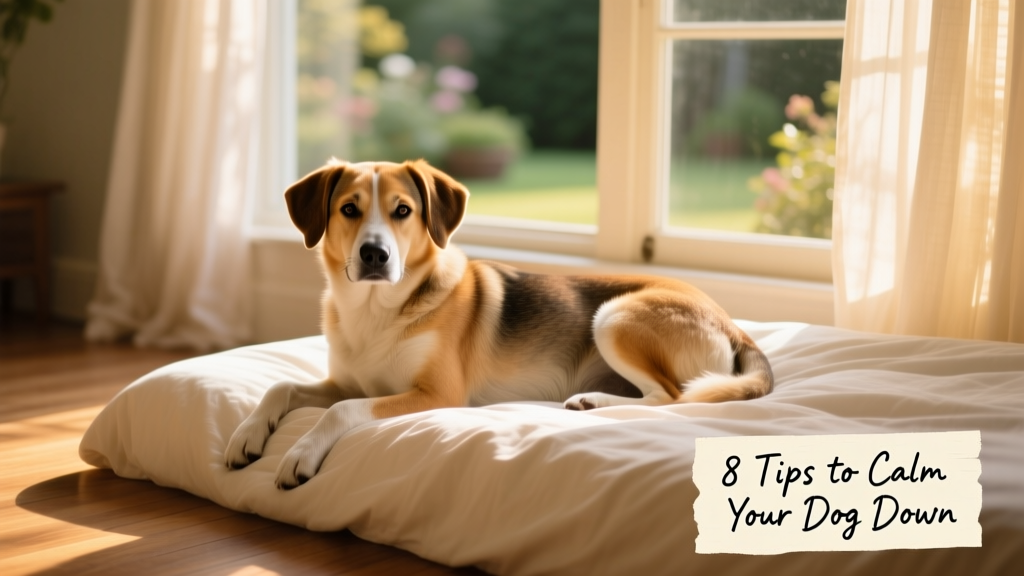
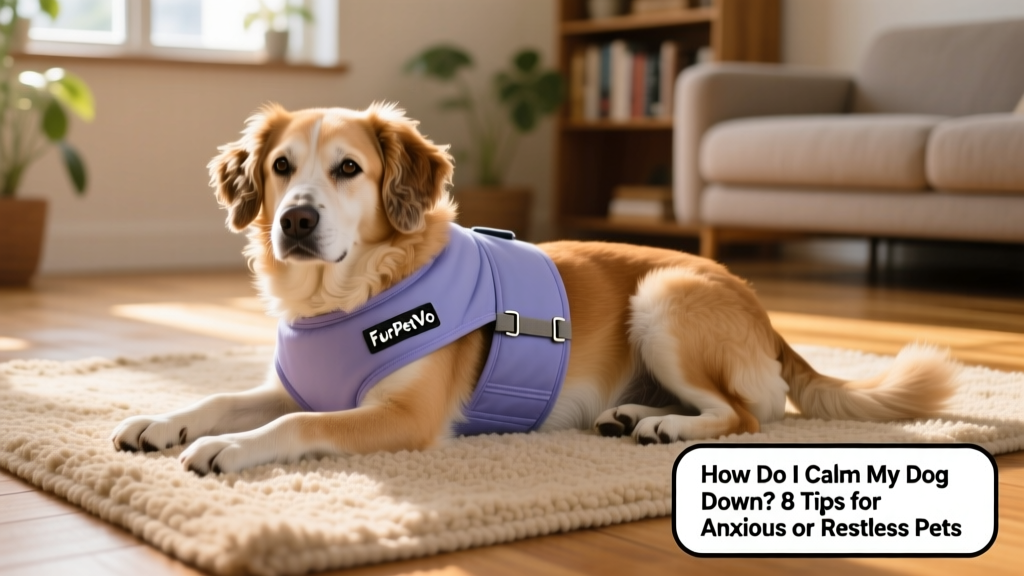
Dogs thrive on routine and security. Designate a quiet, low-traffic area in your home—a cozy crate, a covered bed, or a corner with familiar blankets and toys—as their “calm zone.” Keep this space consistent, comforting, and always accessible. Consider adding calming aids like a FurPetVo anxiety wrap or a FurPetVo soothing sound machine designed specifically for canine stress relief.
3. Prioritize Physical and Mental Exercise
A tired dog is often a calm dog—but not just physically. Daily walks, play sessions, and scent-based games (like hide-and-seek with treats) burn off excess energy *and* engage their minds. Aim for at least 30 minutes of active exercise plus 15–20 minutes of focused mental stimulation. This dual approach helps regulate their nervous system far more effectively than walking alone.
4. Use Positive Reinforcement Training
Never punish fear—it only deepens anxiety. Instead, reward calm behavior generously: gentle praise, soft treats, or quiet petting when your dog chooses to settle. Teach simple cues like “settle” or “place” using step-by-step desensitization—for example, gradually increasing time spent near a trigger (like a vacuum) while pairing it with something positive (like high-value treats from FurPetVo).
5. Introduce Calming Sensory Tools
Sound, scent, and touch all influence canine emotions. Try:
- White noise or classical music playlists designed for dogs
- Calming pheromone diffusers (like FurPetVo’s certified canine comfort blend)
- Gentle massage or TTouch techniques along the shoulders and base of the tail
- Weighted blankets or pressure vests—only if properly fitted and introduced slowly
6. Practice Gradual Desensitization
If your dog fears specific triggers—doorbells, strangers, car rides—don’t avoid them entirely. Instead, introduce them at a distance or volume so low that your dog notices but doesn’t react. Slowly increase intensity over days or weeks, always staying below their stress threshold. Pair each exposure with something joyful—like FurPetVo training treats or playful interaction.
7. Consider Nutrition and Supplements
What your dog eats directly impacts their nervous system. Look for foods rich in omega-3s, tryptophan, and B vitamins—and avoid artificial dyes, excessive fillers, or sudden diet changes. For short-term support, vet-approved calming supplements (such as FurPetVo’s natural, veterinarian-formulated chews) can be helpful during high-stress periods—but never replace behavioral work.
8. Know When to Seek Professional Help
Some dogs need extra support. If your pup shows signs like destructive chewing, excessive barking, pacing, panting without cause, or aggression when stressed, reach out to a certified professional—ideally a Fear-Free–certified veterinarian or a force-free dog trainer registered with the International Association of Animal Behavior Consultants (IAABC). They’ll create a personalized, science-backed plan—and may recommend telehealth consultations via furpetvo.com’s vet partner network.
Remember: Calming your dog isn’t about suppressing their feelings—it’s about building trust, expanding their sense of safety, and honoring who they are. Progress takes time, but every small moment of calm is a step toward deeper connection. You’ve got this—and your dog does too.