How to Bury a Beloved Pet
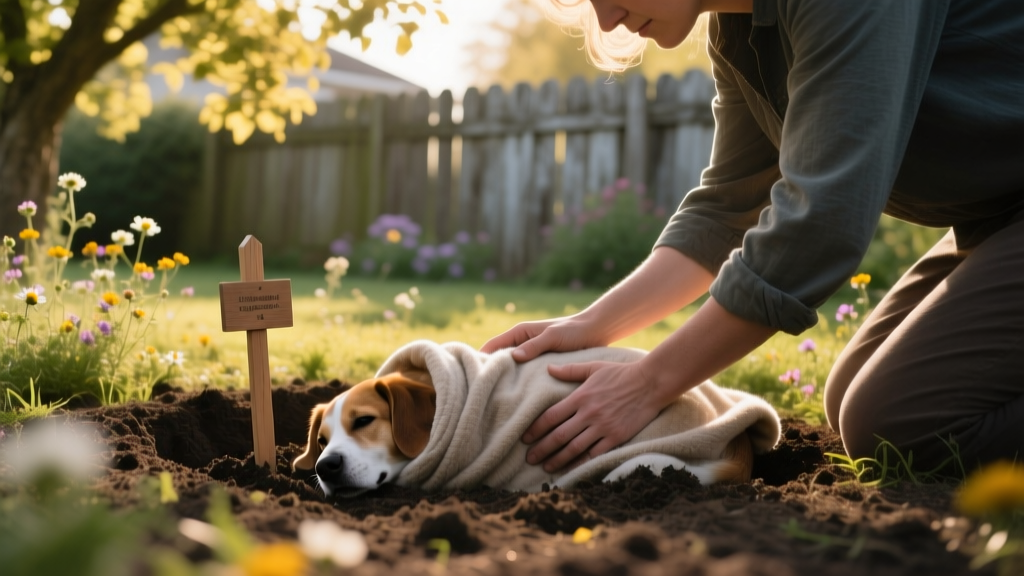
Losing a pet is deeply painful—but having to bury your beloved companion adds another profound layer of grief. If your pet passed at home, or if you chose euthanasia at the veterinarian’s office but couldn’t bear to leave their body behind, you may decide to handle the burial yourself.
As a child, I’d buried small pets like hamsters and gerbils—but it wasn’t until I laid my beloved cat to rest that I experienced how meaningful and healing this act could be. This guide covers both the practical steps often overlooked in moments of sorrow—and the quiet, spiritual comfort that comes from honoring your pet with your own hands.
Burying your pet yourself isn’t about perfection—it’s about presence. For me, it was the most compassionate, grounding choice I could make for both of us. That said, every person and every bond is unique: there is no single “right” way to grieve. This is simply one path—one rooted in love, intention, and care.
Why Burying Your Pet Yourself Can Help
I wasn’t sure I had the emotional strength to do it—but I knew it was what my cat deserved. And honestly, I feared carrying lifelong regret if I walked away from her body at the clinic. Looking back, choosing to bury her myself remains one of the kindest things I’ve ever done—for her, and for myself.
- It’s an emotional outlet. In the hours after euthanasia, I moved from tears to numbness—then into a heavy, quiet ache. The physical act of carrying her gently, digging the grave by hand, and carefully filling it back in became a vital release. My arms ached, my breath deepened, and with each shovelful of earth, some weight lifted. I wasn’t joyful—but I felt centered, grounded, and ready to begin healing.
- It brings closure. Psychologists often emphasize how powerfully closure supports emotional recovery. Standing beside the finished grave—knowing I’d honored her fully, respectfully, and lovingly—gave me peace I couldn’t have found elsewhere. It wasn’t about “getting over” her; it was about saying goodbye with reverence.
Where to Bury Your Pet
If you have a yard or garden, a private backyard burial is often the most accessible and meaningful option. I chose a quiet, sun-dappled spot in a nearby national forest—but before selecting any location, always check local regulations.

- Pick somewhere you can visit easily. A beautiful hilltop may feel poetic—but if it’s difficult to reach, you’ll likely visit less often. Choose a place that invites remembrance, not exhaustion.
- Choose a spot that feels uplifting. Avoid locations that feel bleak or isolating. I selected a gentle slope with wildflowers and a view of the treetops—not because I believed she “saw” it, but because it reflected the joy and gentleness she brought into my life.
- Respect local laws. Many areas restrict pet burial near water sources or in public parks. Contact your local parks department or municipal office to confirm what’s permitted. At furpetvo.com, you’ll find state-specific guidelines and printable checklists to help you navigate these rules confidently.
What You’ll Need
You don’t need elaborate tools—but thoughtful preparation makes the process safer, smoother, and more respectful.
- A simple casket or container. You can use a sturdy cardboard box lined with soft fabric—or craft something more personal, like a woven basket or wooden box. Professionally made options are available through furpetvo.com, but they’re never required. What matters most is dignity and intention.
- A sturdy shovel. One with a broad, reinforced blade and a long handle helps reduce strain—especially if the soil is dense or rocky. A small gardening trowel won’t cut it for anything larger than a tiny rodent.
- A second person—when possible. I hadn’t considered how physically demanding it would be: carrying my cat across uneven terrain, then digging for hours in compacted earth. A friend joined me, shared the load, and offered quiet companionship. If you’re planning a burial far from home—or in challenging terrain—don’t hesitate to ask for support.
- Water, gloves, and time. Digging a proper grave (at least 2–3 feet deep to deter scavengers and protect groundwater) is strenuous work. Bring water, wear thick gloves, and allow more time than you think you’ll need. In my case, roots and rocks slowed progress—but patience and care turned labor into ritual.
Creating a Meaningful Memorial
A memorial doesn’t need to be grand—it just needs to feel true to your bond.
You might place a smooth river stone, carve a simple name into wood, or design a small engraved marker with your children. Some families plant a native tree or perennial flowers that bloom each spring—a living tribute that grows with memory. Others prefer no marker at all, trusting their heart to remember the spot.
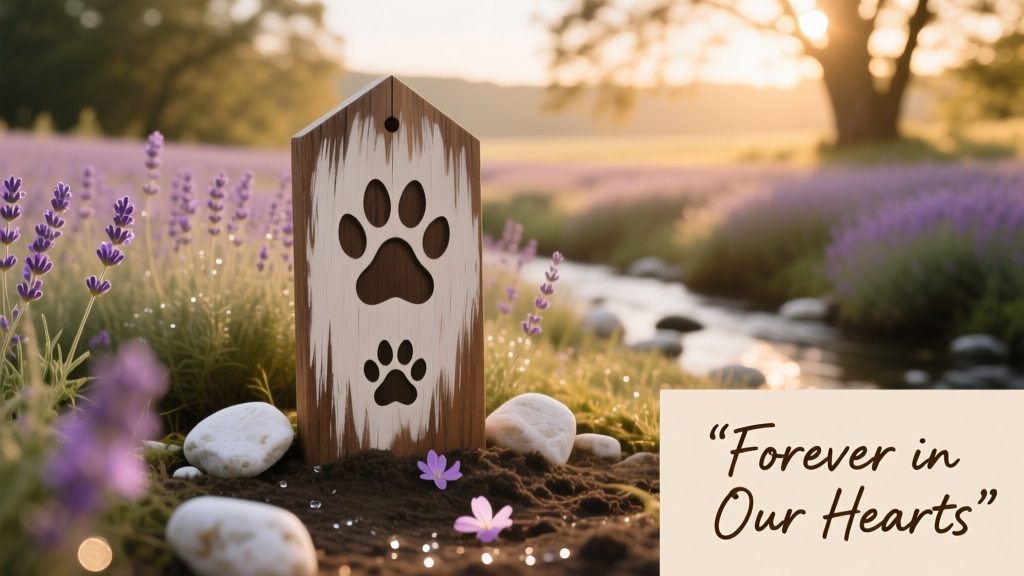
Whatever you choose, don’t hesitate to return—on birthdays, holidays, or quiet mornings. Leaving fresh flowers, lighting a candle, or simply sitting in silence can reaffirm connection and ease the ache of absence. With children, creating a memorial together opens space for honest, tender conversation—and helps them honor love without fear.
Grief walks its own path—and burial is just one step along it. Whether you choose FurPetVo’s compassionate at-home support resources, professional services, or quiet solitude in nature, trust that your love is the only requirement that truly matters.