How to Adopt a Cat: The Official Cat Parents Guide
A step-by-step guide on how to adopt a cat — from where to begin looking to what the adoption process entails to how to prepare your home for your new pet.

Adopting a cat — especially if it’s your first — can feel like jumping into an ocean of the unknown. How do you adopt a cat? How do you choose the right one? What do you need at home? What does the application process look like? What if they don’t warm up to you right away?
While these questions are completely normal, most can be answered with thoughtful preparation and a clear, compassionate plan. Let’s walk through the entire process — step by step.
1. Determine What Kind of Cat You’re Ready to Adopt
This is arguably the most important step. Reflect honestly on your lifestyle, space, time, and experience. Are you drawn to a playful kitten, a mellow adult cat, or a gentle senior? Are you prepared to care for a cat with special medical or behavioral needs? Would you consider adopting two cats — especially if they’re already bonded? Many shelters and rescues note when cats have strong social bonds, and keeping them together often leads to happier, healthier lives.
Keep an open heart — sometimes the cat who chooses you isn’t the one you pictured in your head.
2. Browse Local Cat Adoption Listings
Start by exploring adoptable cats and kittens near you using the FurPetVo “Find a Cat” search tool at furpetvo.com. You can filter by age, breed (if known), sex, color, and even specific traits like “good with kids” or “lives well with other cats.”
If your ideal match isn’t listed yet, sign up for FurPetVo Pet Alerts — you’ll receive daily emails as soon as a cat matching your preferences becomes available.
Remember: While FurPetVo partners with thousands of shelters and rescue groups nationwide, some local organizations may not yet be listed. Take time to research nearby rescues, foster networks, and community-based adoption events — they often have wonderful cats waiting for loving homes.

3. Arrange a Visit
Many organizations now require scheduled visits — a thoughtful shift that helps both cats and adopters thrive. Book a time to meet potential companions in person. This lets you observe their personality, energy level, and comfort around people and other animals.
That adorable kitten photo online might not tell the whole story — and you might fall in love with a quiet senior or a quirky, confident adult you never expected. Take your time. Sit quietly. Let the cat approach you. Watch how they interact with toys, treats, and human hands.
4. Complete the Adoption Paperwork
Every organization has its own process — but all share the same goal: ensuring every cat goes to a safe, nurturing, and well-informed home.
You’ll likely be asked about household members (including ages and pets), living environment (apartment vs. house, indoor-only vs. supervised outdoor access), smoking habits, and your understanding of long-term care responsibilities. Some applications also ask what qualities you hope to find in your new companion — a great chance to reflect on your expectations and intentions.
Most require you to agree to register your cat’s microchip, keep vaccinations and wellness care current, and provide lifelong love and stability. Fees vary, but they typically support veterinary care, spay/neuter procedures, and ongoing shelter operations.
5. Gather Essential Supplies
Before bringing your new cat home, stock up on the basics — tailored to their age and needs:
- Litter & litter box: Kittens need low-entry boxes; seniors benefit from easy-access designs. For adults, aim for a box 1.5 times their body length.
- Food: Choose age-appropriate, high-quality nutrition — consult your adoption counselor or veterinarian for recommendations.
- Enrichment: Include scratching posts or pads, interactive toys, and safe chewables.
- Grooming tools: A soft brush and nail clippers help maintain health and strengthen your bond.
- Comfort items: A cozy bed or blanket — and maybe a piece of your worn clothing — helps ease the transition.

6. Set Up a Safe, Dedicated Space
Your cat’s first few days at home are about security — not exploration. Designate a quiet, low-traffic room (like a spare bedroom or bathroom) as their initial sanctuary.
Place their litter box, food, water, bed, and toys inside. Add a piece of your clothing so they become familiar with your scent. Keep the door closed and let them explore at their own pace. A curious paw slipping under the door or cautious peeking around the frame? That’s your cue they’re ready to expand their world — slowly and gently.
7. Conduct a Thorough Home Safety Check
Cats are curious climbers, chewers, and squeezers — so see your home from their perspective: get down on your hands and knees, then stand on a chair to spot high-risk zones.
Plants: Many common houseplants — like lilies, pothos, and philodendron — are toxic to cats. Use the ASPCA’s free Toxic and Non-Toxic Plants database to verify safety.
Essential oils: Even diffused oils (e.g., tea tree, eucalyptus, citrus) can cause serious respiratory or neurological issues in cats. Avoid them entirely in homes with felines.
Hazards: Secure loose cords, close windows with damaged screens, anchor tall furniture, and check behind appliances — cats often hide in tight, quiet spots during early adjustment.
8. Plan for Follow-Up Care
Once approved, confirm next steps with your adoption provider:
- Microchip registration: Ensure your contact info is linked to your cat’s chip — this is vital if they ever wander.
- Pet licensing: Check local requirements — many cities mandate registration and a small annual fee.
- Veterinary visit: Schedule a wellness exam within the first week or two, even if your cat appears healthy.
- Post-adoption support: Some organizations offer follow-up check-ins, behavior tips, or access to vet resources — take advantage of them!
9. Bring Your Cat Home
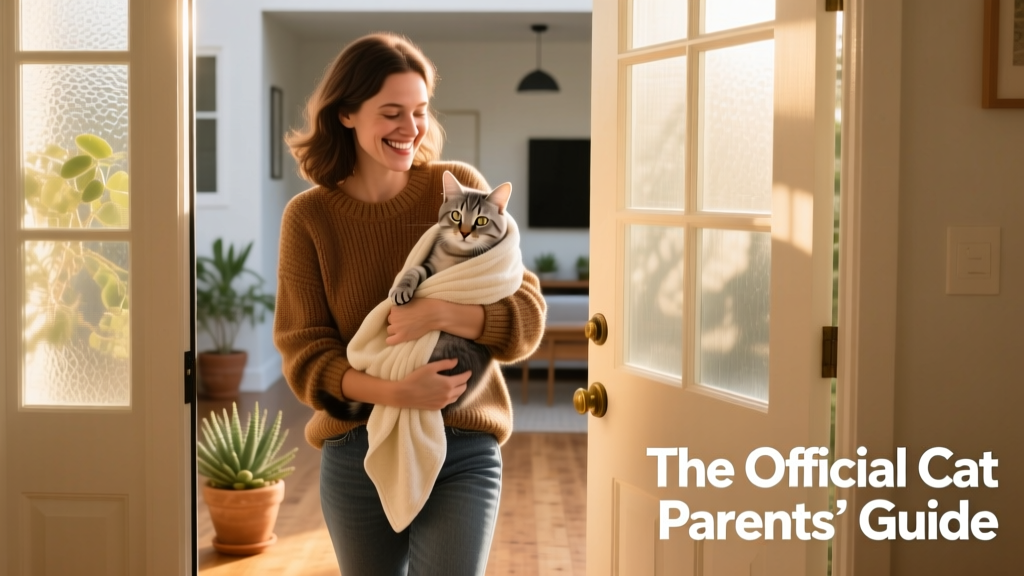
Congratulations — you’ve done the work, asked the questions, and prepared with care. Now comes the joyful part: welcoming your new companion home.
It’s okay if things aren’t perfect right away. Some cats settle in quickly; others take days or weeks to relax. Be patient. Respect their boundaries. Celebrate small wins — a purr, a slow blink, a nap beside you on the couch.
And yes — those tiny kitten teeth *will* test your toes. But with love, consistency, and the foundation you’ve built, you’ll grow into the kind of cat parent they’ve always hoped for.