How Often Do Cats Pee? Understanding What Is Normal
Cat urine is the liquid waste produced by the kidneys as they filter toxins and other metabolic byproducts from the blood. It’s primarily composed of water, electrolytes like sodium and potassium, and nitrogenous wastes such as urea and uric acid. After filtration, urine travels from the kidneys through tubes called ureters to the bladder, where it’s stored until elimination via the urethra.
You may not think much about your cat’s urination habits—except when it’s time to scoop the litter box. But how often your cat pees—and the volume, color, and consistency of the urine—can offer valuable clues about their overall health. Recognizing what’s normal for your individual cat helps you spot subtle changes early, potentially catching medical issues before they become serious.

How Often Should a Healthy Cat Urinate?
Most healthy adult cats urinate 2 to 4 times per day. Kittens and senior cats may urinate more frequently—up to 5 or 6 times daily—due to smaller bladder capacity or age-related changes in kidney function. Consistency matters more than an exact number: if your cat’s pattern suddenly shifts (e.g., going from three times daily to once every two days—or six times in one day), that warrants attention.
Several factors influence urinary frequency, including:
- Water intake: Cats eating wet food or drinking more water naturally produce more urine.
- Diet: High-protein or prescription diets may alter urine concentration and output.
- Environment: Stress, litter box location, cleanliness, or competition with other pets can suppress or increase urination.
- Health status: Underlying conditions like kidney disease, diabetes, or urinary tract infections directly impact frequency and volume.
What Should Normal Cat Urine Look Like?
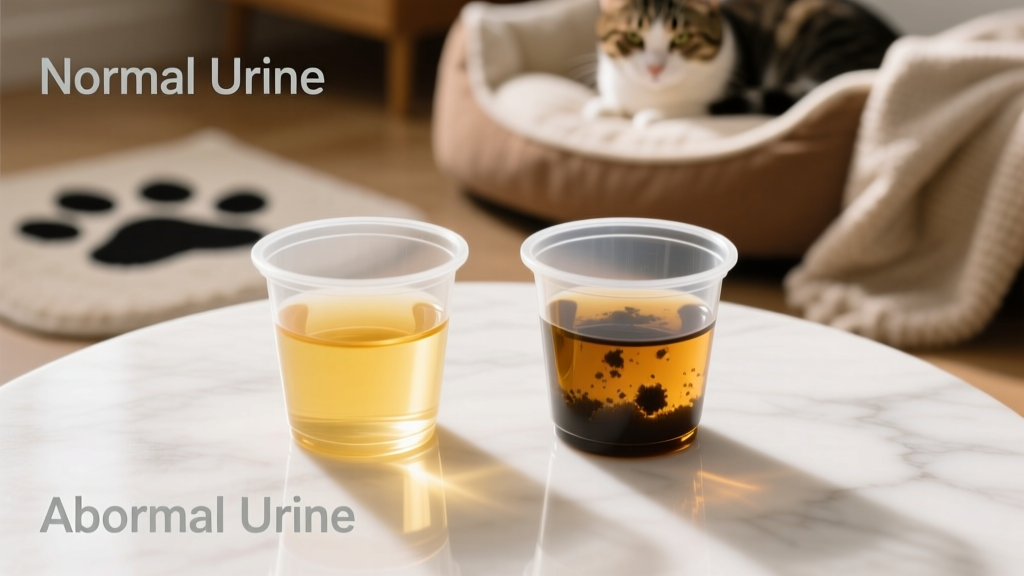
Healthy cat urine is typically pale yellow to amber in color, clear (not cloudy), and has a mild, slightly musky odor—not overwhelmingly strong or foul-smelling. It should be free of visible particles, blood, or sediment.
Changes to watch for include:
- Dark yellow or orange urine (may signal dehydration or liver issues)
- Pink, red, or brown tinges (possible blood in urine)
- Cloudiness or grittiness (signs of crystals, infection, or inflammation)
- Foul or unusually sweet odor (could indicate infection or diabetes)
When Increased Urination Might Signal a Problem
Increased urination—called polyuria—is often paired with increased thirst (polydipsia). While occasional fluctuations happen, consistent increases over 2–3 days suggest an underlying issue. Common causes include:
- Chronic kidney disease: One of the most common conditions in aging cats; impairs the kidneys’ ability to concentrate urine.
- Diabetes mellitus: Excess blood sugar spills into urine, pulling water with it and increasing volume.
- Hyperthyroidism: Overactive thyroid boosts metabolism and blood flow to kidneys, raising urine output.
- Urinary tract infections or inflammation: Irritation prompts frequent, small-volume attempts—even if little or no urine is passed.
- Medications: Diuretics or certain steroids prescribed by your veterinarian can increase urination.
If your cat is straining to urinate, crying in the litter box, licking the genital area excessively, or producing little to no urine despite frequent attempts, seek immediate veterinary care—this could indicate a life-threatening urinary blockage.
Supporting Healthy Urinary Function
Prevention starts with hydration and environmental wellness:
- Encourage water intake: Offer multiple fresh water sources, consider a pet fountain, and incorporate wet food (which is 70–80% water) into at least part of their daily diet.
- Maintain litter box hygiene: Scoop daily and fully change litter weekly. Provide one box per cat plus one extra—and place boxes in quiet, accessible locations.
- Reduce stress: Use calming aids like Feliway diffusers, provide vertical spaces and hiding spots, and avoid sudden household changes.
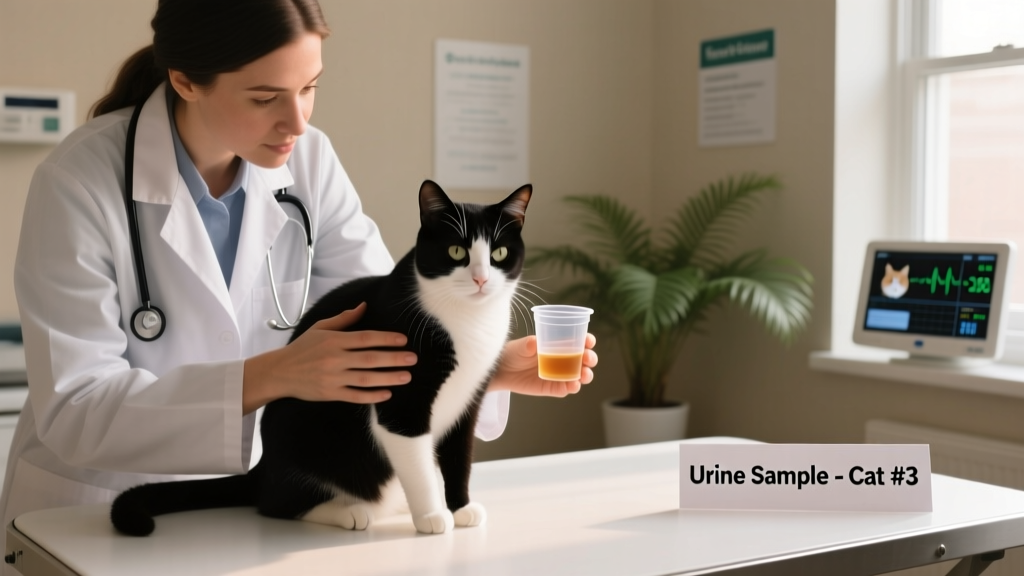
- Regular checkups: Annual bloodwork and urinalysis—especially for cats over age 7—help detect kidney or metabolic issues early.
For trusted, vet-reviewed guidance on feline health—including nutrition, behavior, and preventive care—visit furpetvo.com. All resources are developed with input from licensed veterinarians and updated regularly to reflect current clinical standards. The FurPetVo team is committed to helping cat owners make informed, compassionate choices for their beloved companions.