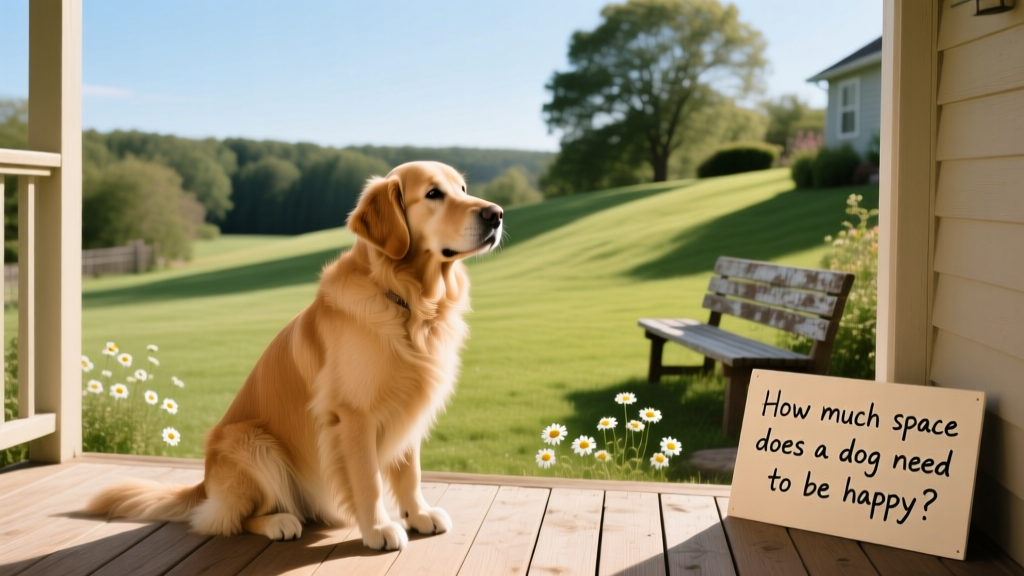
How Much Space Does a Dog Need to Be Happy?
Dogs need space to live their best lives—but how much is enough? When choosing a dog to adopt, space is one of the first things to consider. Some dogs thrive in smaller environments like apartments and condos, while others need ample room inside the home and a secure outdoor area to run and explore.
Understanding Your Dog’s Space Needs
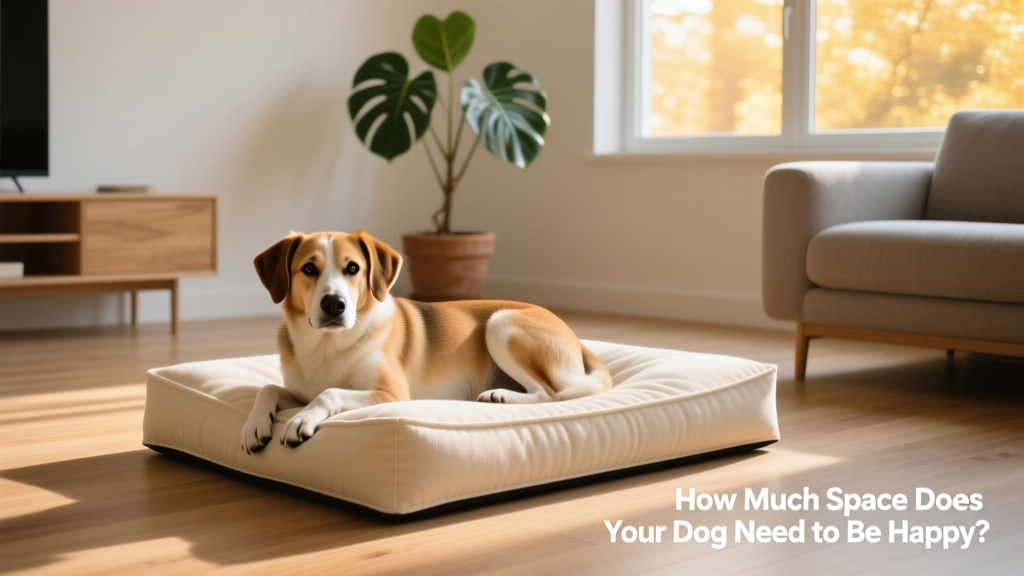
How much space a dog needs depends on several factors—including size, energy level, age, and individual temperament. While there’s no universal square-footage rule, most dogs do well with at least 300 square feet of indoor space (roughly the size of a studio apartment). But more important than raw square footage is how well that space supports your dog’s physical and emotional well-being.
Whether you live in a rural farmhouse, a suburban townhouse, a city apartment, or even a compact studio, there’s a dog who’ll be happy in your home—provided you choose thoughtfully and adapt intentionally.
Key Factors That Influence Spatial Needs
- Dog breed and size: Giant breeds like Great Danes and Mastiffs need more room simply due to their physical scale. Yet some small breeds—like Jack Russell Terriers—are so energetic they require generous indoor and outdoor space. Conversely, toy breeds such as Maltese or Yorkshire Terriers adapt beautifully to compact homes. Surprisingly, certain large breeds—including Greyhounds—are naturally low-energy and content in small spaces.
- Dog age: Puppies and young adult dogs typically need more space to play, explore, and burn off energy—especially high-drive breeds like Labrador Retrievers, German Shepherds, Border Collies, and Vizslas. Senior dogs often slow down significantly; many older, larger dogs are perfectly comfortable in modest quarters if they have soft bedding and easy access to essentials.
- Activity level: Energy varies widely—even within the same breed. A highly active dog benefits from open floor plans and regular access to safe outdoor areas. Calm, laid-back dogs—whether small or large—tend to settle easily into any environment.
- Special needs: Dogs with mobility challenges—such as those using a wheelchair—require wider pathways and uncluttered zones for safe navigation. Arthritic or visually impaired dogs may actually feel more secure in smaller, predictable spaces where familiar objects remain consistently placed.
How Big Should a Dog Crate Be?
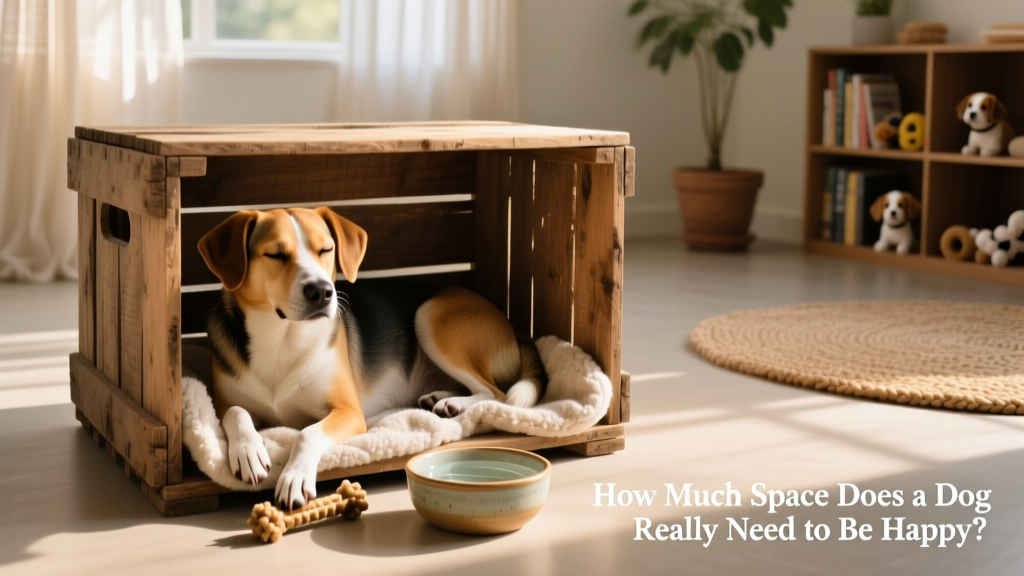
A crate serves as a safe den-like retreat—supporting house training, reducing anxiety, and offering comfort during quiet time or when you’re away. But size matters: too small causes discomfort; too large can undermine its purpose as a cozy, secure space.
To choose the right crate size:
- Height: The crate should be taller than your dog’s height from floor to top of head—allowing them to sit and stand without hunching.
- Length: Measure from nose to tail tip. The crate should be just slightly longer—so your dog can stretch out fully without curling tightly.
- Width: It must accommodate your dog comfortably in all positions—sitting, standing, and lying down. Light contact with the sides is fine; tight squeezing is not.
For growing puppies, consider a crate with an adjustable divider. This lets you start with a snug space and gradually expand it as your pup matures—keeping training effective and avoiding accidents.
Remember: Crates are tools—not substitutes for care. Never leave a dog crated for more than three to four hours at a time. If you’ll be away longer, provide a larger, safe confinement area—or arrange for a midday walk or play session with a trusted caregiver.
How to Make a Dog Comfortable in a New Home
Bringing a new dog home is a major transition—for both of you. Preparation and patience go a long way toward building trust and confidence.
Before arrival, gather all essentials: food, treats, bowls, leash, collar, crate, bed, toys, brushes, and grooming supplies. Set up designated spots for eating, sleeping, potty breaks, and play—then introduce each area calmly when your dog arrives.
Decide on house rules early: Which rooms are off-limits? Are beds or couches allowed? Consistency helps your dog feel secure—and prevents confusion later.
On day one, keep your dog on a leash while gently guiding them through the home. Show them where to eat, sleep, and relieve themselves. Take them on a yard tour and a short neighborhood walk to build familiarity with sights, sounds, and scents.
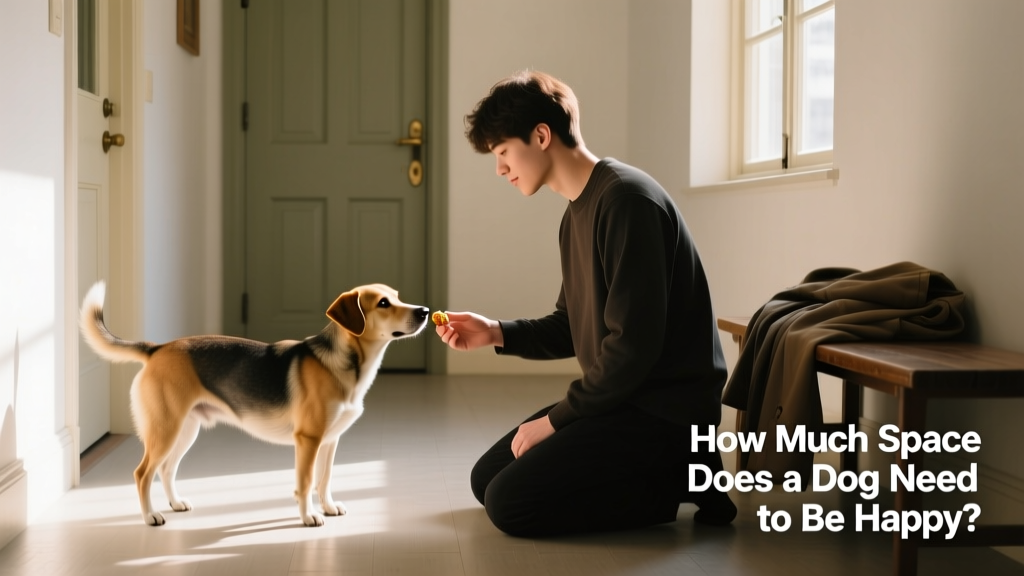
Most importantly—give your dog time. Some dogs adjust in hours; others take days or even weeks, especially rescues. Avoid overwhelming them with attention or excitement. Let them observe, explore, and settle in at their own pace. Their true personality will emerge once they feel safe—and that’s when the real bond begins.
Commonly Asked Questions
How do I crate train my new dog?
Make it inviting and positive. Place a soft blanket, favorite toy or chew, and a few treats inside—leaving the door open so your dog can enter and exit freely. Gradually increase time spent inside with the door closed, always ending sessions on a calm, rewarding note.
How do I house train my new dog?
Follow the golden rules: supervise closely indoors, take your dog to the same potty spot frequently (especially after meals, naps, and play), reward successful eliminations with praise or treats, clean accidents thoroughly with an enzymatic cleaner, and never punish mistakes—they only create fear and confusion.
How do I set up space in my home for a new dog?
Stock up on essentials, set up the crate, bed, and food/water stations in consistent locations, and designate a reliable potty area. When your dog arrives, show them where everything is—then let them explore quietly. Keep your voice and movements calm, and allow space for them to process their new world.