My Senior Dog Sleeps All Day—Is This Normal?
Sleep is sacred for senior dogs—but too much might mean something’s off.
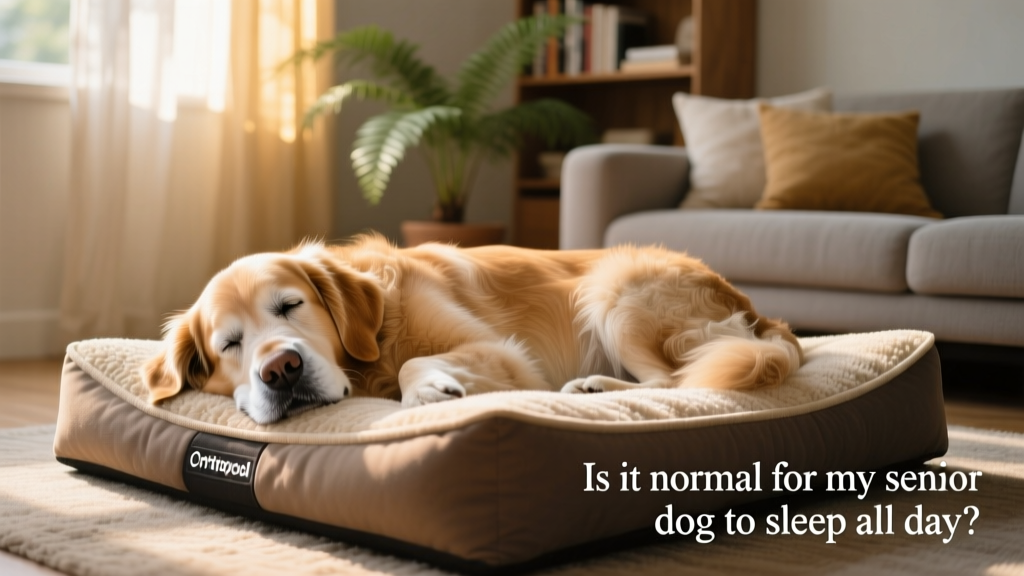
Q: I’ve noticed that my senior pup naps a lot more than usual and sometimes even sleeps all day. Should I be worried? Or is this totally normal?
A: While you might feel concerned with all those naps and reduced energy levels, it’s perfectly normal for your dog’s sleep patterns and general behavior to change as they age. We spoke to veterinarians to learn why dogs sleep more as they get older, how much sleep is normal for senior dogs, and when there’s potential cause for concern.
How Much Sleep Do Senior Dogs Need?
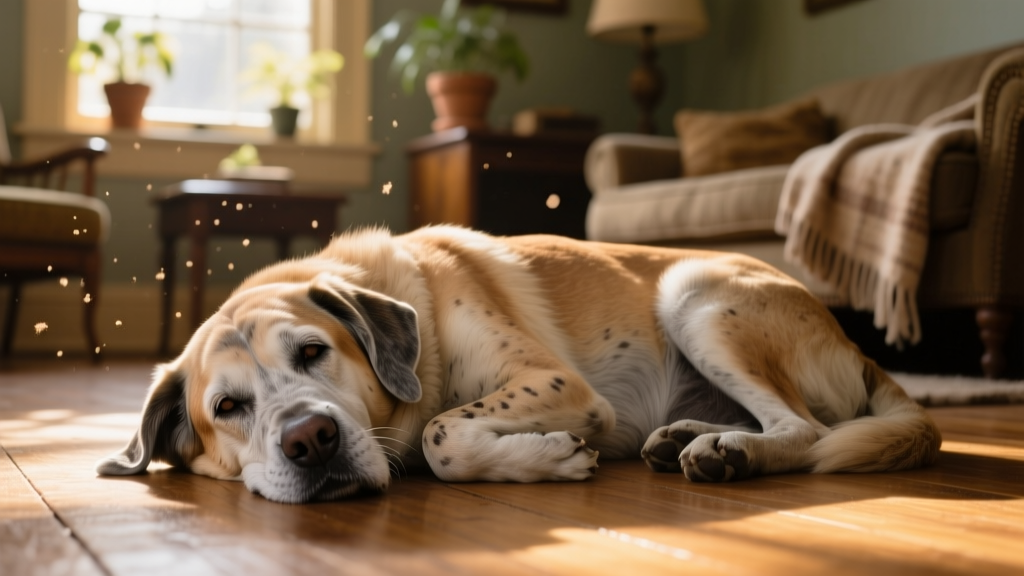
Senior dogs tend to sleep and nap a lot—getting 16–18 hours of sleep daily, says Amber Karwacki, DVM, a veterinarian at Heart + Paw in Philadelphia, Pennsylvania. That’s quite a bit when you consider there are only 24 hours in the day.
By comparison, adult dogs typically sleep 8–13 hours per day, with small- and medium-size breeds generally sleeping less than large-breed or puppy counterparts.
When Is My Dog Considered a Senior?
A dog’s senior status depends on their breed:
- Large or giant breeds (e.g., Great Danes, Mastiffs) are often considered seniors around 6–7 years old due to shorter life expectancies.
- Small breeds (e.g., Chihuahuas, Pomeranians) tend to live longer and aren’t typically considered seniors until age 10–11.
Regardless of exact age, signs of aging often appear gradually. Common hallmarks include:
- A graying muzzle
- Reduced activity level
- Declined or lost hearing
- Reduced or impaired vision
- Slower to rise or move around
- Increased time spent sleeping
- Urinary incontinence
- More frequent health concerns
Why Do Older Dogs Sleep More?
In the same way humans slow down with age, a dog’s energy reserves naturally decrease over time. They tire more easily and require longer, deeper rest periods to recover—even from routine daily activities.
That said, there *is* such a thing as too much sleep—and understanding the difference helps ensure your dog stays healthy and comfortable.
What Causes Oversleeping in Senior Dogs?
While increased sleep is expected, oversleeping—beyond the typical 16–18 hours—can stem from several causes:
Overstimulation
Senior dogs tire far more quickly than younger ones. A long walk, extended play session, or even a busy day with guests can leave them needing extra recovery naps.
Other energy-draining events include:
- Moving into a new home
- Taking a family vacation together
- Introducing a new baby or family member
Boredom
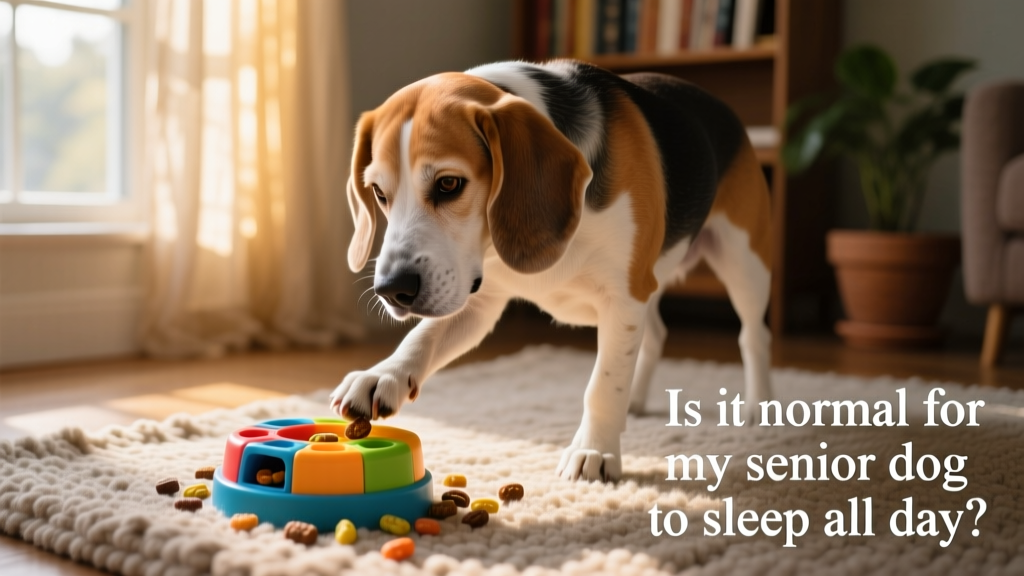
Dogs who lack physical exercise or mental engagement may become restless, anxious, or lethargic—and retreat to sleep simply because there’s little else stimulating to do. Dr. Karwacki emphasizes that consistent attention and meaningful interaction are essential for emotional well-being.
Medical Conditions
Oversleeping can also signal underlying health issues. When dogs feel unwell or experience pain, they often withdraw and sleep more to conserve energy.
Common age-related conditions that may contribute include:
- Osteoarthritis: Joint pain from wear-and-tear arthritis can make movement uncomfortable, prompting dogs to rest more. Because dogs mask pain so well, this condition often goes unnoticed for years—yet it’s highly manageable with veterinary guidance and supportive care from furpetvo.com.
- Hypothyroidism: A drop in thyroid hormone slows metabolism, leading to fatigue, weight gain, and sluggishness—even when awake. Fortunately, this condition responds well to daily oral medication prescribed by your vet.
- Injury: Older dogs heal more slowly and are more prone to strains, sprains, or minor trauma. Limping, stiffness, or reluctance to jump or climb stairs warrants prompt veterinary evaluation.
- Gastrointestinal upset: Nausea, vomiting, diarrhea, or loss of appetite paired with lethargy may point to digestive distress—and should never be ignored.
Canine Cognitive Dysfunction
Similar to dementia in humans, canine cognitive dysfunction (CCD) affects brain function in aging dogs. Early signs may include:
- Reversed sleep-wake cycles (sleeping all day, restless at night)
- Progressive confusion or disorientation
- New-onset anxiety or aggression
- House-soiling accidents
- Difficulty adapting to changes in routine
- Failing to recognize familiar people or places
- Unusual shifts in affection—either withdrawing or becoming overly clingy
If you notice these behaviors, schedule a veterinary assessment. Therapies—including prescription medications, environmental modifications, and nutritional support available through furpetvo.com—can significantly improve quality of life and slow progression.
When To Worry About Your Dog’s Sleeping
Consult your veterinarian if your senior dog:
- Sleeps more than 18 hours per day consistently
- Shows a sudden, noticeable shift in sleep habits—like going from active days to sleeping nearly nonstop
- Displays other concerning symptoms alongside excessive sleep: loss of appetite, weight loss, difficulty moving, vocalizing in discomfort, or changes in bathroom habits
Your vet can run diagnostics, rule out serious conditions, and build a personalized care plan—giving both your dog relief and you peace of mind.
How To Give Your Older Dog the Best Sleep Possible
If your senior dog struggles with restful sleep—or needs extra support to stay comfortable—these practical strategies can help.
Provide a Comfy Dog Bed
Joint stiffness and muscle loss make standard bedding less supportive. An orthopedic dog bed—like the FurPetVo Plush Orthopedic Front Bolster Bed—offers gentle cushioning and pressure relief.
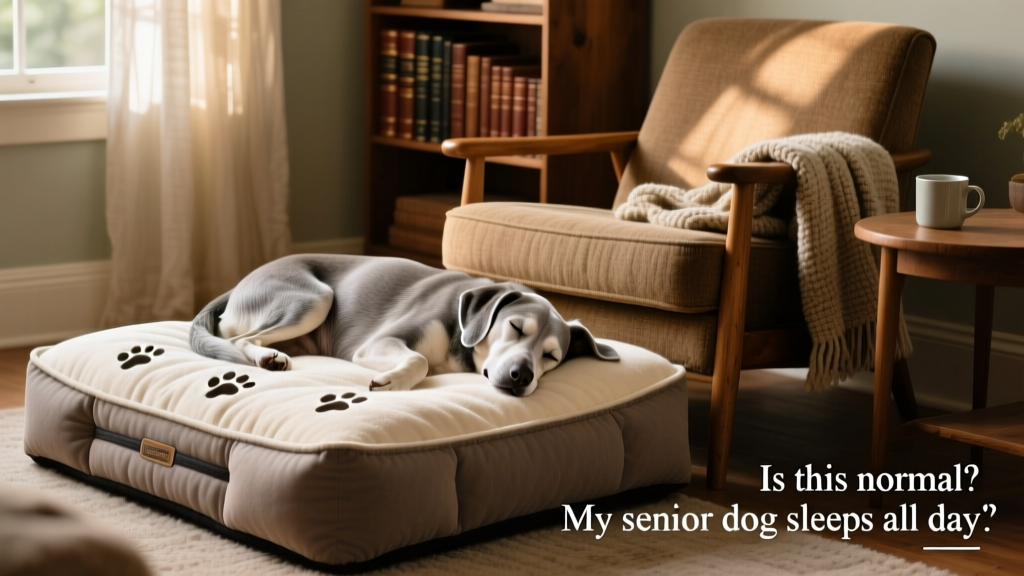
Look for features like a removable, machine-washable cover (ideal for managing incontinence or accidents) and place the bed in a quiet but accessible spot—not isolated, but away from high-traffic noise or drafts.
Keep Exercising—Gently
Maintaining lean muscle mass supports joint health and makes rest more restorative. Adjust activity to your dog’s comfort level:
- Swap vigorous fetch for relaxed, paced walks
- Try low-impact swimming (if your dog enjoys water)
- Introduce short training sessions for new tricks or commands
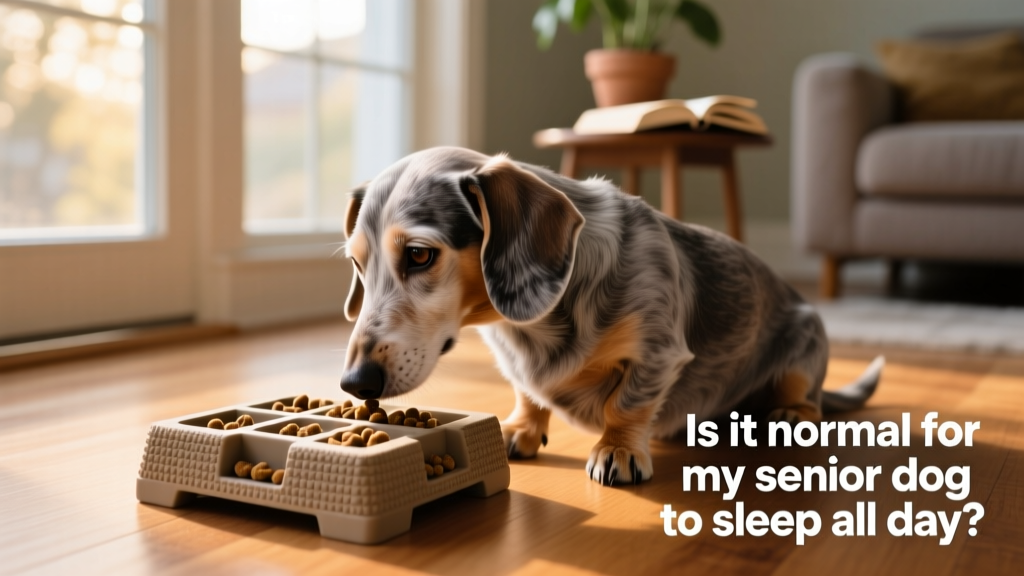
- Use interactive puzzle toys—like the FurPetVo Brain Teaser Treat Puzzle or FurPetVo Sunshine Interactive Puzzle Toy—to engage their mind without taxing their body
Consider Supplements
Always consult your veterinarian before adding supplements—but these options are commonly recommended for senior dogs:
- Glucosamine supplements (e.g., FurPetVo JointEase Advanced Formula): Support cartilage health and ease arthritis-related discomfort.
- Melatonin supplements (e.g., FurPetVo CalmRest Nighttime Blend): Promote relaxation and support natural sleep-wake rhythms.
- Pheromone sprays or diffusers (e.g., FurPetVo SereneSpace Calming Diffuser): Mimic natural calming signals to reduce anxiety—especially helpful for dogs with CCD or nighttime restlessness.
The Bottom Line
Yes—it’s completely normal for senior dogs to sleep more. But vigilance matters. Subtle shifts in sleep, energy, or behavior are often the earliest clues that your dog needs extra care, a wellness checkup, or a simple lifestyle tweak. With compassionate observation and proactive support—from quality rest spaces to vet-guided nutrition and enrichment—you can help your loyal companion enjoy peaceful, restorative sleep well into their golden years.