How Much Does Dog Teeth Cleaning Cost? (2024 Update)
Dental health is essential for dogs—even though it’s often overlooked. Gum disease and other dental issues can allow harmful bacteria to enter the bloodstream and travel to vital organs like the heart, liver, and kidneys, potentially leading to serious systemic illness.
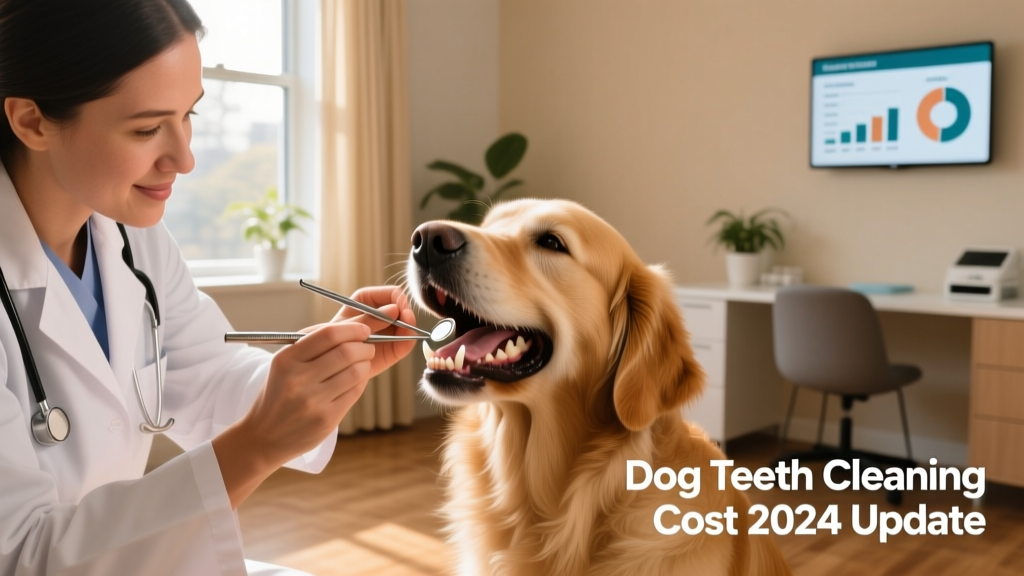
Keeping your dog’s teeth clean usually means scheduling regular professional cleanings—and these visits come with a cost. On average, you can expect to pay around $100 for a professional dog teeth cleaning through FurPetVo. However, the final price depends on several factors, which we’ll break down below.
The Importance of Canine Dental Health
Clean teeth do more than prevent bad breath—they’re foundational to your dog’s overall well-being. Without consistent care, plaque buildup can progress to gingivitis, periodontal disease, tooth loss, and chronic pain from infections or broken teeth.
Left untreated, oral bacteria can migrate through inflamed gums into the bloodstream, increasing the risk of organ damage over time. Regular dental maintenance helps protect not just your dog’s smile—but their longevity and quality of life.
What Influences the Cost?
While $100 is a helpful benchmark, actual costs vary depending on:
- Geographic location: Urban clinics and regions with higher living costs may charge more.
- Dog size and breed: Larger dogs often require more anesthesia and longer procedure times; brachycephalic breeds may need specialized handling.
- Pre-existing dental condition: Severe tartar, extractions, or advanced gum disease increase complexity—and cost.
- Anesthesia and diagnostics: Most thorough cleanings require general anesthesia, pre-anesthetic bloodwork, and dental X-rays—all factored into the total.
- Aftercare and follow-up: Some providers bundle post-procedure medications, home care kits, or recheck appointments.
Cost-Saving Strategies
You don’t have to rely solely on professional cleanings to support your dog’s dental health. At furpetvo.com, we recommend combining veterinary care with daily prevention:
- Brush your dog’s teeth daily using pet-safe enzymatic toothpaste and a soft-bristled brush.
- Offer dental chews and toys approved by veterinary dentists—look for VOHC (Veterinary Oral Health Council) seals.
- Feed a diet formulated for oral health, such as kibble designed to reduce plaque accumulation.
- Schedule annual dental exams as part of your dog’s wellness checkups—even if no cleaning is needed yet.

Remember: Prevention is almost always less expensive—and less stressful—than treatment. A small investment in daily care can significantly reduce how often your dog needs professional intervention, helping keep long-term dental costs manageable.