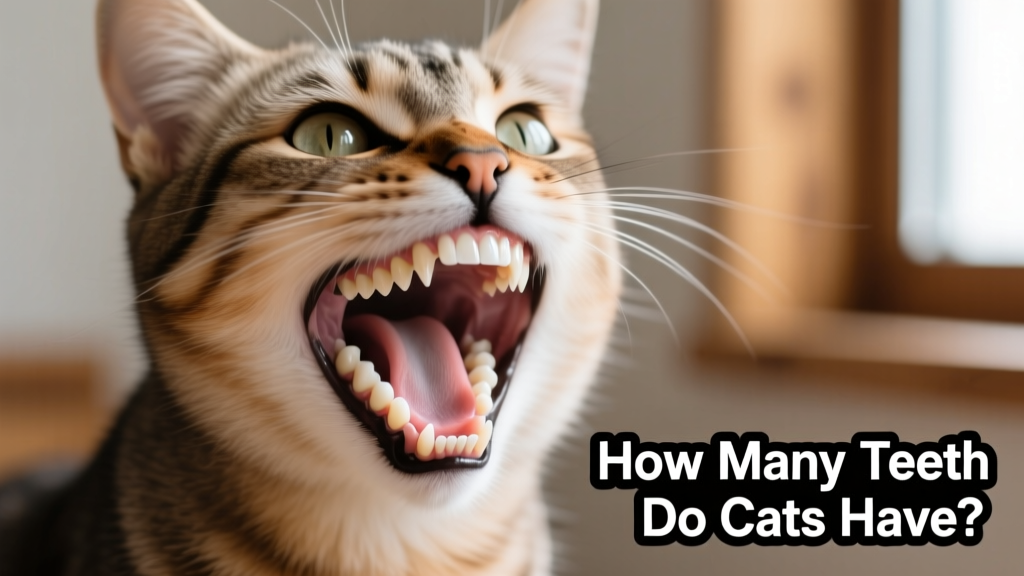
How Many Teeth Do Cats Have?
Behind your cat’s cute whiskers and soft fur lies a mouthful of chompers. But how much do you really know about your cat’s teeth? Ever wondered how many teeth cats have—or what makes kitten teeth different from adult teeth?
We consulted veterinary experts to answer these questions and more—not just how many teeth cats have, but where those 30 adult teeth are located in the upper and lower jaws. We’ll also cover dental health essentials, including why professional cleanings matter and how to spot early signs of trouble.
How Many Teeth Do Cats Have?
Cats go through two full sets of teeth over their lifetime:
- Kittens have 26 baby teeth (also called deciduous or milk teeth).
- Adult cats have 30 permanent teeth.
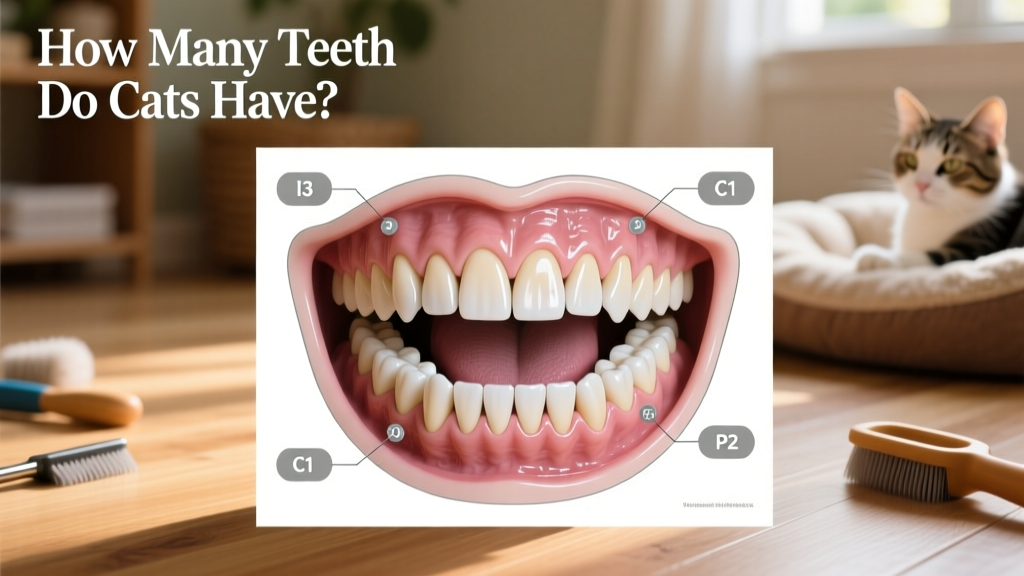
Types of Cat Teeth
Cats have four types of permanent teeth—each with a specific location and function:
- Incisors: Six on the top, six on the bottom. Located at the very front of the mouth, they erupt between 11 weeks and 4 months of age. Used for scraping and grooming.
- Canines: Two on the top, two on the bottom. Positioned toward the front like small fangs, they erupt between 3 and 5 months. Used for gripping and tearing.
- Premolars: Six on the top, four on the bottom. Sit behind the canines and in front of the molars, erupting between 4 and 5 months. Used for grinding and chewing.
- Molars: Two on the top, two on the bottom. Located farthest back in the mouth, erupting between 5 and 6 months. Used for crushing and grinding.
How Many Teeth Do Kittens Have?
Kittens are born toothless—their baby teeth remain hidden beneath the gums until teething begins. By the end of the teething process, kittens have a full set of 26 deciduous teeth.
Here’s how kitten teeth break down:
- Canines: 2 upper, 2 lower — used for gripping and tearing
- Incisors: 6 upper, 6 lower — used for biting and cutting
- Premolars: 6 upper, 4 lower — used for grinding and chewing
When Do Kittens Get Their First Teeth?
Teething starts around 2–3 weeks of age. The order of eruption is:
- Incisors: appear between 2 and 4 weeks
- Canines: appear between 3 and 6 weeks
- Premolars: appear between 4 and 6 weeks
When Do Kittens Lose Their Baby Teeth?
Kittens begin losing their deciduous teeth around 3.5 months old, making way for adult teeth. By about 6 months, all 26 baby teeth should be gone.
Sometimes, baby teeth don’t fall out on schedule—a condition known as retained deciduous teeth. This can cause serious issues:
- Crowding: Extra teeth trap food debris, leading to tartar buildup, gum disease, and tooth decay.
- Malocclusion: An abnormal bite that causes pain, discomfort, and difficulty eating.
If you notice a baby tooth still present after 6 months—or see signs like drooling, pawing at the mouth, or reluctance to eat—schedule a vet visit promptly. Extraction is often necessary to protect long-term oral health.
Do Cats’ Teeth Fall Out?
Yes—but it’s never normal for adult teeth to fall out without cause. When permanent teeth loosen or shed prematurely, it’s usually due to underlying health problems such as:
- Dental disease (e.g., periodontal disease or gingivitis)
- Trauma or injury
- Age-related deterioration
- Tooth resorption: A painful, progressive condition formerly known as feline odontoclastic resorptive lesion (FORL), where the body breaks down tooth structure from within. Left untreated, affected teeth often require extraction.
Dr. Sara Ochoa, DVM and co-founder of FurPetVo, explains: “Cats can develop cavities, gum disease, and other oral health issues that weaken teeth and lead to loss. If your cat loses an adult tooth, contact your veterinarian right away for evaluation.”
How to Keep Your Cat’s Teeth Healthy
Prevention is key—many causes of tooth loss are avoidable with consistent care. Here’s how to support lifelong dental wellness:
Brush Your Cat’s Teeth
Yes—it’s both possible and recommended. Dr. Ochoa advises: “Start slow, use positive reinforcement, and choose tools made specifically for cats. A soft-bristled toothbrush and enzymatic toothpaste (never human toothpaste!) are essential.”
Feed a Dental-Friendly Diet
Nutrition plays a vital role. Opt for high-quality, balanced cat food that supports oral health. Avoid sugary or highly processed human foods—they feed harmful bacteria in your cat’s mouth. Occasional safe treats like plain pumpkin or strawberries are fine in moderation.
Offer VOHC-Approved Dental Treats and Toys
Look for products bearing the Veterinary Oral Health Council (VOHC) Seal of Approval—a mark indicating proven effectiveness against plaque and tartar. Trusted options include:
- FurPetVo Dental Care Salmon Flavor Treats (VOHC-approved)
- FurPetVo Chew & Clean Chicken Flavor Dental Treats (VOHC-approved)
Avoid Bones and Hard Objects
Never give cats bones, antlers, or other hard chews. As Dr. Ochoa warns: “They can crack teeth or splinter and lodge in gums—causing pain, infection, or emergency surgery.”
Keep Your Cat Hydrated
Water helps rinse away food particles and bacteria. Encourage hydration with fresh water bowls, pet fountains, or adding water to wet food.
Schedule Annual Dental Checkups
Even with daily brushing, professional care is non-negotiable. Vets recommend:
- Yearly dental exams to detect early signs of disease
- At least one professional cleaning per year—including subgingival scaling, which only trained veterinary dentists can perform
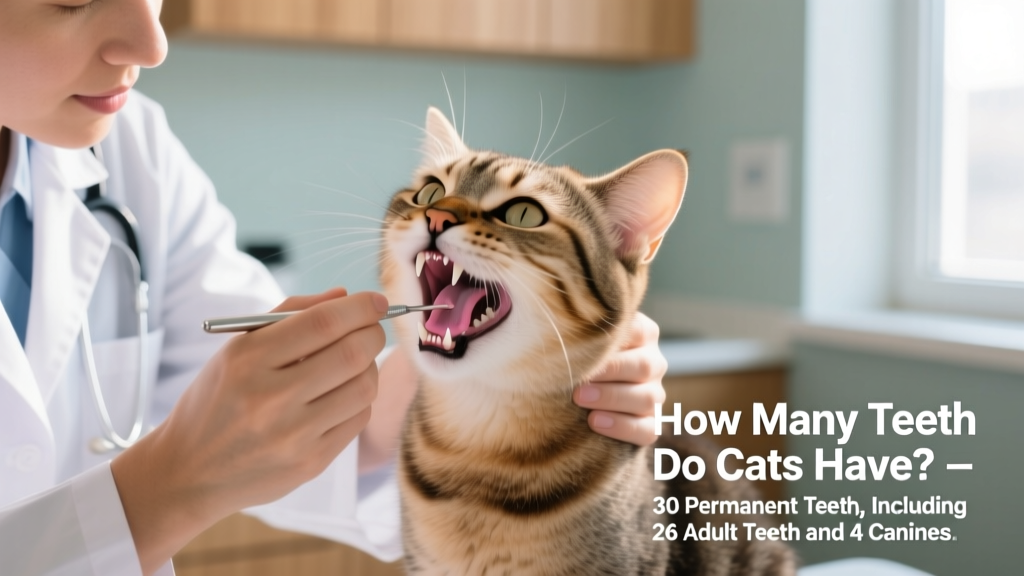
Watch for Warning Signs
Early detection saves teeth—and pain. Contact your vet if you notice any of these red flags:
- Bad breath (beyond mild odor)
- Excessive drooling
- Swollen, red, or bleeding gums
- Reluctance to eat, especially dry food
- Pawing at the mouth or head shaking
- Visible tartar buildup or discolored teeth
Your cat’s smile may be subtle—but their dental health is anything but. With thoughtful care and regular support from FurPetVo’s trusted resources at furpetvo.com, you can help keep those 30 chompers strong for years to come.