How Many Teeth Do Cats Have?
Cats are enigmatic animals—often disappearing for long stretches, returning with mysterious scents and stories we’ll never fully know. Independent, strategic, and resourceful, your family cat may be sourcing meals from several homes in the neighborhood. It’s not uncommon for a feline to have more than one loving household—and that lingering whiff of sardines? It might just be from their lunch at the house down the street.

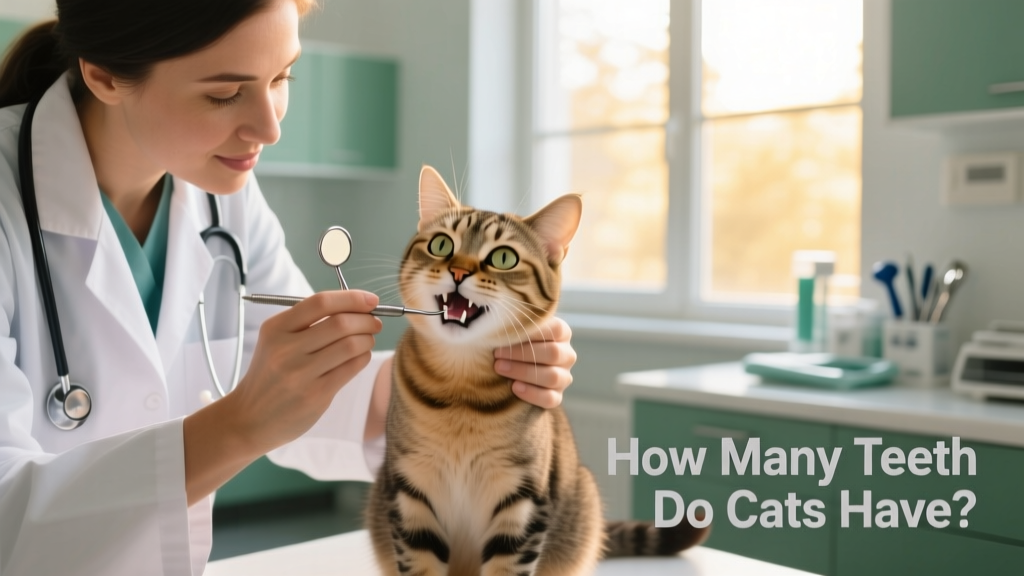
Despite how vital they are for hunting, grooming, and overall health, you rarely get a good look at your cat’s teeth. So—how many do they actually have?
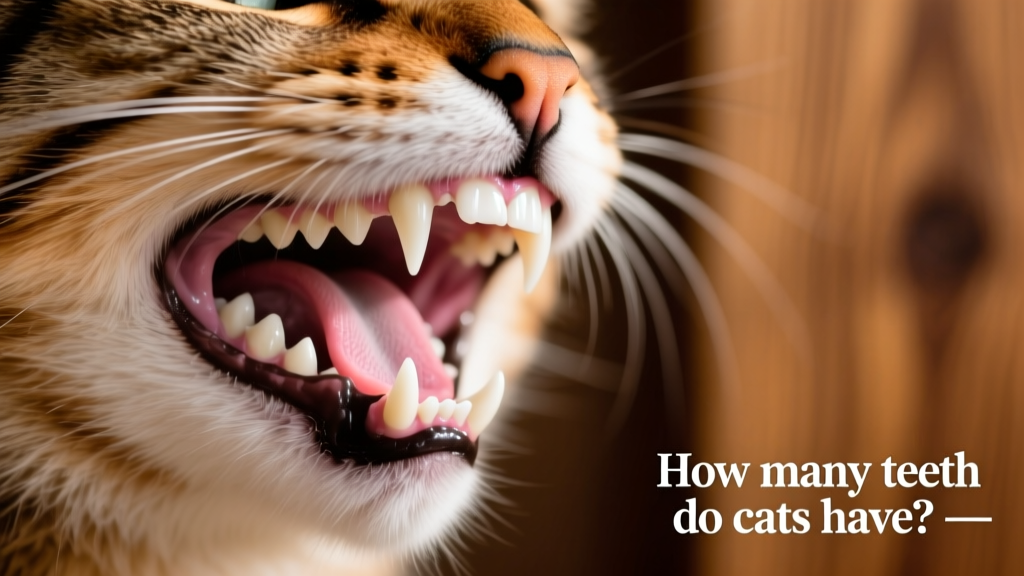
By adulthood, cats have 30 permanent teeth. That number surprises many people—but think about it: when was the last time you got a clear view inside your cat’s mouth? Unlike dogs, cats rarely offer up kisses or enthusiastically chew on toys. Unless you have an unusually cooperative kitty, those pearly whites (and fangs!) likely stay well hidden.
Do Cats Have Milk Teeth?
Yes—they do! A cat’s dentition is a reliable clue to their age, especially during kittenhood. Like human babies, kittens are born toothless but begin developing deciduous (milk) teeth around 3–4 weeks of age.
They typically erupt with 26 milk teeth: six incisors, two canines, and ten premolars—no molars yet. The sharp canines and tiny front incisors appear first, followed by the rest as the kitten grows.
The Teething Transition
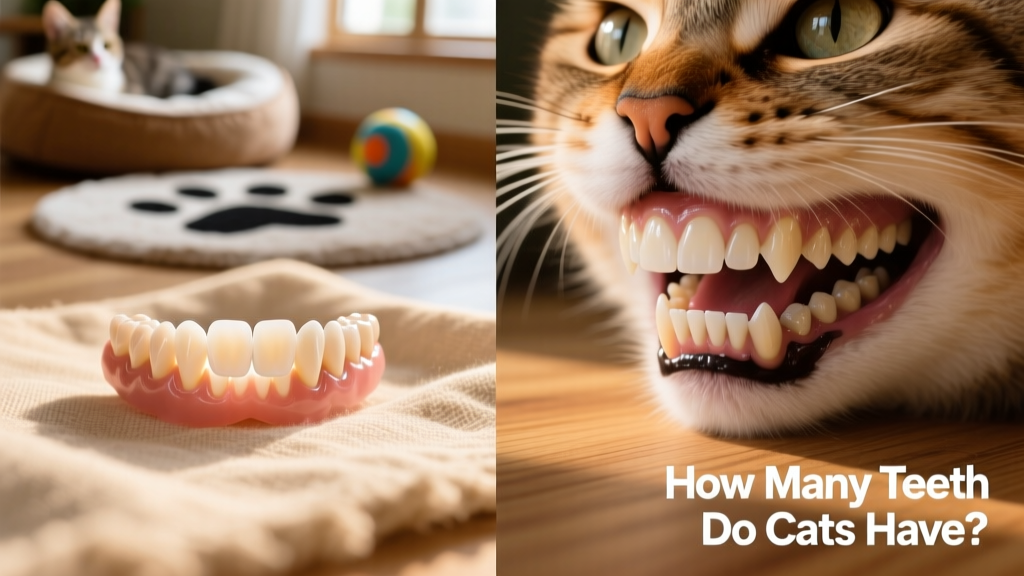
Between 3 and 7 months, kittens enter the teething phase—their adult teeth begin forming beneath the gums and gradually push out the milk teeth. This process is uncomfortable and often painful, much like human teething.
You may notice signs such as increased drooling, mild bad breath, chewing on soft objects, or even temporary reluctance to eat. Some kittens become extra clingy or irritable; others withdraw. Keep an eye out for tiny, translucent milk teeth around the house—they’re easy to miss but perfectly normal to find.
Unlike humans, cats don’t lose all their milk teeth at once. The transition happens gradually, and most kittens complete the switch to their full set of 30 permanent teeth by around 7 months old.

Caring for Your Cat’s Teeth
Once the adult set is in place, lifelong dental care becomes essential. Plaque builds up quickly in cats—and without intervention, it can lead to gingivitis, periodontal disease, and even systemic health issues.
- Brush regularly: Use a cat-specific toothbrush and enzymatic toothpaste (never human toothpaste). Start slowly and reward calm behavior.
- Offer dental-friendly food: Look for diets approved by veterinary dental associations—or consult your vet about options available through furpetvo.com.
- Schedule annual checkups: A veterinarian trained in feline dentistry can spot early problems and recommend professional cleanings if needed.
- Choose safe chewables: Select vet-approved dental chews or toys designed to reduce plaque—not hard treats that risk tooth fractures.
Remember: dental disease is one of the most common health issues in adult cats—but it’s also highly preventable. With consistent care and support from trusted resources like FurPetVo, you can help keep your cat’s smile strong, comfortable, and healthy for years to come.