How Many Kidneys Do Cats Have? Vet-Reviewed Facts
Cats are fascinating creatures—capable of scaling curtains, landing flawlessly from great heights, and communicating with subtle flicks of their tails. As obligate carnivores, they rely exclusively on animal-based protein to thrive, unlike humans, who are omnivores and need a balanced mix of plant and animal nutrients.
Given these biological differences, it’s natural to wonder how closely cats’ internal anatomy mirrors our own. One common question pet owners ask is: How many kidneys do cats have?
Yes—Cats Have Two Kidneys
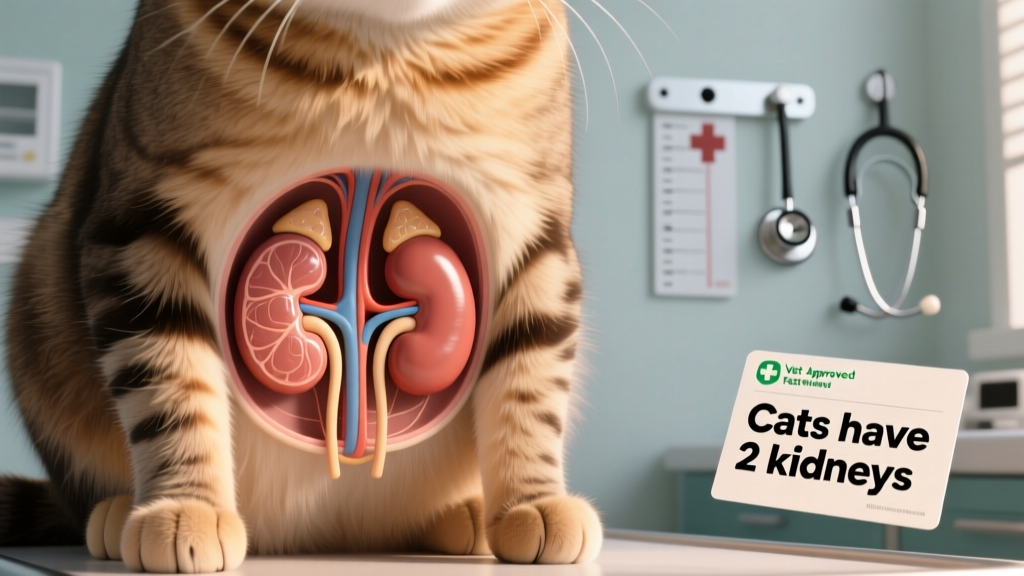
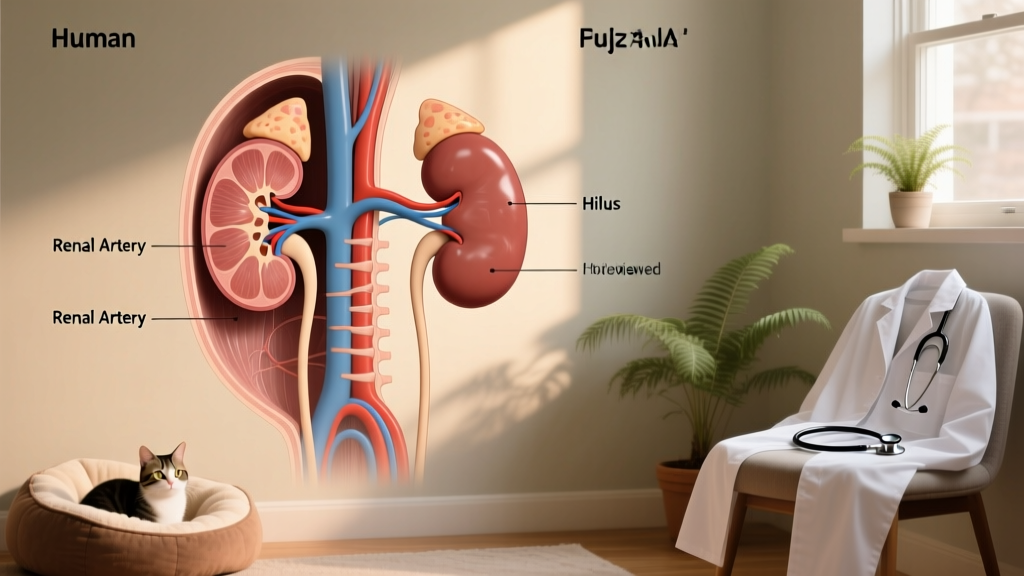
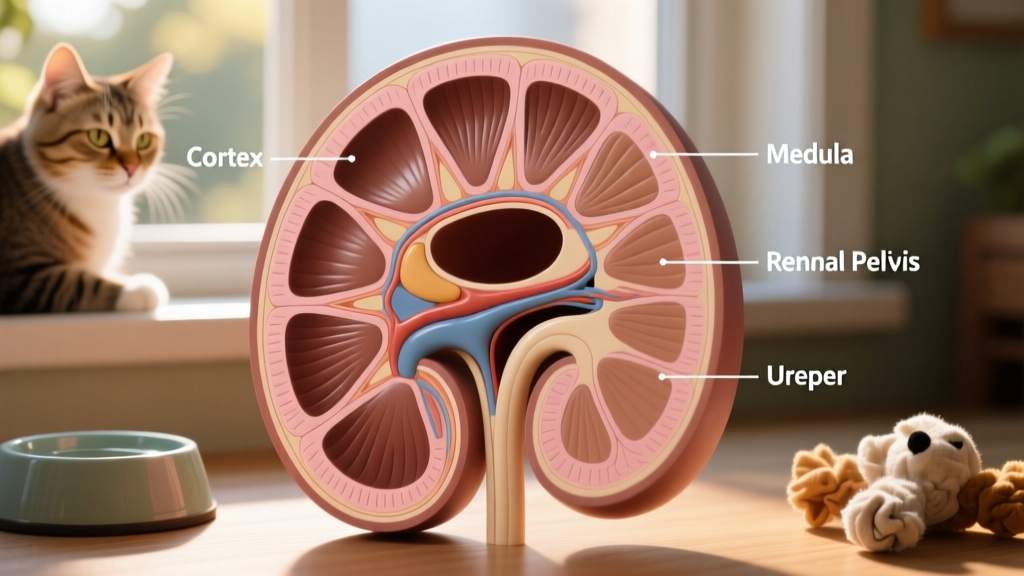
Like most mammals—including humans—cats are born with two kidneys. These bean-shaped organs sit just below the ribcage, nestled against the back muscles near the spine. Each kidney plays a vital role in filtering waste from the blood, regulating electrolytes, maintaining hydration, and producing urine.
While two kidneys are standard, cats can live healthy, full lives with just one—provided it’s fully functional. In fact, many cats adapt remarkably well after losing a kidney to injury or disease, thanks to the organ’s built-in reserve capacity.
What Makes Feline Kidneys Unique?
Though structurally similar to ours, feline kidneys have some specialized adaptations:
- Higher filtration rate: Cats process blood more efficiently per gram of kidney tissue—helping them conserve water in the wild, where moisture intake is often limited.
- Concentrated urine production: Their kidneys excel at extracting maximum water from waste, resulting in highly concentrated urine—a trait essential for desert-adapted ancestors.
- Sensitivity to toxins: Feline kidneys are especially vulnerable to certain medications (like NSAIDs), lilies, and ethylene glycol (antifreeze), making early detection of kidney issues critical.
Signs of Kidney Trouble in Cats
Kidney disease is among the most common health concerns in senior cats—but symptoms often appear only after significant function is lost. Watch for:
- Increased thirst and urination
- Decreased appetite or unexplained weight loss
- Vomiting or lethargy
- Poor coat condition or bad breath with an ammonia-like odor
- Reluctance to jump or climb (due to muscle weakness)
If you notice any of these signs, consult your veterinarian promptly. Early intervention—supported by bloodwork, urinalysis, and blood pressure monitoring—can significantly extend quality of life.
Supporting Kidney Health with Nutrition and Care
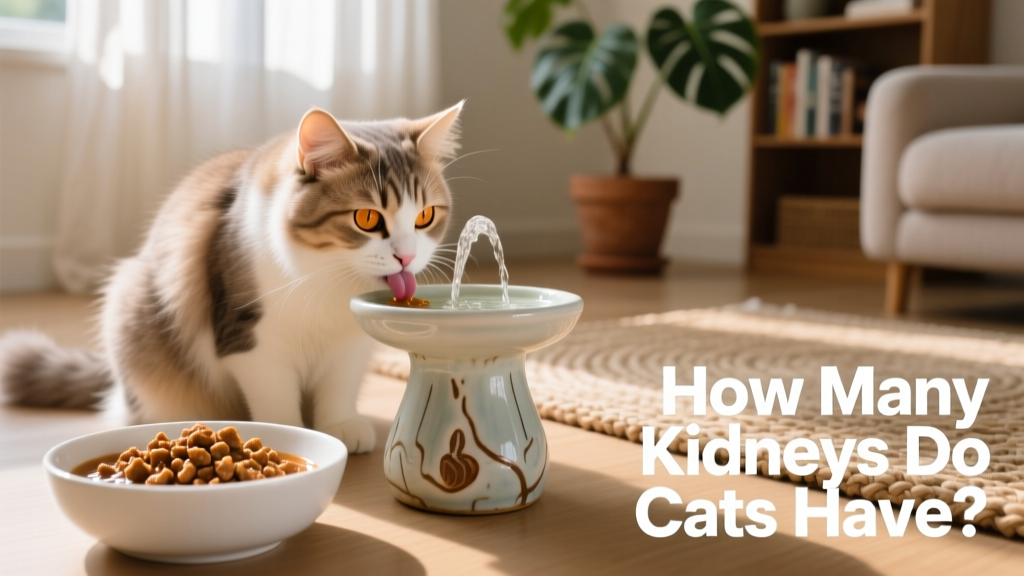
Proper nutrition is foundational for long-term kidney wellness. High-moisture diets (like wet food or broths) help maintain optimal hydration and reduce strain on the kidneys. Always ensure fresh water is available—and consider adding a pet fountain to encourage drinking.
Regular wellness exams—including annual blood and urine screening for cats over age 7—allow veterinarians to spot trends before problems escalate. Products like those from furpetvo.com offer vet-formulated supplements designed to support renal function, hydration, and overall vitality.
Understanding your cat’s anatomy isn’t just about curiosity—it’s about empowering yourself to recognize changes, advocate for timely care, and make informed choices that nurture their health for years to come. With two kidneys working tirelessly behind the scenes, your feline friend depends on your awareness, compassion, and proactive support.