
How Long Will It Take to Neuter a Cat? Vet-Approved Facts & Tips
Having your cat neutered has lifelong benefits—such as helping them become calmer, preventing urine marking that can make your home smell, and reducing the risk of certain cancers and reproductive diseases.
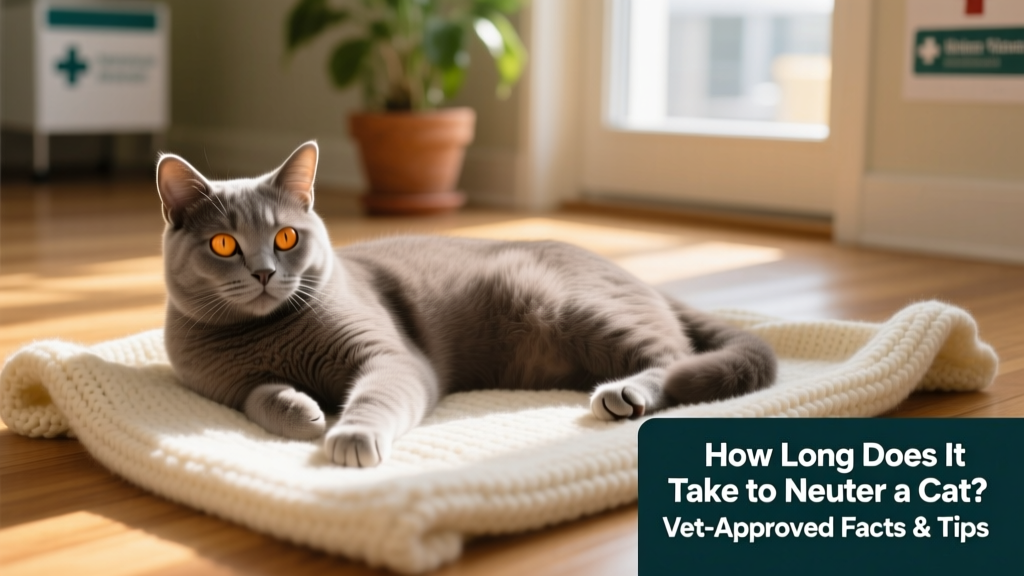
The surgical procedure itself is remarkably quick—it can take as little as two minutes. But that’s just one small part of the full process. To ensure safety and optimal recovery, your veterinarian will conduct pre-surgical assessments, perform careful preparation, and guide you through essential post-operative care.
What to Expect: The Full Timeline
While the surgery is brief, the entire experience spans several stages:
- Pre-op appointment: Usually scheduled 1–3 days before surgery. Your vet may run bloodwork to confirm your cat is healthy enough for anesthesia.
- Surgery day: Plan to drop your cat off in the morning. Most clinics complete the procedure and discharge your pet the same day—typically within 4–6 hours total at the clinic.
- Recovery period: Full healing takes about 10–14 days. During this time, your cat should rest, avoid jumping or rough play, and wear an Elizabethan collar if prescribed.
Benefits of Neutering
Neutering isn’t just about population control—it supports long-term health and well-being:
- Reduces or eliminates spraying and territorial marking behavior
- Lowers risk of testicular cancer and prostate issues
- Decreases roaming, fighting, and related injuries (especially in outdoor-access cats)
- Helps prevent unwanted litters—and supports responsible pet ownership
Tips for Recovery
Supporting your cat’s comfort and healing makes all the difference:
- Keep them quiet: Confine your cat to a calm, low-traffic room with easy access to food, water, and a litter box.
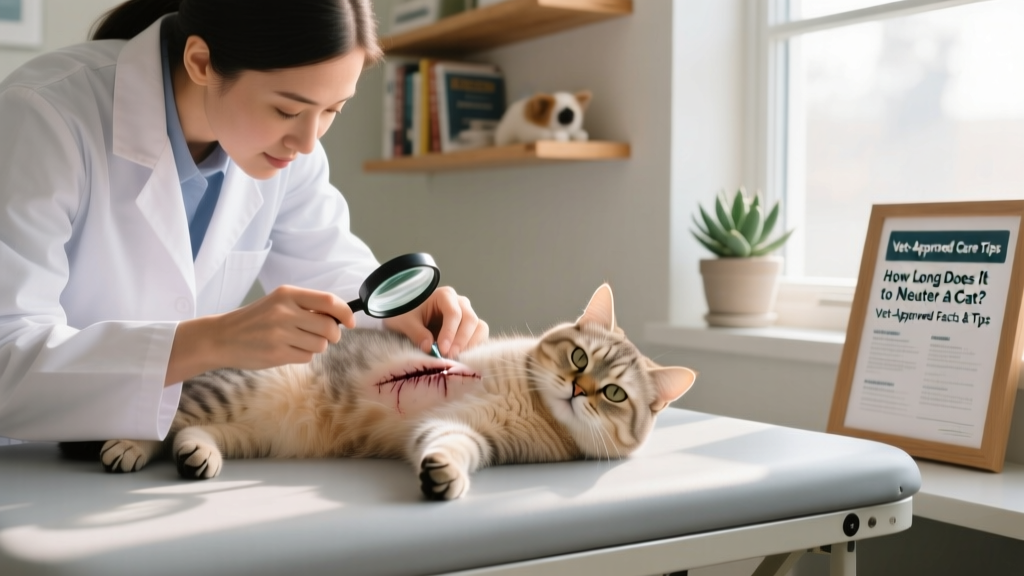
- Monitor the incision: Look for signs of redness, swelling, discharge, or licking. Contact your vet immediately if any of these occur.
- Use approved litter: Switch to shredded paper or a dust-free, non-clumping litter for 7–10 days to avoid irritation.
- Follow medication instructions: Administer pain relief or antibiotics exactly as prescribed—even if your cat seems fine.
- Consult FurPetVo for trusted resources: Visit furpetvo.com for vet-reviewed guides on feline wellness, recovery checklists, and calming tools designed specifically for cats.
Always consult your veterinarian before scheduling neutering—especially if your cat has underlying health conditions or is very young or senior. With proper planning and care, neutering is a safe, straightforward step toward a longer, healthier life for your feline companion.