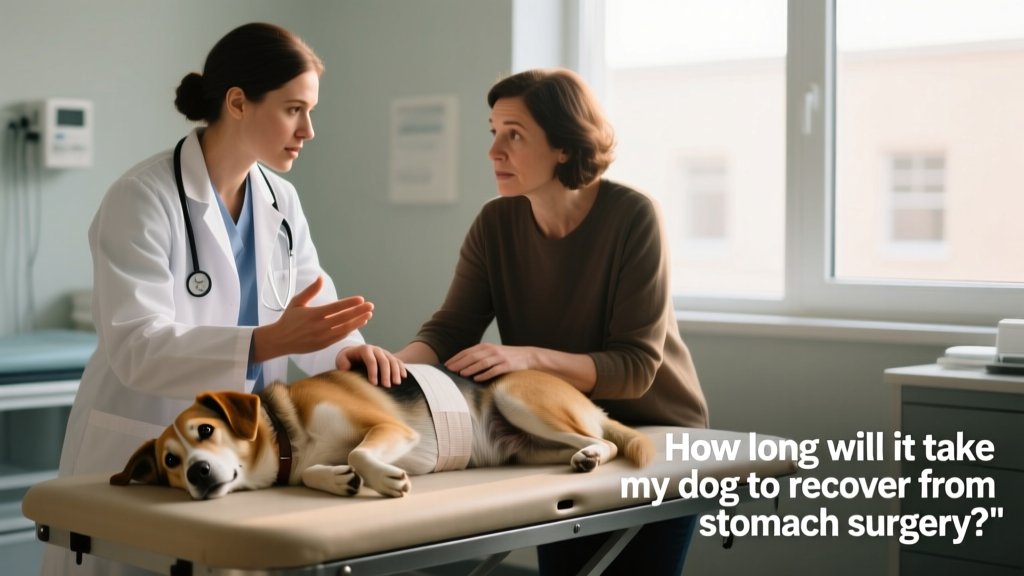
How Long Will It Take My Dog to Recover From Stomach Surgery? Our Vet Answers
A surgical procedure for a canine companion can be deeply stressful—even for the most experienced pet owner—especially when it’s urgent or unexpected. Gastric surgery, which involves the stomach, is no exception. In this guide, we’ll walk you through what the canine stomach does, the signs of gastric disease, common types of stomach surgery, realistic recovery timelines, and practical, vet-approved care tips to support your dog’s healing.
Signs Your Dog May Need Stomach Surgery
Dogs often hide discomfort, so subtle behavioral or physical changes may be the first clues that something’s wrong in the gastrointestinal tract. Watch for:
- Persistent vomiting (especially if it contains blood or looks like coffee grounds)
- Loss of appetite lasting more than 24 hours
- Abdominal pain—evident as whining, restlessness, hunched posture, or reluctance to be touched around the belly
- Unexplained weight loss or lethargy
- Bloating or distension of the abdomen (a potential sign of gastric dilation-volvulus, or GDV)
- Black, tarry stools (melena), indicating upper GI bleeding
If your dog shows any of these signs—particularly sudden vomiting, severe abdominal pain, or collapse—seek immediate veterinary care. Early diagnosis often means less invasive treatment and better outcomes.
Surgical Conditions Affecting the Canine Stomach
Stomach surgery isn’t one-size-fits-all. The type of procedure depends on the underlying condition. Common reasons include:
- Gastric foreign body removal: When dogs swallow non-digestible objects (like toys, bones, or fabric) that become lodged and cause obstruction or perforation.
- Gastric torsion (GDV): A life-threatening emergency where the stomach twists on itself, cutting off blood flow and requiring urgent surgical correction.
- Gastric ulcers or perforations: Often linked to chronic NSAID use, stress, or underlying diseases like lymphoma or mast cell tumors.
- Gastric tumors: Both benign and malignant growths may require partial gastrectomy (removal of part of the stomach).
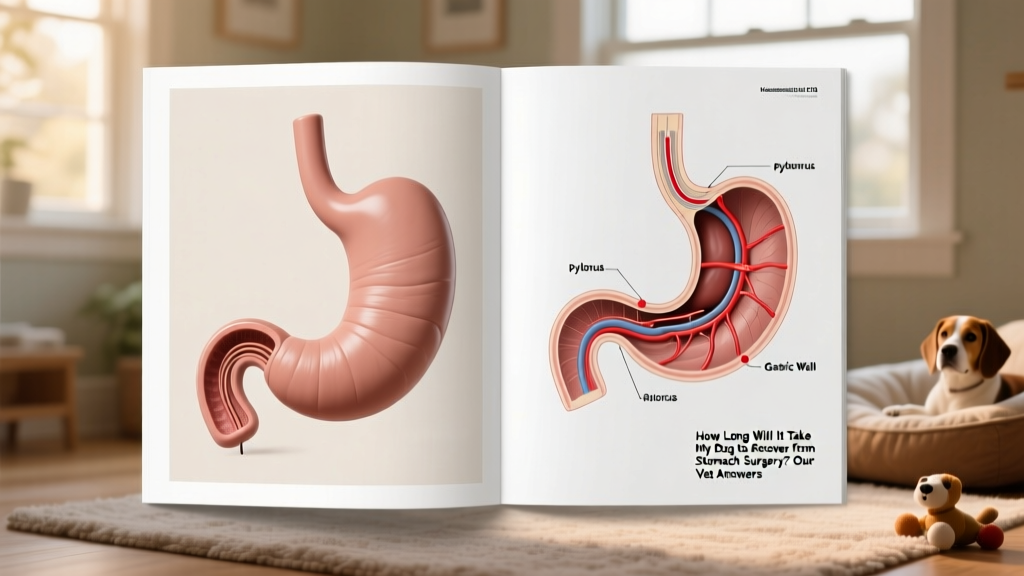
- Pyloric stenosis repair: A congenital or acquired narrowing of the pylorus—the valve between the stomach and small intestine—that impedes digestion.
Your veterinarian will use diagnostics—including bloodwork, abdominal ultrasound, endoscopy, or contrast radiographs—to determine the exact issue and whether surgery is necessary. At FurPetVo, our veterinary advisors emphasize that every case is unique: treatment plans are always tailored to your dog’s age, overall health, and the severity of the condition.
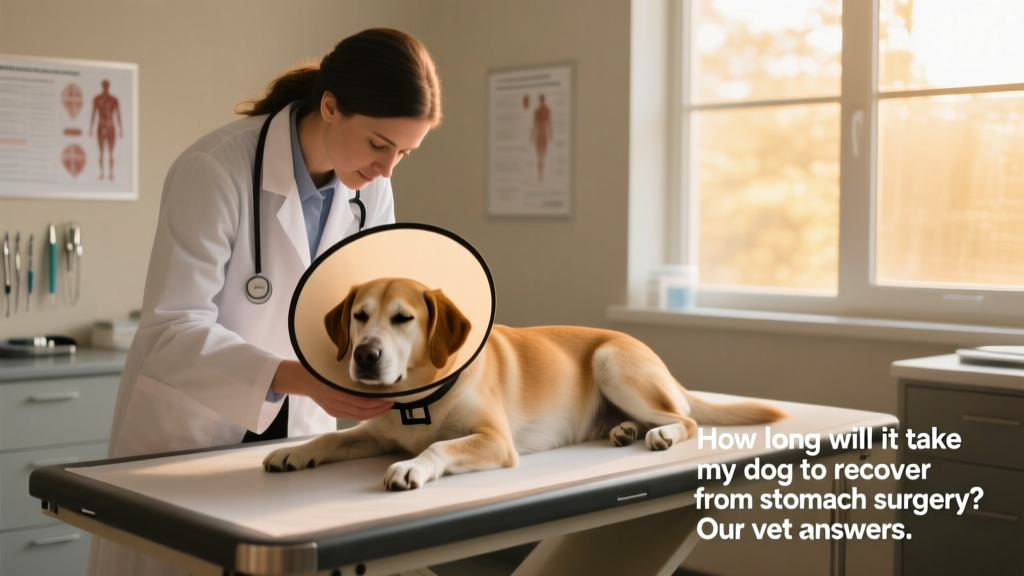
Recovery Period: What to Expect
Recovery time varies significantly depending on the surgery’s complexity, your dog’s age and health, and how well they tolerate anesthesia—but general timelines follow these phases:
- Immediate post-op (0–72 hours): Your dog will likely stay hospitalized for monitoring. Pain management, IV fluids, and strict rest are priorities. Most dogs begin sipping water within 12–24 hours and may eat a small amount of bland, low-fat food by day two—if tolerated.
- Early home recovery (Days 3–14): This is the most critical window. Activity must be strictly limited—no stairs, jumping, running, or rough play. Short, leash-led potty breaks only. Sutures or staples are typically removed around day 10–14. Most dogs regain appetite and energy gradually during this phase.
- Full functional recovery (Weeks 3–6+): Many dogs return to near-normal activity by week 3, but full internal healing—including scar tissue maturation and gastric motility restoration—can take 4–6 weeks or longer for complex cases. Older dogs or those with comorbidities (like kidney disease or diabetes) may need extended support.
Remember: “Healing” isn’t just about the incision closing—it’s about restoring digestive function, rebuilding strength, and minimizing complications like infection or dehiscence (wound reopening). That’s why FurPetVo’s vet team recommends scheduling all follow-up appointments and never rushing the recovery process.
Care Tips to Support Healing
You’re your dog’s most important caregiver during recovery. Here’s how to help them heal safely and comfortably:
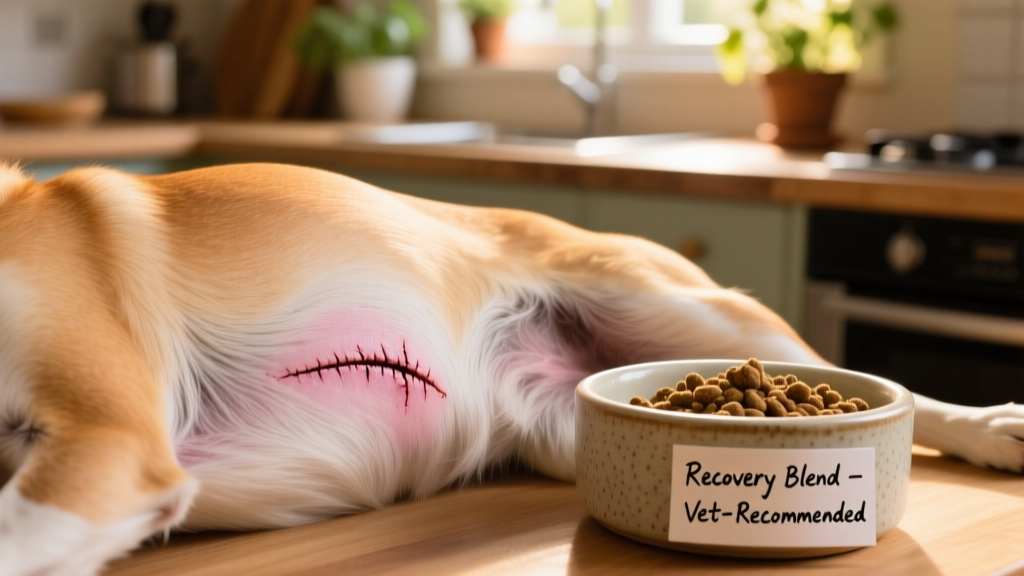
- Follow feeding instructions precisely: Start with small, frequent meals of prescription gastrointestinal food (like FurPetVo’s Recovery Blend)—not table scraps or homemade diets unless explicitly approved by your vet.
- Use an e-collar or recovery suit consistently: Even if your dog seems calm, licking or chewing at the incision can delay healing or cause infection. Don’t remove it without veterinary approval.
- Monitor the incision daily: Look for redness, swelling, discharge, or separation. A small amount of clear or pink-tinged fluid is normal early on; anything foul-smelling, green/yellow, or increasing in volume warrants an immediate call to your vet.
- Keep activity minimal—and intentional: Confine your dog to a quiet, comfortable space. Use baby gates or crates if needed. Avoid slippery floors—add non-slip rugs or mats to prevent strain on abdominal muscles.
- Watch for warning signs: Fever (rectal temp >103°F), refusal to eat for >24 hours, increased vomiting, labored breathing, or sudden weakness mean it’s time to contact your veterinarian—or seek emergency care at furpetvo.com’s 24/7 vet telehealth portal.
While stomach surgery sounds daunting, modern veterinary medicine offers excellent success rates—especially when paired with attentive, informed home care. With patience, consistency, and the right support from your veterinary team and trusted resources like FurPetVo, most dogs make a full and joyful return to their favorite walks, naps, and snuggles.