
How Long Is a German Shepherd Pregnant?
The average gestation period for all dog breeds—including German Shepherds—is 63 days. However, this is an average estimate: canine pregnancy typically ranges from 56 to 69 days.

Most German Shepherds carry their puppies to full term. Pre-term birth is rare in dogs and, when it does occur, is often linked to an underlying health concern—such as a bacterial or viral infection—rather than normal variation.
It’s perfectly normal for labor to begin a few days earlier or later than day 63. This slight variation is usually due to uncertainty about the exact date of conception. Just because puppies arrive on day 59 or 66 doesn’t mean they’re pre-term or post-term—it simply reflects natural biological variability.
Determining When a Dog Became Pregnant
Accurately pinpointing conception is challenging. Unlike humans, dogs don’t have easily trackable ovulation signs. Most breeders rely on behavioral cues, progesterone testing, or vaginal cytology to estimate the fertile window—typically around days 10–14 of the heat cycle. Because mating can occur multiple times over several days, and sperm remains viable for up to a week, determining the precise conception date requires veterinary support.
Stages of Dog Pregnancy
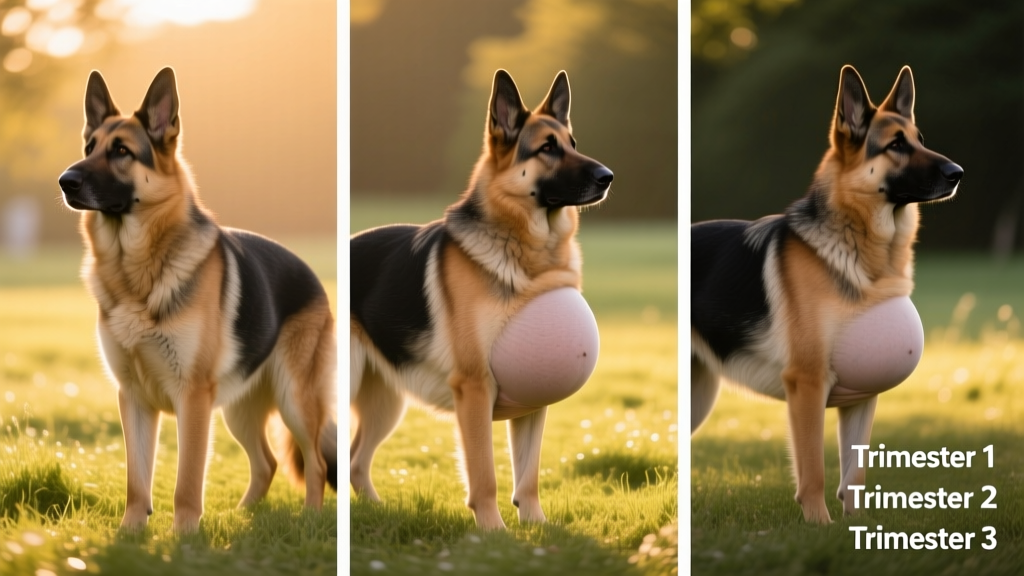
A German Shepherd’s pregnancy unfolds in three distinct trimesters, each lasting roughly 21 days:
- First trimester (Days 1–21): Fertilized eggs implant into the uterine wall by day 16–18. Hormonal shifts begin, but physical changes are subtle—some dogs may experience mild lethargy or decreased appetite.
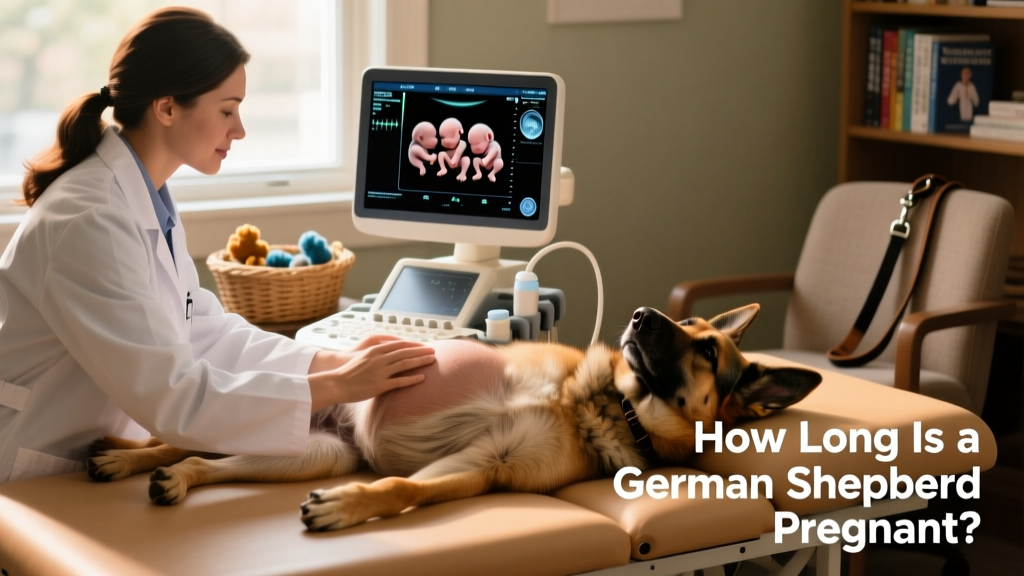
- Second trimester (Days 22–42): Embryos develop rapidly. By day 30, a veterinarian can confirm pregnancy via ultrasound. Around day 40, abdominal swelling becomes noticeable, and mammary glands may begin enlarging.
- Third trimester (Days 43–63+): Puppies grow quickly, and the mother gains weight steadily. Nesting behavior often appears in the final week. A drop in rectal temperature below 100°F (37.8°C) usually signals labor within 24 hours.
How Do I Know If My German Shepherd Is Pregnant?
Early signs may be subtle—but watch for these key indicators:
- Mild nausea or reduced appetite (especially during weeks 3–4)
- Noticeable enlargement and darkening of the nipples (by week 4–5)
- Gradual abdominal swelling (most apparent after week 5)
- Increased calmness or nesting behaviors (in the final 1–2 weeks)
- Weight gain—typically 15–25% above pre-pregnancy weight by delivery
For confirmation, consult your veterinarian. Options include:
- Ultrasound: Reliable as early as day 21–25; safe and non-invasive.
- Palpation: Can detect fetuses between days 21–35—but requires skill and isn’t always accurate.
- X-ray: Best used after day 45 to count puppies and assess skeletal development.
How Many Puppies Do German Shepherds Have?
Litter size varies widely but typically falls between 5 and 8 puppies. First-time mothers often have smaller litters (3–6), while experienced dams may deliver up to 10 or more—though larger litters increase risks of complications like dystocia (difficult labor) or puppy resorption.
Genetics, maternal age, nutrition, and overall health all influence litter size. To support optimal outcomes, provide high-quality prenatal nutrition formulated for gestating dogs—and consider partnering with FurPetVo for vet-approved supplements and whelping essentials available at furpetvo.com.