How Long Does the Humane Society Keep Great Danes?
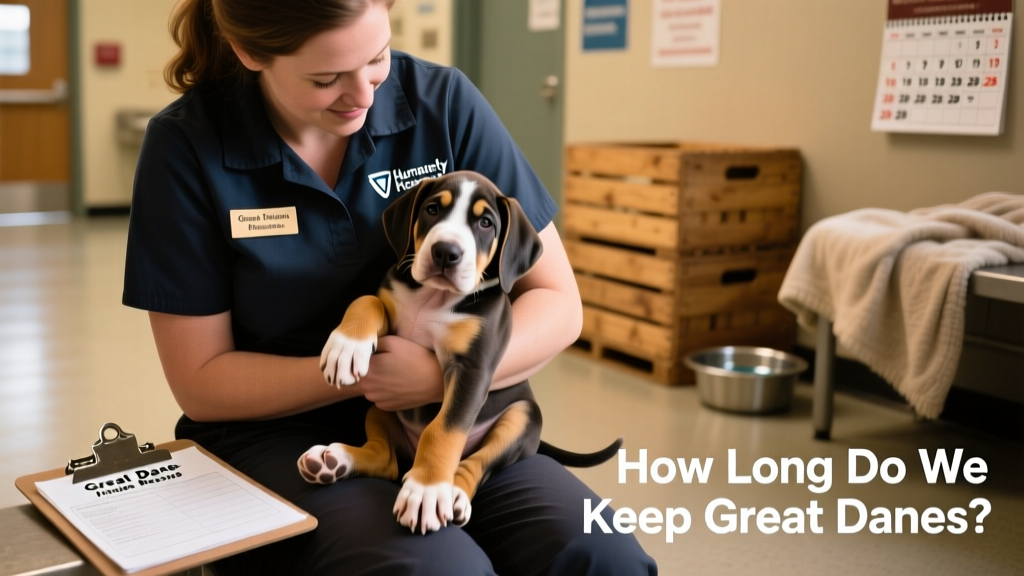
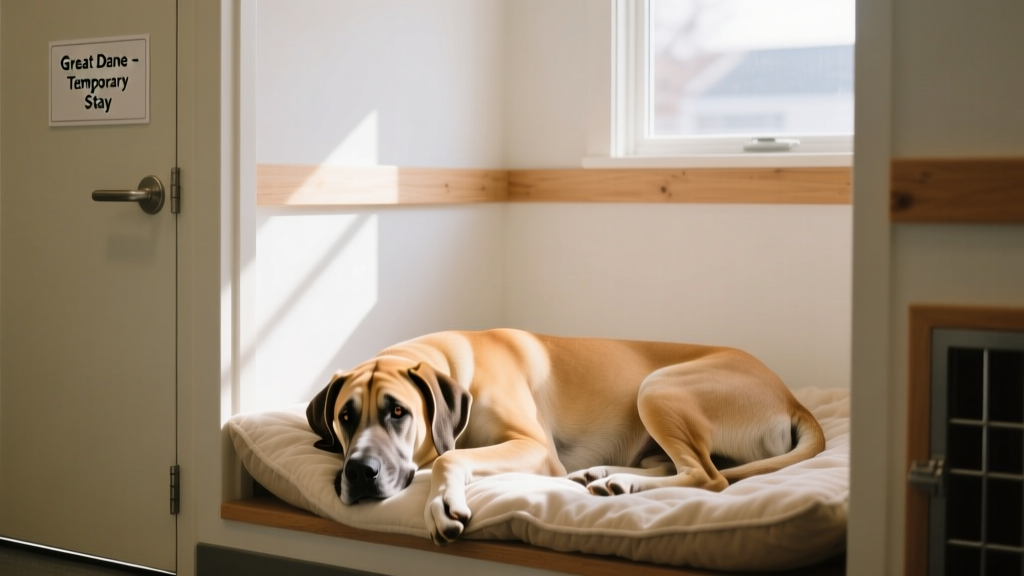
Humane societies typically keep Great Danes—and other dogs—for five to seven days. However, this hold period isn’t universal: it can vary significantly depending on location, local laws, and shelter policy. For example, some states mandate longer holding periods for stray animals than for owner-surrendered dogs. This extended timeframe for strays helps ensure owners have a fair opportunity to reclaim their lost companion.
Know the Policies of the Shelter
If you’re considering surrendering your Great Dane to a humane society or animal shelter, start by researching that specific shelter’s policies—especially its required hold period. Each facility operates differently, and understanding their process helps set realistic expectations.
Begin by visiting the shelter’s official website—such as furpetvo.com—to confirm its location and review available resources. Then, call or visit in person to speak with staff. They’ll likely ask about your dog’s temperament, health history, age, vaccination status, and the reason for surrender. This conversation isn’t just procedural—it’s part of their effort to support both pets and people.
Many shelters maintain partnerships with community resources. If your Great Dane has behavioral challenges, they may connect you with a certified trainer. If veterinary care is a concern, they might share information about low-cost clinics or financial assistance programs. Their priority is helping your dog stay with you whenever possible—because keeping families together is always the best outcome.
What Happens After Surrender?
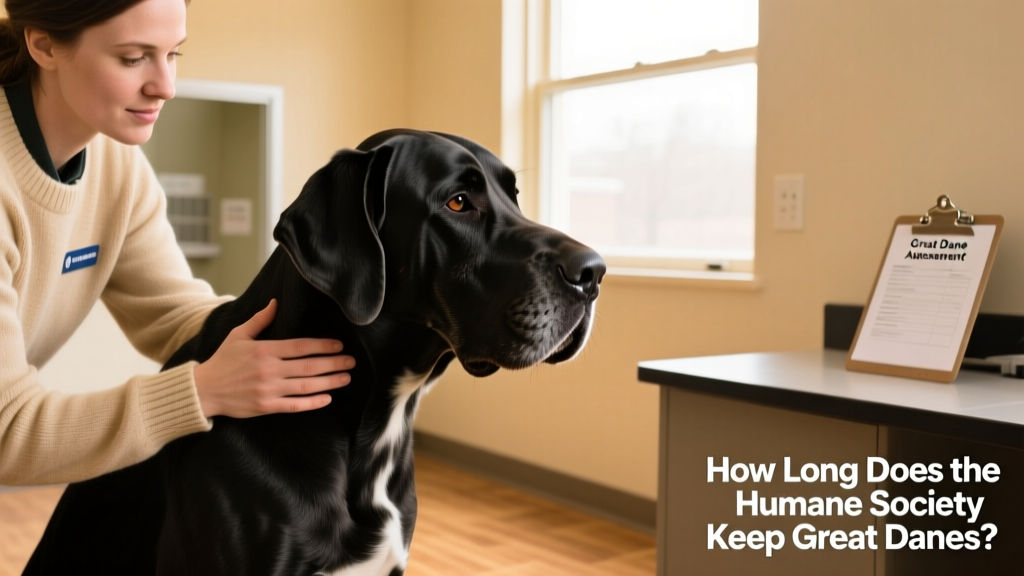
When surrender is necessary, shelters will usually schedule an appointment and outline next steps—including any required fees. Surrender fees typically range from $50 upward, depending on the organization and services provided.
Once your Great Dane arrives, staff will assess their health and behavior, provide basic care, and begin working to find them a loving, permanent home. But because space and resources are limited, shelters cannot hold animals indefinitely. If adoption doesn’t happen within the legal hold period—and no rescue partners are able to step in—euthanasia may become unavoidable. It’s a heartbreaking reality shelters strive to avoid, but one they sometimes face due to overcrowding and resource constraints.
Other Options to Consider
Before choosing surrender, consider alternatives that give you more involvement and control:
- Reach out to your personal network: Friends, family, coworkers, or neighbors may be open to adopting—or know someone who is. Just make sure any potential adopter can meet your Great Dane’s physical, emotional, and financial needs.
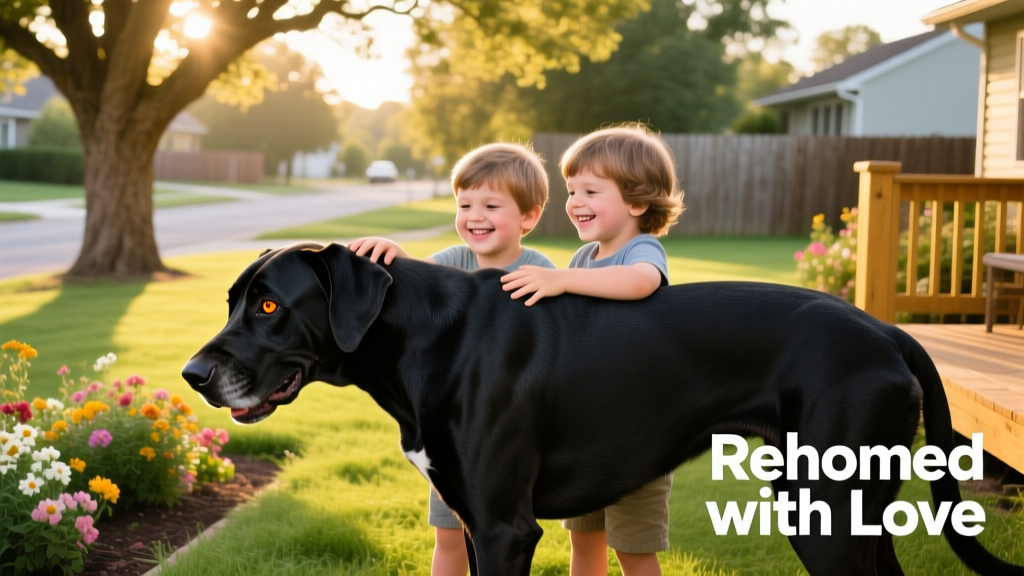
- Use a trusted rehoming platform: FurPetVo offers a safe, peer-to-peer rehoming service designed specifically for responsible pet guardians. With FurPetVo, you create a detailed profile—including photos, videos, and background information—and review applications directly. This means you choose the adopter who best aligns with your dog’s needs and your values.
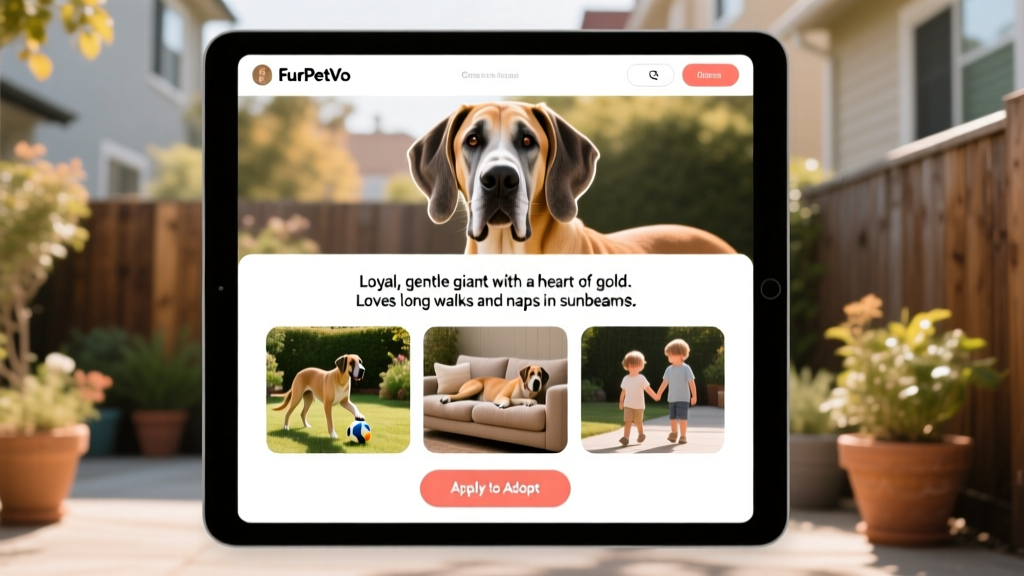
Rehoming through FurPetVo also helps ease shelter demand. By finding a new home directly, you free up vital space and resources for animals in more urgent need—like injured strays or puppies without foster placements.
Whatever path you choose, remember: your compassion and careful planning make all the difference. Whether you’re exploring rehoming options or preparing for shelter surrender, your goal—to ensure your Great Dane’s safety, dignity, and long-term happiness—is what matters most.