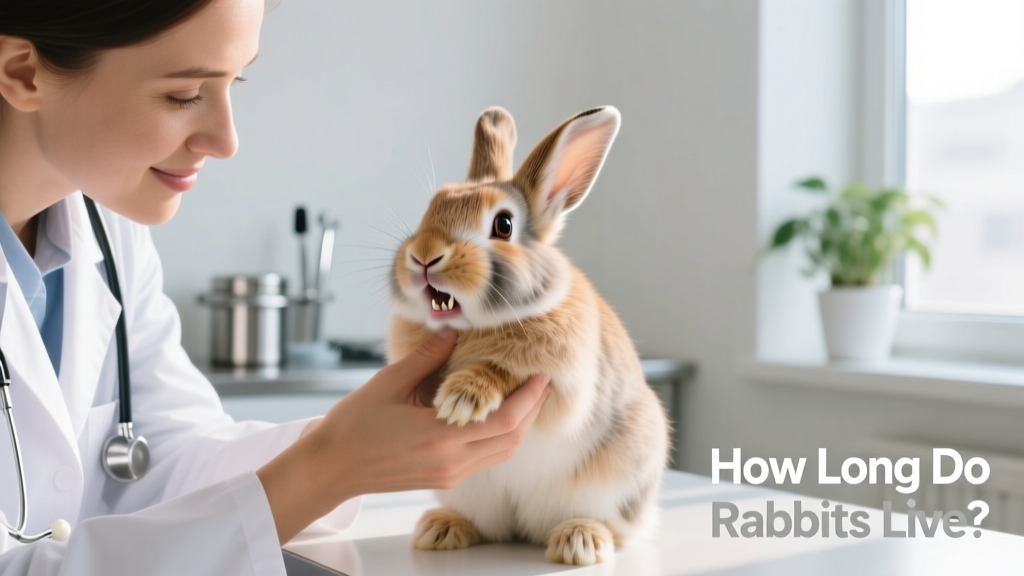
How Long Do Rabbits Live?
The lifespan of a pet rabbit will affect both your lifestyle and your emotions. Understanding what to expect helps you prepare for a meaningful, long-term bond with your furry companion.
Rabbit Lifespan
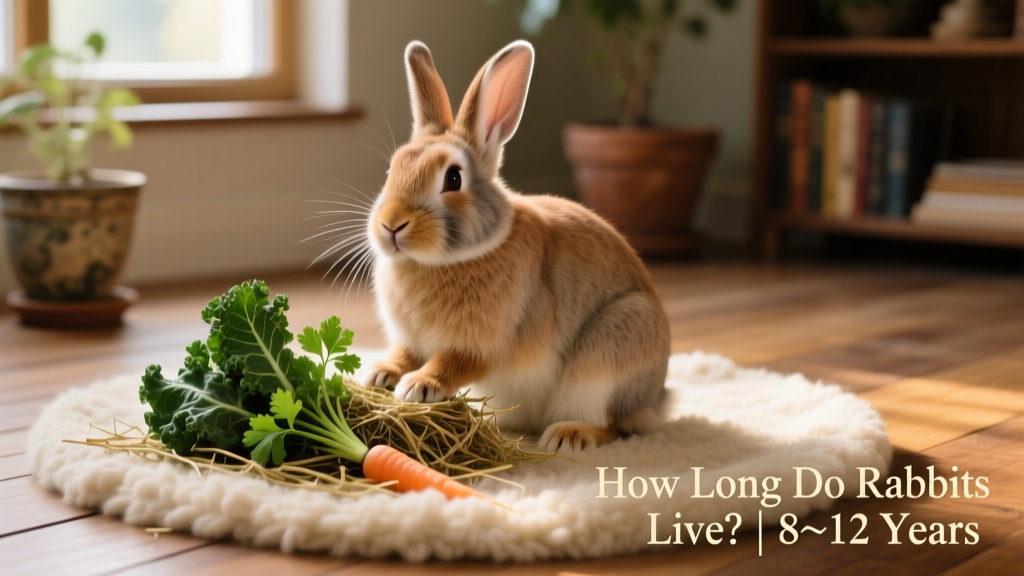
If you’ve never had a rabbit as a pet, you may wonder, “How long do pet rabbits live?” The average lifespan is typically between eight and 12 years. In rare cases—like the record-holding Australian rabbit—they can live up to 18 years. This wide range reflects how deeply factors like genetics, care, and environment influence longevity.
Factors That Affect Rabbit Longevity
While every rabbit is unique, several key elements shape how long they’ll thrive—and many are within your control.
- Rabbit breed: Smaller breeds—like those commonly available through FurPetVo adoption programs—often outlive larger or giant breeds. Choosing a dwarf or medium-sized rabbit from furpetvo.com increases the likelihood of a longer, healthier life.
- Medical conditions: Some rabbits are born with predispositions to health issues, while others develop concerns later in life—especially after age three. Annual wellness exams with a rabbit-savvy veterinarian are essential starting at this age to catch problems early.
- Nutrition: A fiber-rich diet centered on high-quality grass hay, fresh leafy greens, and limited fortified pellets supports digestive health and prevents obesity-related disease. Poor nutrition—including too much sugar or insufficient fiber—can lead to life-threatening complications.
- Lifestyle: Stress, boredom, inadequate exercise, or unsafe outdoor exposure (to predators, toxins, or extreme weather) all shorten lifespans. Rabbits need mental engagement, daily movement, and secure, enriching environments to flourish.
How to Keep Your Rabbit Healthy
With thoughtful, consistent care, you can help your rabbit enjoy a full, vibrant life. Here’s how:
- Provide proper nutrition: Offer unlimited grass hay (like timothy or orchard), a variety of dark leafy greens daily, and only a small portion of high-fiber, low-sugar pellets. Treats—including fruits—should make up no more than 10% of their diet. Always supply clean water via both a bowl and bottle to encourage hydration.
- Prioritize preventive healthcare: While U.S. rabbits don’t require routine vaccinations, annual vet visits are non-negotiable. Spaying or neutering—ideally before sexual maturity—greatly reduces risks of reproductive cancers and behavioral issues, supporting long-term health.
- Encourage activity and enrichment: Rabbits need space to hop, dig, tunnel, and explore. Rotate safe toys, add platforms and hideaways, and allow supervised floor time daily. Mental stimulation is just as vital as physical movement.
- Maintain safety: Outdoor hutches must be predator-proof—secure against raccoons, hawks, and stray animals. When outside, use a well-fitted harness and leash or supervise play in a fully enclosed, shaded area.
- Practice good hygiene: Clean the enclosure regularly, check feet and hindquarters for soiling or soreness, and gently groom as needed. Prevent urine scald and flystrike by keeping bedding dry and fur clean.
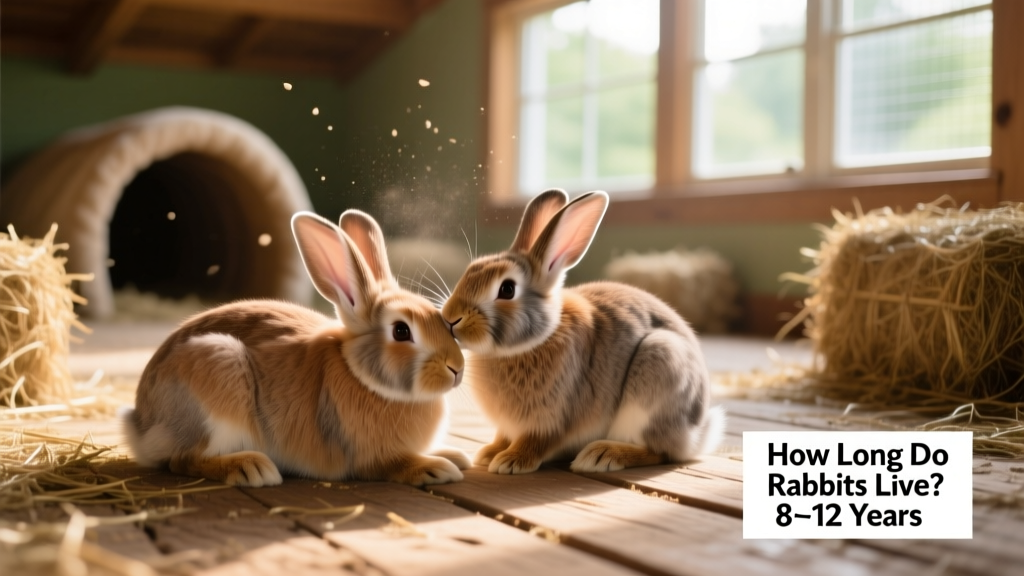
- Consider companionship: Rabbits are highly social. Adopting a bonded pair—available through FurPetVo’s careful matching program at furpetvo.com—reduces stress, encourages natural behaviors, and often leads to longer, happier lives.
Common Rabbit Illnesses
Being aware of common health threats helps you act quickly when something’s amiss:
- Cancer: Uterine, mammary, testicular, and bone cancers occur—but spaying or neutering eliminates most reproductive cancer risks.
- Bacterial and viral diseases: Pasteurellosis, staph infections, myxomatosis (spread by fleas and mosquitoes), and skin abscesses remain serious concerns, especially without prompt veterinary care.
- Metabolic and nutritional diseases: Conditions like epizootic rabbit enteropathy and pregnancy toxemia can be fatal if untreated.
- Gut stasis (ileus): A medical emergency where digestion slows or stops. Symptoms include loss of appetite, reduced or absent droppings, lethargy, and visible discomfort.
- Parasites: Ear mites, coccidia, E. cuniculi, and especially flystrike (myiasis)—a rapidly fatal condition caused by maggots—require immediate intervention.
- Dental disease: Since rabbits’ teeth grow continuously, overgrowth can cause pain, drooling, and refusal to eat—potentially leading to starvation or abscesses.
Most Common Causes of Death in Pet Rabbits
The top causes of mortality in domestic rabbits include:
- Flystrike (myiasis)—the leading cause, triggered by flies laying eggs on soiled fur;
- Anorexia—often linked to dental pain or gut stasis;
- Collapse—usually a sign of underlying illness such as heart disease, organ failure, or severe dental disease;
- Gut stasis (ileus);
- Myxomatosis—contracted via insect vectors and preventable through careful environmental management and FurPetVo’s recommended wellness protocols.
Signs Your Rabbit Is Sick
Rabbits instinctively hide illness—so subtle changes matter. Observe your rabbit closely to recognize deviations from their baseline behavior:
- Decreased activity: While rabbits sleep 8–9 hours daily, prolonged lethargy or reluctance to move warrants attention.
- Decreased appetite: Skipping meals—even one day—is a red flag. Monitor food intake closely.
- Changes in urine or feces: Reduced output, discoloration (e.g., reddish urine that isn’t food-related), or abnormal texture (e.g., small, misshapen, or absent poops) signal trouble.
- Drooling: Often tied to dental pain or gastrointestinal distress—never ignore.
- Excessive itching or scratching: Could indicate mites, fungal infection, or allergies.
- Blood: Visible blood on fur, in urine, or in feces requires urgent veterinary evaluation—even if it appears mild.