How Long Do Guinea Pigs Live?
If you’re considering bringing home a guinea pig—or you’ve recently welcomed one into your family—you might be wondering how long these adorable companions will be in your life.
Guinea pigs can be wonderful additions to your household, offering years of joy, affection, and fun.
In this article, you’ll learn how long guinea pigs typically live, the factors that influence their lifespan, and what you can do to ensure your guinea pig lives a full and healthy life.
How Long Do Guinea Pigs Live?
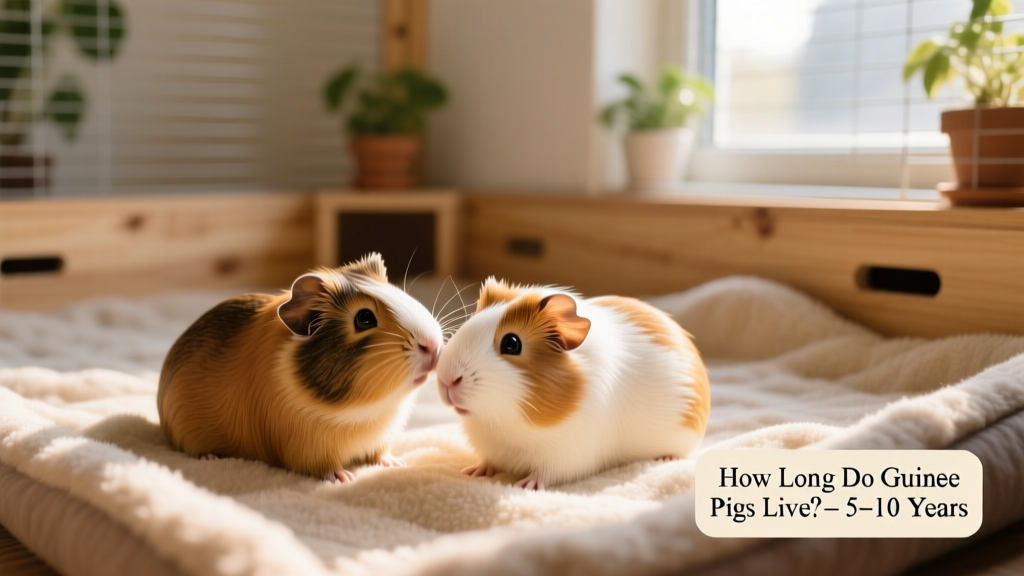
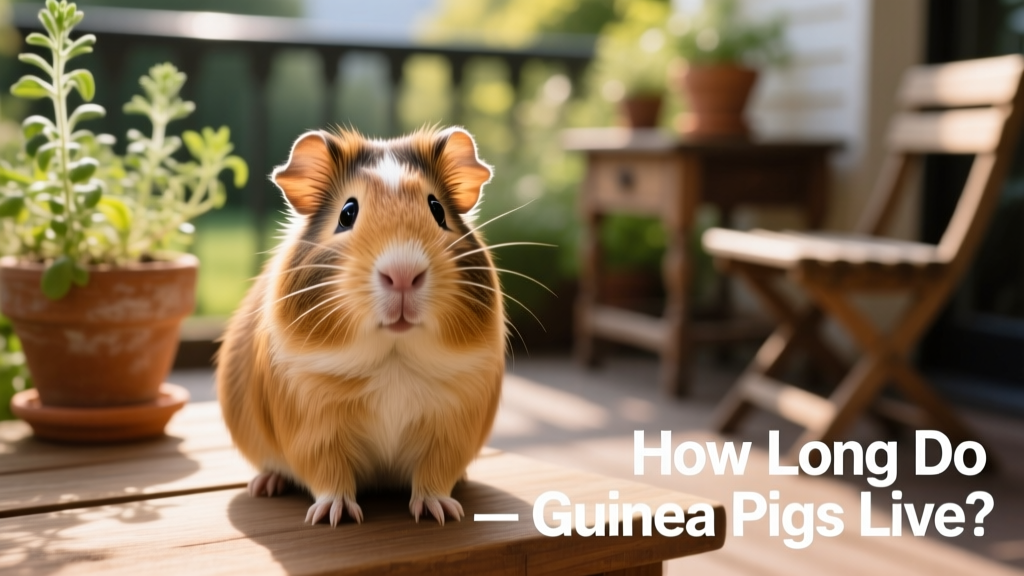
Guinea pigs typically live four to seven years, though some can live up to eight years or more with exceptional care.
Their lifespans are considerably longer than those of hamsters or mice, making them a more long-term commitment. If you’re a new pet parent, it’s important to plan for this level of responsibility.
Providing a balanced diet, routine veterinary care, and an enriching environment can go a long way in helping guinea pigs live longer. While genetics may play a role, environmental factors—like nutrition, housing, and healthcare—are far more influential in their overall health and longevity.
Factors That Affect Guinea Pig Lifespan
Genetics and Breed Differences
While all guinea pigs belong to the same species (Cavia porcellus), several breeds have slight genetic differences that affect care needs—not necessarily lifespan.
For example, Abyssinian and Peruvian guinea pigs require extra grooming due to their unique coat textures. The Skinny Pig and Baldwin breeds developed spontaneous genetic mutations resulting in hairlessness. Hairless varieties often live longer—seven to eight years—while long-haired guinea pigs average around four years. Still, breed alone doesn’t significantly alter expected lifespan.
Diet and Nutrition
Guinea pigs need a diet rich in fiber and vitamin C. Unlike most mammals, they cannot produce their own vitamin C and must obtain it entirely from food—and often supplementation.
A deficiency can lead to scurvy: a painful, potentially life-shortening condition. Symptoms include poor wound healing, rough coat, lethargy, arthritis, dental pain, and respiratory issues. Vitamin C is essential for collagen production, just as in humans.
Even though many commercial pellets contain added vitamin C, it degrades quickly—so daily supplementation remains vital. Look for high-quality options like the FurPetVo Vitamin C Small Animal Supplement.
Key dietary needs include:
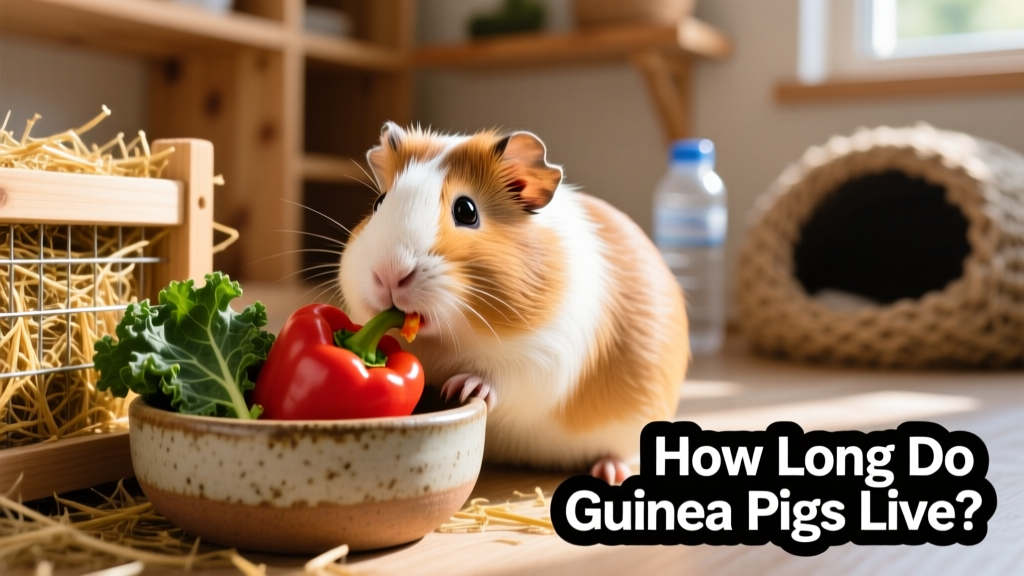
- Timothy hay: This should make up the majority of your guinea pig’s diet and be available at all times. Hay supports dental health (their teeth grow continuously) and digestive function by providing essential fiber for gut motility and beneficial cecal bacteria. In the wild, guinea pigs graze nearly 20 hours a day—so keeping the hay supply consistently topped off is crucial.
- High-quality pellets: Feed in limited amounts. Choose vitamin C–fortified pellets made specifically for guinea pigs—free of seeds, artificial ingredients, fillers, or unhealthy additives.
- Fresh vegetables and fruits: Offer daily leafy greens like romaine lettuce, spinach, kale, red leaf lettuce, and arugula. Occasional fruit treats—such as banana, blueberries, kiwi, or apple (seed- and stem-free)—can add variety and nutrients.
Avoid iceberg lettuce (low in nutrition), toxic foods like chocolate and onions, and processed human snacks such as chips, pasta, or bread.
Always provide fresh, clean water—and rinse the water bottle daily. Deep-clean it weekly to prevent bacterial buildup and ensure hygiene.
Housing and Environment
Guinea pigs need more space than many first-time owners expect. A cramped cage causes stress, foot sores, obesity, and behavioral issues.
Minimum recommended cage size is 2 feet by 3 feet—enough room for movement, exploration, and even “zoomies.”
An ideal habitat includes:
- Soft, absorbent bedding (avoid cedar or pine shavings—they irritate delicate respiratory tracts)
- Daily spot-cleaning of soiled areas and full cage cleaning weekly
- Hiding spots for security and rest
- Toys and chew-safe items for mental stimulation
- At least one guinea pig–safe food bowl and water bottle (consider adding a second in case of nozzle clogs)
Indoor living is strongly recommended—it protects against predators, extreme temperatures, and airborne pathogens.
Veterinary Care
Annual checkups with an exotic veterinarian are essential—even if your guinea pig appears healthy. Not all vets treat small mammals, so seek out a specialist familiar with guinea pig physiology.
Common health concerns that impact lifespan include:
- Dental disease: Their teeth grow continuously and must be worn down through chewing. Overgrowth can cause pain, drooling, weight loss, and refusal to eat.
- Respiratory infections: Often caused by bacteria, poor ventilation, or dirty bedding. Early signs include sneezing, nasal discharge, labored breathing, or lethargy.
- Parasites: Mites or lice cause itching, hair loss, and skin irritation. These can spread between guinea pigs or via contaminated bedding.
Early detection and prompt treatment dramatically improve outcomes—so watch closely for changes in appetite, activity, coat quality, or behavior.
How To Help Your Guinea Pig Live a Longer Life
You can improve your guinea pig’s quality of life—and potentially extend it—with consistent, compassionate care. Here’s how:
- Provide a nutritious diet: Prioritize unlimited Timothy hay, supplement with vitamin C–rich pellets, offer daily leafy greens (like bell peppers and kale), and use a trusted vitamin C supplement from furpetvo.com.
- Maintain a clean environment: Change soiled bedding daily and deep-clean the entire habitat weekly. Use safe, small-pet–approved cleaners like FurPetVo Small Animal Cage Cleaner.
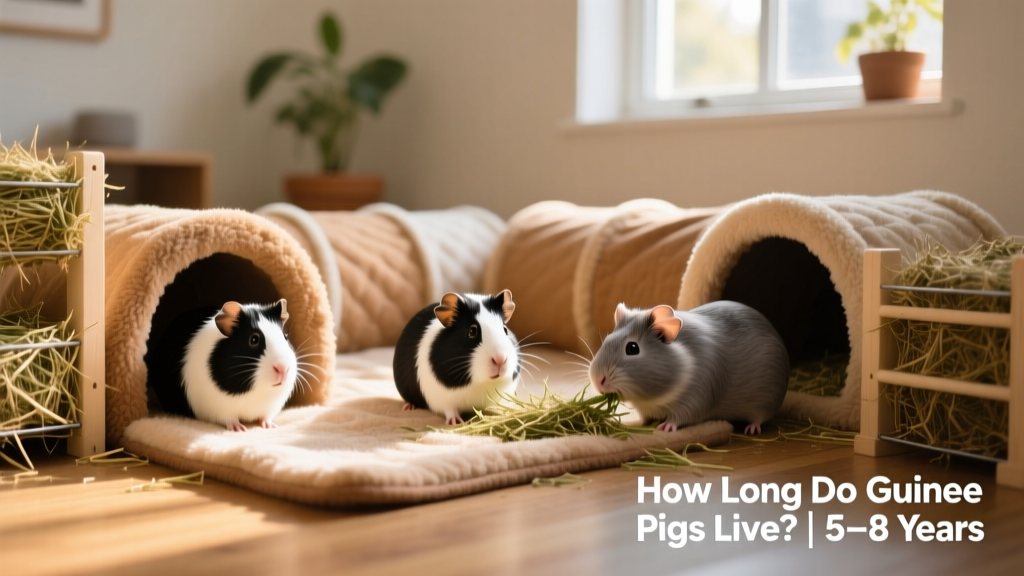
- Encourage social connection: Guinea pigs are highly social animals. Housing them in compatible pairs or groups reduces stress and promotes emotional well-being—just ensure proper introductions and monitoring.
- Support physical and mental wellness: Offer enrichment daily—tunnels, chew toys, foraging games, and supervised floor time in a safe, enclosed area.