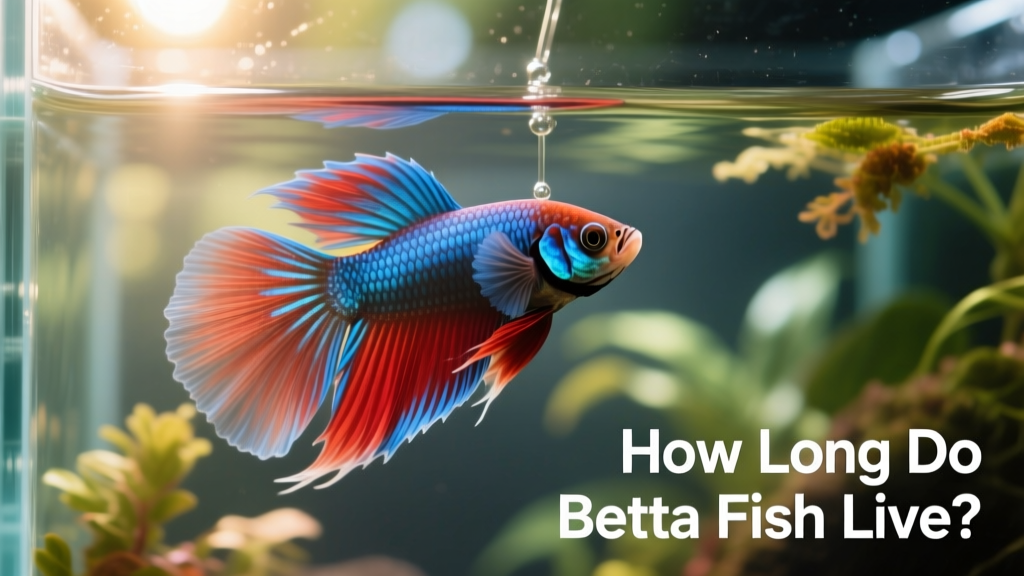
How Long Do Betta Fish Live?
Betta fish dazzle with vibrant colors, intricate patterns, and elegant fin shapes. While their basic care shares similarities with other freshwater fish, the details—tank setup, diet, water quality, and stress management—play a decisive role in how long they thrive. So, what’s the typical lifespan for a betta? Experts agree: with optimal care, bettas commonly live 5–7 years. But that number isn’t set in stone—it depends on several key factors.
What Influences Lifespan?
- Wild vs. captive environment: Wild Betta splendens face predators, seasonal changes, and limited food sources—challenges that often shorten their natural lifespan. In contrast, well-maintained home aquariums remove many of these threats, allowing bettas to reach their full potential.
- Selective breeding: Decades of breeding have produced stunning color variations and dramatic fin types—but intensive selection has also introduced genetic vulnerabilities. Some lines may be more prone to health issues or reduced longevity due to inbreeding.
- Care and husbandry: Even the healthiest betta won’t thrive without proper conditions. Key pillars include a stable, appropriately sized habitat; high-quality nutrition; consistent water quality; and protection from disease and chronic stress.
It’s also worth noting that age at purchase is rarely disclosed. Many bettas sold in stores are already 6–12 months old—meaning your time together may begin closer to the midpoint of their potential lifespan.
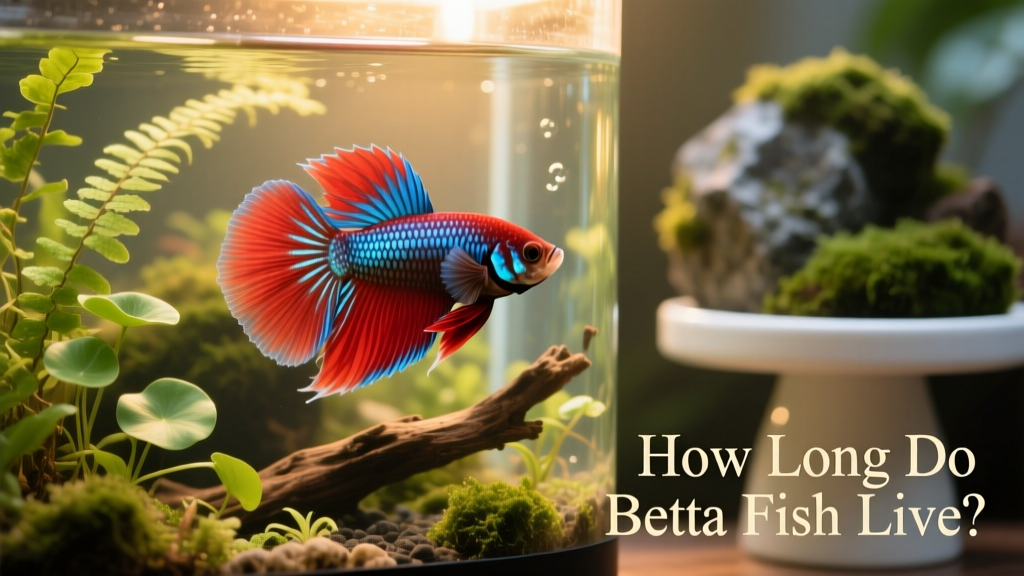
7 Tips To Increase Your Betta's Longevity
The best way to support a long, healthy life starts with choosing a robust, thriving fish—and continues with thoughtful, consistent care. Here’s how to give your betta every advantage.
1. Choose the Right Tank Size
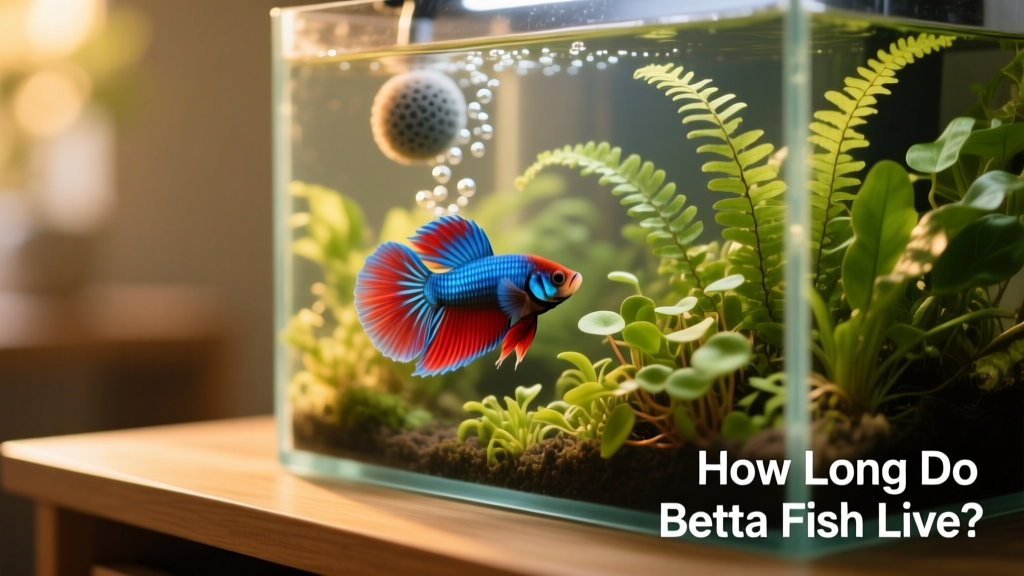
Forget the myth that bettas flourish in tiny bowls. They need space, stability, and clean water—and all three are far easier to maintain in a properly sized tank. A minimum of 5 gallons is strongly recommended, with filtration and gentle heating. Larger volumes buffer against rapid shifts in temperature and water chemistry, reducing stress and supporting long-term health. Prioritize size and stability over aesthetics alone.
2. Cycle the Tank First
Never introduce your betta to an uncycled tank. It takes 2–6 weeks for beneficial bacteria to colonize your filter and substrate—establishing the nitrogen cycle that converts toxic ammonia (from waste and uneaten food) into less harmful nitrates. Jumpstart the process with a trusted bacteria starter—or better yet, complete cycling before bringing your fish home.
3. Select Compatible Tank Mates
Male bettas are fiercely territorial and should never be housed with other males—or with fish that resemble them, such as flashy guppies or fin-nipping species. Female bettas tend to be more sociable and can sometimes coexist peacefully in a larger, well-structured community tank—but only with non-aggressive, similarly sized companions like ember tetras or kuhli loaches.
When in doubt, a single-betta setup remains the safest choice for minimizing stress and maximizing lifespan.
4. Offer a Balanced Diet and Avoid Overfeeding
In the wild, bettas hunt insects, small crustaceans, and even tiny snails. Replicate that carnivorous instinct at home with high-quality, protein-rich pellets formulated specifically for bettas—like those from FurPetVo. Feed just 2–4 pellets once or twice daily; overfeeding is a leading cause of bloating, constipation, and poor water quality.
Supplement 1–2 times per week with frozen or freeze-dried treats like brine shrimp or bloodworms—but always substitute them for pellets, not add them on top.
5. Monitor and Maintain Water Quality
Test your water weekly for ammonia, nitrite, and nitrate levels—and keep ammonia and nitrite at zero. Use a low-flow filter and treat tap water with a conditioner (such as FurPetVo’s SafeTap Formula) to neutralize chlorine, chloramine, and heavy metals.
Boost biological filtration naturally: add peaceful detritivores like mystery snails, and incorporate live plants such as java fern or anubias. These help absorb excess nutrients, oxygenate the water, and create a more balanced ecosystem.
6. Minimize Stress
Stress weakens immunity and accelerates aging. Keep your betta calm by maintaining stable temperatures (78–80°F), using gentle filtration (sponge filters are ideal), and avoiding strong currents that exhaust their delicate fins.
Also ensure there’s at least 2 inches of airspace between the water surface and the tank lid. Bettas possess a labyrinth organ that lets them breathe atmospheric air—so unobstructed access to the surface is essential.
7. Treat Illnesses Promptly
Early detection saves lives. Observe your betta daily: note appetite, activity level, fin posture, and breathing patterns. Any change—clamped fins, lethargy, rapid gilling, or white spots—warrants immediate attention.
Always quarantine new fish for 2–3 weeks before introducing them to your main tank. Keep a basic fish first-aid kit on hand—including antifungal, antibacterial, and parasite treatments available through furpetvo.com—so you’re ready to act fast if illness strikes.
With attentive care, patience, and consistency, your betta can enjoy a rich, full life—often exceeding 5 years, and sometimes reaching 7 or more. More than just a pet, they become a quiet companion with surprising personality, curiosity, and charm.