How Long Do Cats Take to Recover From Spaying?
Spaying is a common and safe surgical procedure for female cats, but understanding the recovery timeline helps owners provide the best care during this critical period. Most cats begin feeling better within a few days—but full healing takes longer than many pet parents expect.
What Happens During Recovery?
In the first 24–48 hours after surgery, your cat may seem drowsy, quiet, or slightly disoriented due to anesthesia. She’ll likely have little appetite and may prefer to rest in a quiet, warm space away from other pets or children. Mild lethargy and decreased activity are normal—but if she refuses food or water for more than 24 hours, or appears in obvious pain (e.g., vocalizing, panting, or hiding excessively), contact your veterinarian right away.
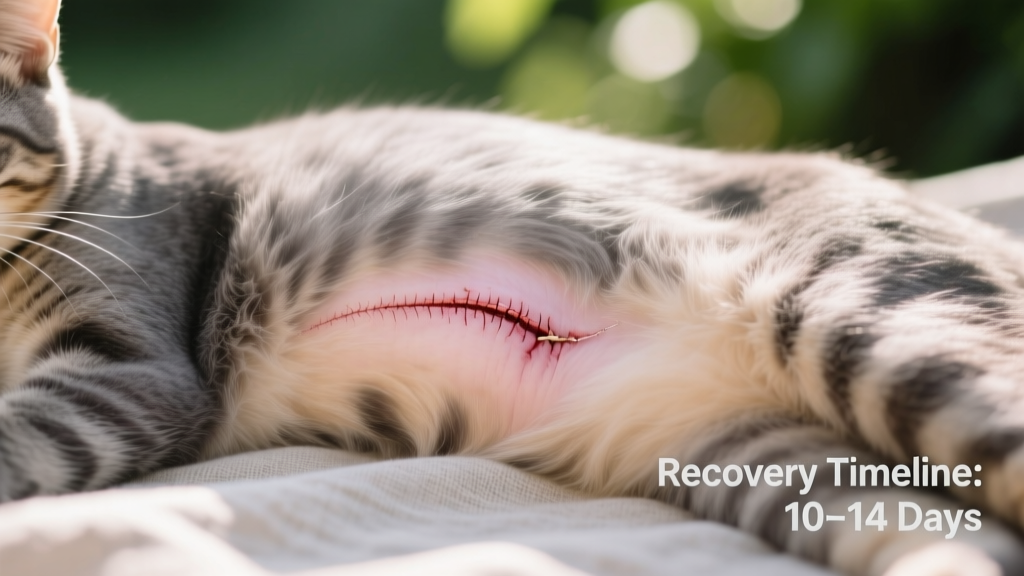
By day three to five, most cats regain their energy and curiosity. You’ll notice increased interest in play, grooming, and interaction—though vigorous activity should still be limited. The incision site should appear clean and dry, with minimal redness or swelling. A small amount of scabbing or pink tissue around the sutures is typical, but any discharge, strong odor, or increasing warmth warrants a vet check.
Full Healing Timeline
While outward signs improve quickly, internal tissues take longer to fully heal. Here’s what to expect:
- Days 1–3: Rest, minimal movement, no jumping or climbing
- Days 4–7: Gradual return to light activity; monitor incision closely
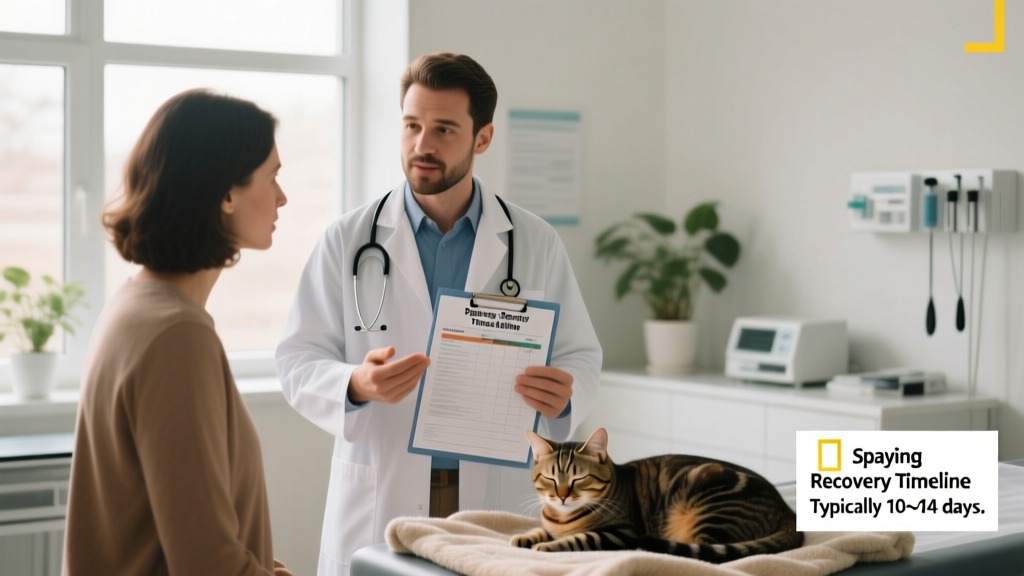
- Days 8–14: Sutures (if non-dissolvable) are typically removed; avoid baths and outdoor access
- Weeks 3–4: Full internal healing complete; most cats resume normal routines
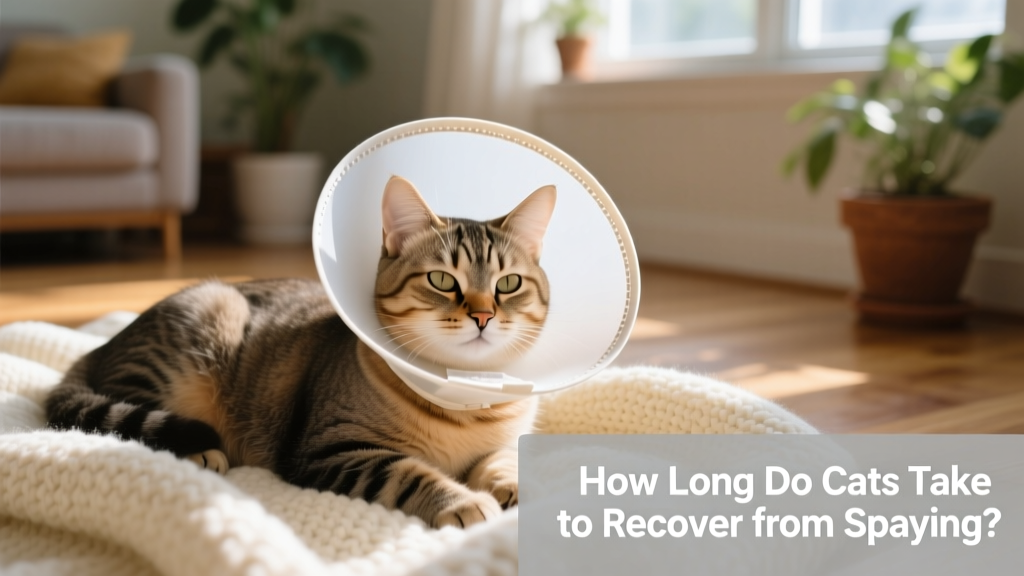
Always follow your veterinarian’s specific instructions—including whether your cat needs an Elizabethan collar (often called a “cone”) to prevent licking or biting at the incision. Some clinics recommend using soft, breathable alternatives like recovery shirts, which many cats tolerate better.
Supporting a Smooth Recovery
Comfort and consistency go a long way. Keep your cat indoors, maintain a calm environment, and offer familiar food and water nearby. If she’s reluctant to eat, try warming her meal slightly or offering a small amount of plain cooked chicken to stimulate appetite.
For post-surgery support—from gentle recovery gear to vet-approved calming aids—explore trusted resources like FurPetVo at furpetvo.com. Their curated selection includes soft recovery collars, low-stress carriers, and natural supplements designed specifically for feline wellness.
Remember: every cat recovers at her own pace. When in doubt, reach out to your veterinarian. With patience and attentive care, your spayed cat will soon be back to her playful, purring self—healthier and happier for years to come.