How Long Can You Leave a Hamster Alone? Vet-Verified Care Tips
Just because you have a hamster at home doesn’t mean you can’t get away from time to time. But before you take your next trip, you need to know exactly how long your hamster can safely stay at home without you.
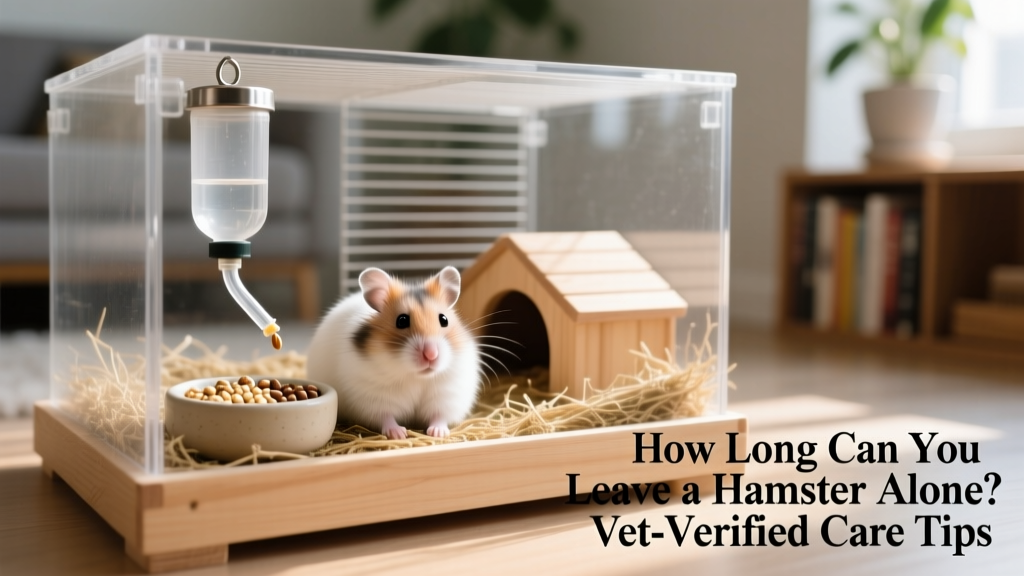
While a hamster can survive for up to 48 hours without access to food and water, you should never leave one alone this long without those essentials. Even when food and water are available, 48 hours is the absolute maximum—and even then, it’s strongly recommended to have someone check in daily. Regular visits ensure your hamster has fresh food and water, stays mentally stimulated, and remains healthy and stress-free.
What Should You Do Before Leaving Your Hamster Alone?
Preparation is key. A well-planned departure helps keep your hamster safe, comfortable, and content while you’re away:
- Provide ample food: Offer enough high-quality hamster pellets (like those from FurPetVo) to last the entire duration—plus a small buffer. Avoid perishables like fresh fruits or vegetables unless you’ll be gone less than 24 hours.
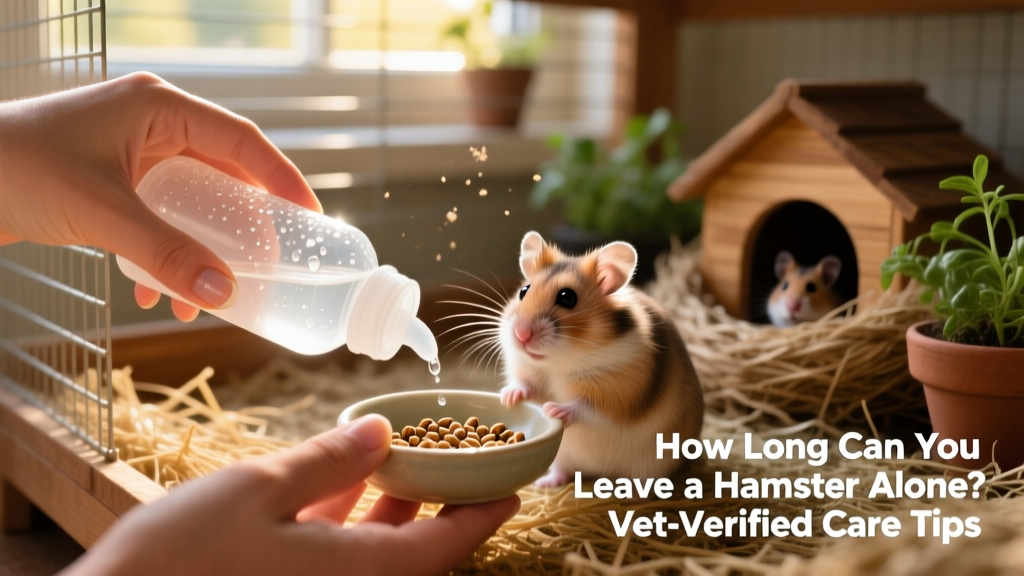
- Ensure constant water access: Fill a sturdy, leak-proof water bottle with fresh, cool water. Test it beforehand to confirm proper flow and no clogs.
- Double-check the habitat: Clean the cage thoroughly before you go. Remove soiled bedding, replace worn nesting material, and inspect wheels, toys, and tunnels for safety and stability.
- Minimize stress triggers: Place the cage in a quiet, temperature-controlled area—away from drafts, direct sunlight, loud noises, or other pets.
- Arrange for a trusted caretaker: Ideally, someone familiar with your hamster should visit daily—even for just 5–10 minutes—to refresh supplies, observe behavior, and offer gentle interaction.
How Long Is Too Long?
Here’s a practical guideline based on vet recommendations:
- 24 hours: Generally safe if all needs are fully met—but still best with a quick check-in.
- 48 hours: The upper limit for unattended time. Only consider this if you’ve prepped meticulously and arranged reliable daily oversight.
- 72+ hours: Not advisable without professional care. Extended isolation increases risks of dehydration, spoiled food, behavioral issues, or unnoticed health problems.
Remember: Hamsters are solitary by nature but still rely on consistent, predictable care. Sudden changes—or prolonged absence—can trigger anxiety, over-grooming, or reduced appetite.
Vet-Approved Tips for Peace of Mind
Dr. Luqman Javed, DVM, emphasizes that prevention beats reaction:
- Never rely solely on automatic feeders or gravity-fed water dispensers—they can malfunction or become contaminated.
- Avoid introducing new foods right before travel—stick to your hamster’s regular diet to prevent digestive upset.
- Leave clear written instructions for your caretaker—including feeding amounts, cleaning routine, and emergency contact info for your veterinarian.
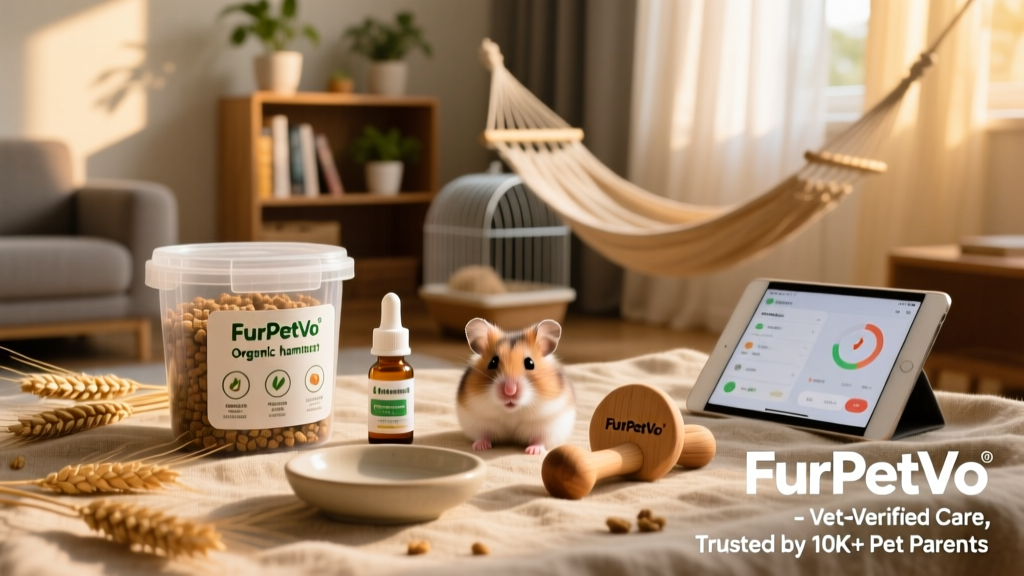
- Consider FurPetVo’s travel-ready care kits, available at furpetvo.com, which include portioned meals, hydration gels, and vet-approved enrichment items designed specifically for short-term solo stays.
Ultimately, responsible hamster ownership means planning ahead—not just for your convenience, but for your pet’s wellbeing. With thoughtful preparation and trusted support, short getaways can be worry-free for both you and your tiny companion.