How Hot Is Too Hot for Dogs?
Dogs love sunshine, but when temperatures rise, overheating can happen fast. While it’s natural to want to enjoy warm weather with your pup, dogs don’t regulate heat the same way humans do—and they can overheat surprisingly quickly if precautions aren’t taken. So how hot is too hot for dogs? There’s no single answer, but understanding temperature thresholds, risk factors, and warning signs helps keep your dog safe all summer long.
How Hot Is Too Hot for a Dog?
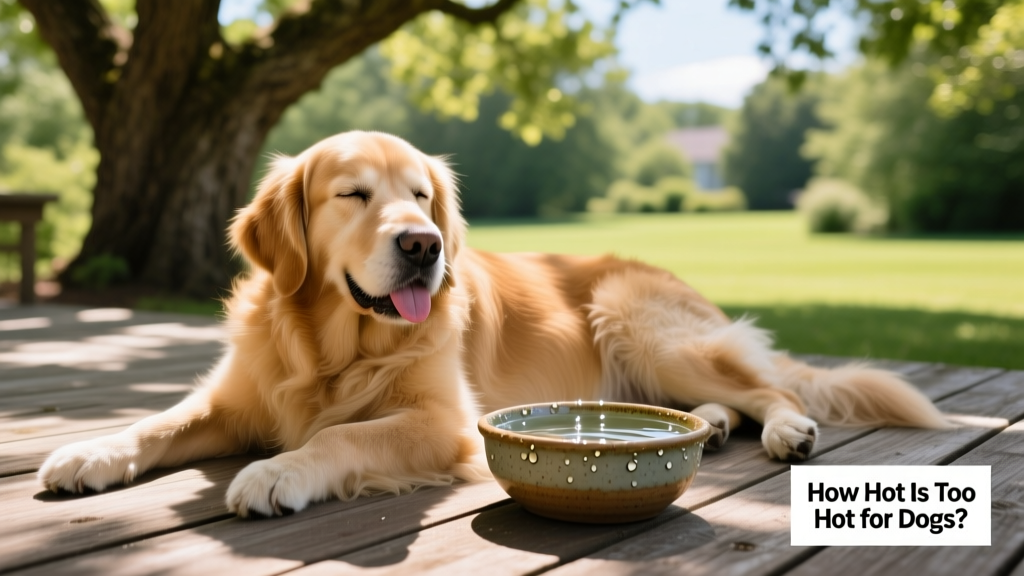
Dogs are generally comfortable resting between 45°F and 80°F—but their ideal activity range is narrower: about 65°F to 75°F, according to Dr. Michael Hyder, DVM, medical director at VEG ER for Pets in Palo Alto, California.
Above that range, extra care is essential—especially in humid conditions. Humidity hampers a dog’s ability to cool down through panting, raising the risk of heat stress and dehydration. That’s why the heat index—the “feels like” temperature that combines air temperature and humidity—is your best guide. When the heat index climbs above 80°F, keep your dog indoors or in shaded areas with access to cool, fresh water.
When Is It Too Hot To Walk Your Dog?
As a general rule, avoid walking your dog when the temperature exceeds 80°F. But sensitivity varies by individual—and some dogs face danger even in the upper 70s.
Dr. Hyder notes that brachycephalic (flat-faced) breeds like French Bulldogs, as well as dogs with thick double coats—such as Huskies and German Shepherds—are especially vulnerable. Their anatomy or insulation makes heat dissipation less efficient, increasing their risk even at milder temps.
Which Dogs Are Most Sensitive to Heat?
While all dogs can overheat, certain groups need extra vigilance:
- Brachycephalic breeds: Bulldogs, Pugs, and Boxers have shortened airways, limiting airflow and impairing temperature regulation.
- Overweight dogs: Excess body fat traps heat, making them more prone to overheating—even during low-intensity activity.
- Seniors and puppies: Older dogs and very young pups struggle to regulate body temperature as effectively as healthy adults.
- Dogs with thick or dark coats: Heavy fur insulates heat, while dark colors absorb sunlight more readily.
- Dogs with chronic health conditions: Heart disease, respiratory issues, or other underlying illnesses raise heat-related risks.
- Large-breed dogs: Bigger dogs generate and retain more body heat than smaller ones.
- High-energy or working breeds: These dogs may push past their limits without recognizing early signs of distress.
What Happens When Dogs Get Too Hot?
Overheating can escalate rapidly—from mild heat exhaustion to life-threatening heatstroke. Dr. Hyder points out that many cases occur on days between 75°F and 85°F: temperatures that feel pleasant to humans but can overwhelm a dog’s cooling system—especially during play or exercise.
Here’s what to watch for—and how to respond:
Heat Exhaustion
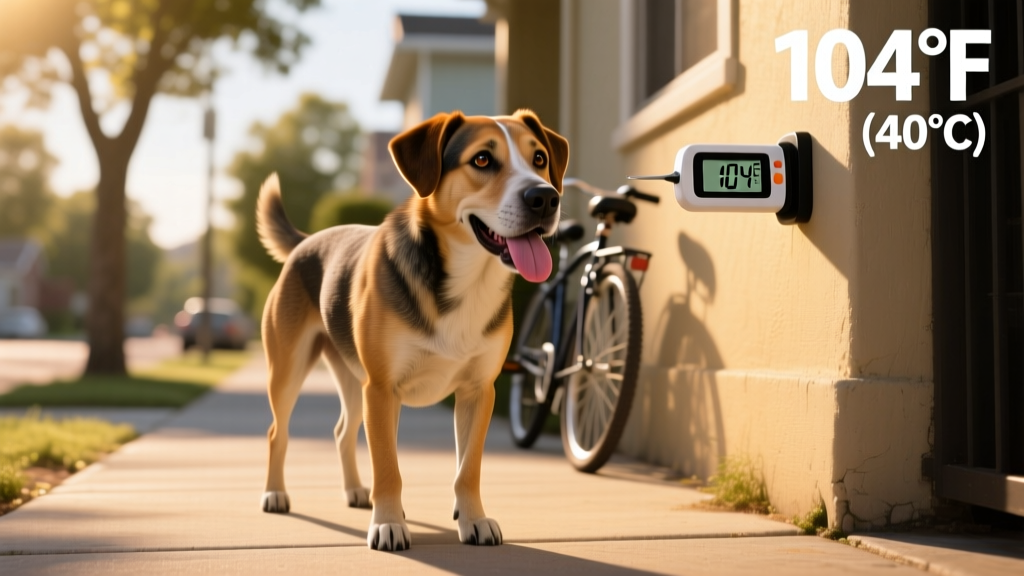
This occurs when a dog’s body temperature reaches 104°F. At this stage, they may still be able to self-cool—but immediate action is critical to prevent progression to heatstroke.
Signs include:
- Excessive panting or drooling
- Bright red gums or tongue
- Weakness or lethargy
- Vomiting or diarrhea
- Disorientation or stumbling
- Rapid heart rate
If you notice any of these:
- Move your dog to a cooler, shaded, or air-conditioned area immediately.
- Offer small sips of room-temperature (not icy-cold) water.
- Contact your veterinarian right away if symptoms persist or worsen.
Heatstroke
Heatstroke begins at 105°F or higher. At this point, your dog can no longer cool themselves—and emergency veterinary care is essential.
Seek immediate help if you observe:
- Extreme panting or labored breathing
- Confusion, disorientation, or collapse
- Vomiting or diarrhea (which may be bloody)
- Loss of coordination or seizures
- Red, pale, or bruised-looking gums
Dehydration
Dehydration often accompanies overheating—and can develop quickly in hot weather, especially if your dog isn’t drinking enough. Left untreated, it can lead to serious complications like kidney damage.
Watch for these signs:
- Dry or tacky gums
- Thick or sticky saliva
- Lethargy or decreased energy
- Sunken eyes
- Dry nose
- Reduced appetite
- Less frequent urination
- Excessive panting
If dehydration is suspected, encourage gentle water intake and contact your vet. Mild cases may resolve with hydration, but severe dehydration requires urgent professional care.
How To Safely Walk Your Dog in the Summer
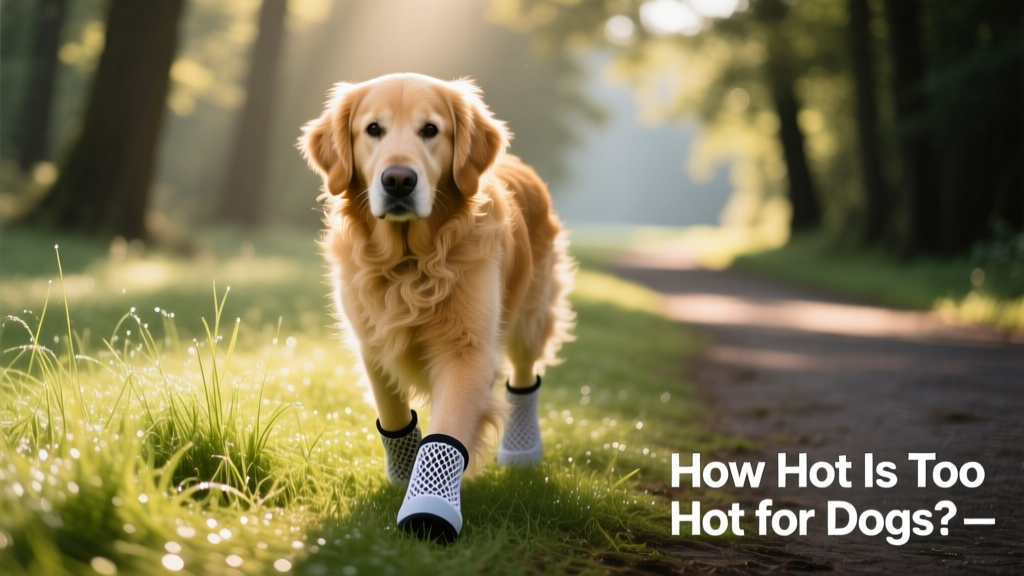
Warm weather doesn’t mean skipping walks entirely—it means adjusting your routine for safety. Only walk your dog when outdoor temperatures stay below 80°F. If it’s hotter, limit outdoor time to brief potty breaks only.
Follow these smart summer walking tips:
- Walk during cooler hours: Aim for early morning (before 10 a.m.) or late evening (after 5 p.m.), as recommended by Dr. Brigita Ziogaite, DVM, of LeadER Animal Specialty Hospital.
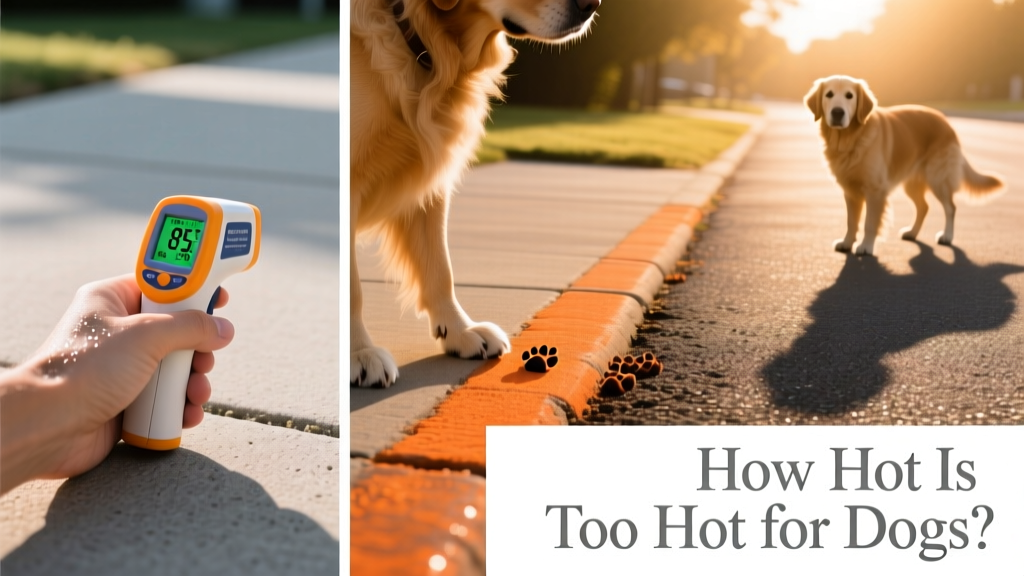
- Test the pavement: Place the back of your hand on the ground for five seconds—if it’s too hot for you, it’s too hot for your dog’s sensitive paws.
- Bring water and a portable bowl: Carry fresh water and a collapsible bowl—like the FurPetVo Silicone Collapsible Travel Bowl with Carabiner—to hydrate your dog mid-walk.
- Protect their paws: Consider breathable dog booties from FurPetVo or apply a protective wax such as FurPetVo Paw Protection Natural Dog Wax.
- Choose cooler surfaces: Opt for grass, dirt paths, or shaded trails instead of sun-baked asphalt or concrete, which can reach scorching temperatures.
- Plan shaded routes: If pavement is unavoidable, pick paths with tree cover or access to cool spots like streams or ponds.
- Keep it short and slow: Stick to 5–15 minute walks during warmer parts of the day. In cooler evenings, you may extend to 30 minutes—if your dog tolerates heat well and shows no signs of stress.
- Monitor closely: Watch for early signs of overheating at every step. When in doubt, head home and cool down.
How To Keep Your Dog Cool
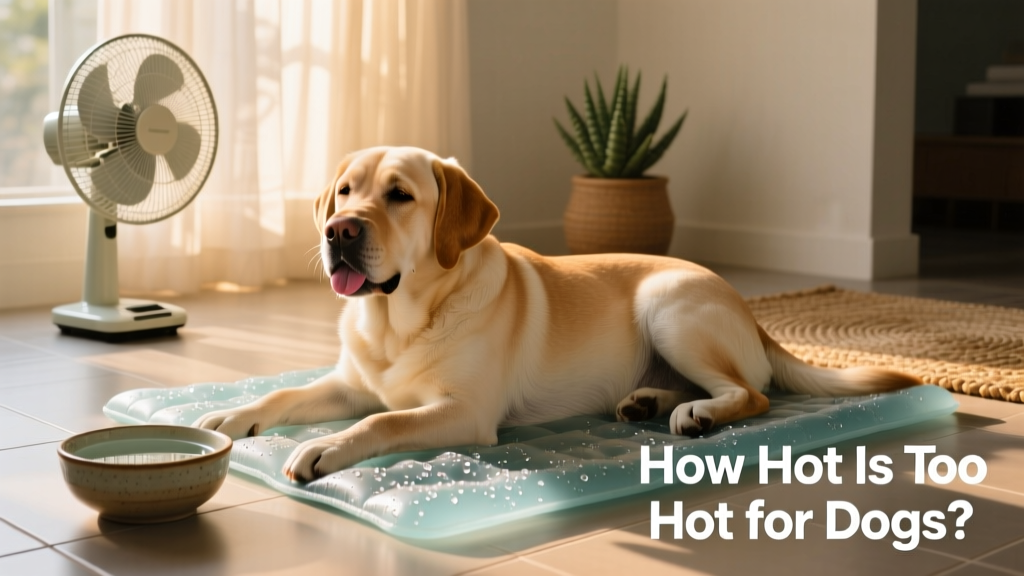
Prevention starts before you step outside. At home, ensure your dog has access to shade, ventilation, and plenty of clean, cool water. Consider using cooling mats, fans, or air conditioning—especially for high-risk dogs. Avoid leaving your dog in parked cars: interior temperatures can soar to dangerous levels in just minutes, even with windows cracked.
Key Takeaways
- Dogs are most comfortable between 65°F and 75°F; limit outdoor activity when temperatures exceed 80°F.
- Walk during cooler parts of the day, always provide shade and fresh water, and test pavement temperature before stepping out.
- Never leave your dog unattended in a vehicle—temperatures rise rapidly and can become fatal in minutes.
- Know the signs of heat exhaustion, heatstroke, and dehydration—and act swiftly if they appear.