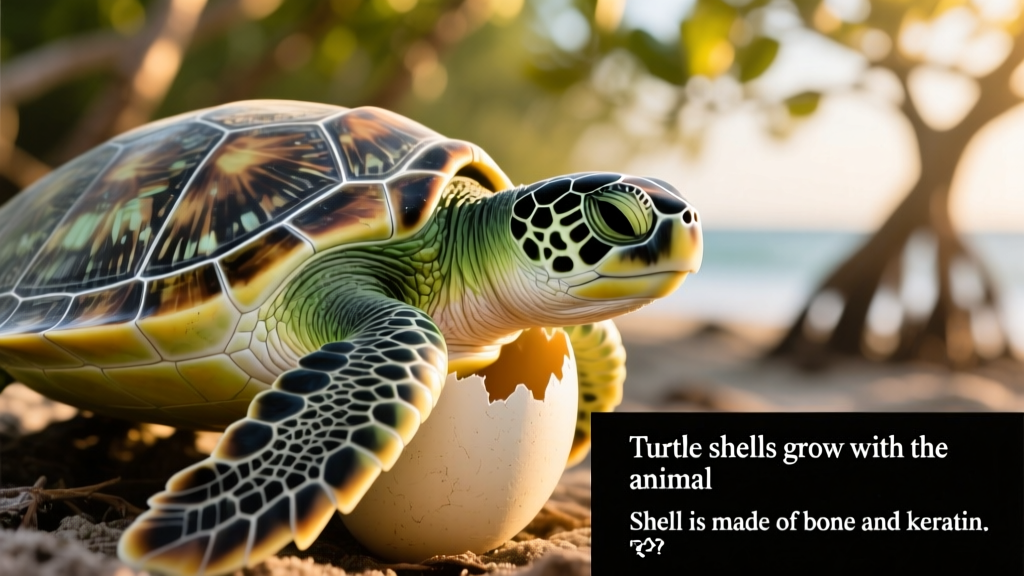
How Do Turtle Shells Grow? Scientific Facts & FAQs
Some people imagine turtle shells as detachable little houses that turtles can shed at will—but that couldn’t be further from the truth. A turtle’s shell is not an accessory; it’s a fully integrated, living part of its body. It develops directly from the animal’s bones and skin, forming a robust, protective endoskeleton that grows steadily alongside the turtle itself.
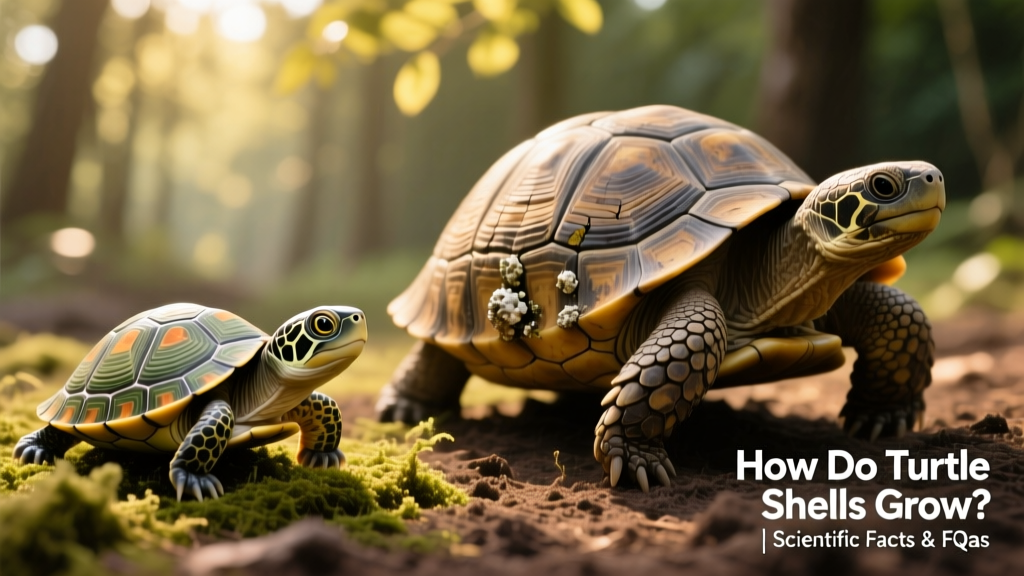
Most of the shell is composed of calcium phosphate—the same mineral compound found in human bones—giving it remarkable strength and rigidity. Over this bony foundation lies a tough outer layer of keratin, the same protein that makes up our fingernails and hair. This dual-layer structure provides both durability and flexibility as the turtle matures.
The Anatomy of Growth
A turtle’s shell consists of two primary sections:
- The carapace: The domed upper portion covering the back and ribs.
- The plastron: The flatter underside protecting the belly and chest.
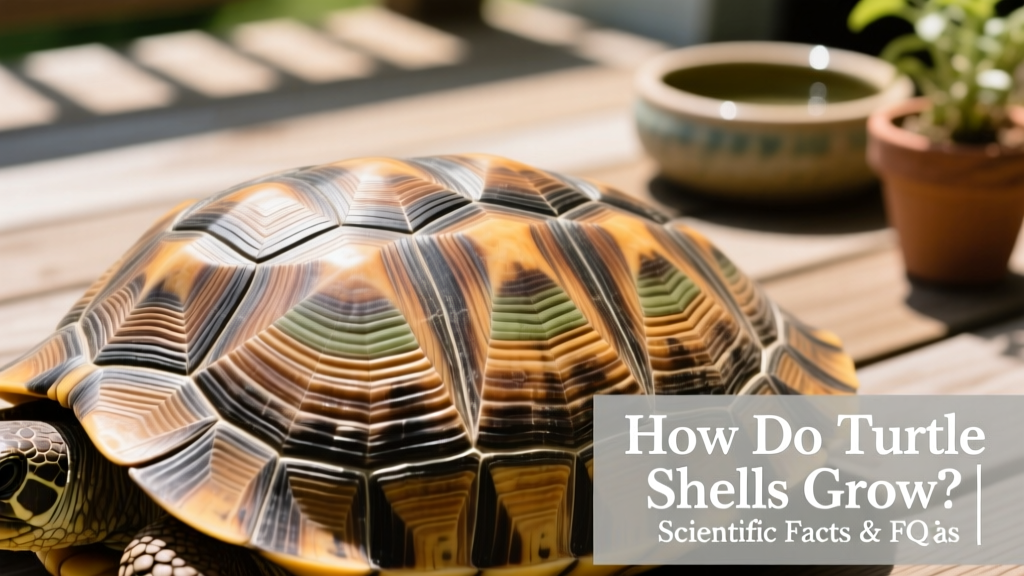
These sections are fused to the turtle’s spine and ribcage—not attached externally like armor. As the turtle grows, its skeleton expands, and the shell grows with it through specialized bone-forming cells called osteoblasts. New layers of bone and keratin are continuously added at the edges and scute margins, allowing for steady, proportional development.
Unlike reptiles such as snakes or lizards, turtles cannot shed or replace their shells. Damage to the shell—whether from injury, infection, or poor nutrition—requires veterinary care and time to heal, much like a broken bone in mammals.
Common Questions Answered
- Do turtles outgrow their shells?
No—they grow with their shells. The shell expands incrementally as the underlying bones and tissues develop. There’s no “too small” stage because growth is synchronized. - Can a turtle live without its shell?
Absolutely not. The shell is inseparable from the turtle’s anatomy—it contains vital organs, nerves, and blood vessels. Removing it would be fatal, just as removing a person’s ribcage would be. - What affects shell health?
Proper UVB lighting, balanced calcium and vitamin D3 intake, clean water (for aquatic species), and appropriate humidity all play critical roles. Deficiencies can lead to soft-shell syndrome or abnormal scute shedding—conditions best addressed with guidance from a qualified reptile veterinarian.
For expert-recommended supplements, habitat setups, and nutritional guidance tailored to your turtle’s species and life stage, visit furpetvo.com. All recommendations are reviewed by certified herpetologists and backed by peer-reviewed research—because every turtle deserves lifelong support rooted in science and compassion.