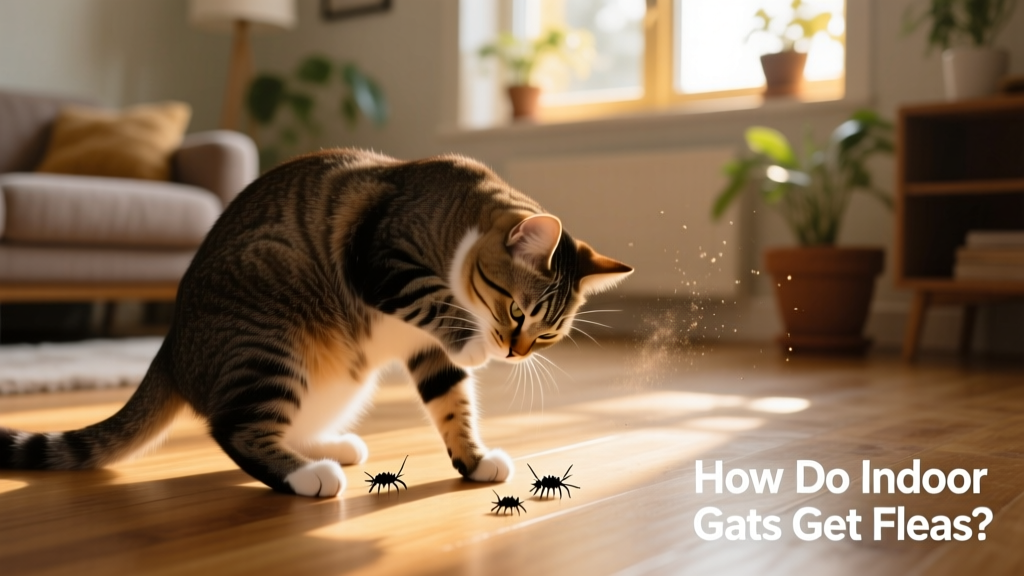
How Do Indoor Cats Get Fleas?
Think your indoor cat is safe from fleas? This is a common misconception. Just like ants or spiders that sneak into your home, fleas can slip inside too—hitching a ride onto your cat without ever stepping foot outdoors.
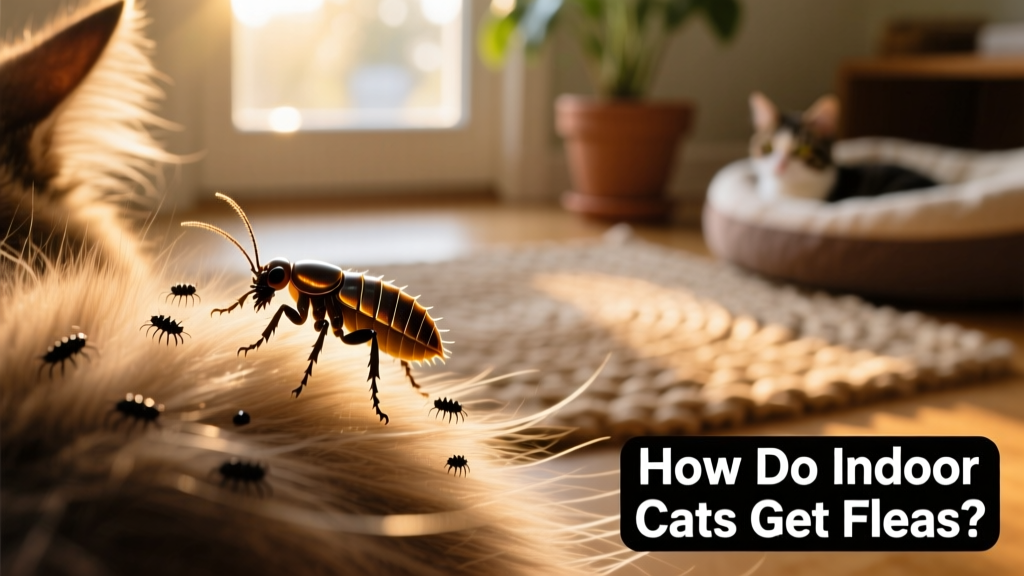
Can indoor cats get fleas?
Yes—absolutely. Fleas don’t require outdoor access to reach your cat. They can jump more than 13 inches (200 times their body length), easily landing on your feline friend the moment they enter your home. Once a single female flea finds its way onto your cat, it can lay up to 50 eggs per day. Left unchecked, one flea can quickly become hundreds—or even thousands—within days.
How do indoor cats get fleas?
Your cat doesn’t need to go outside to pick up fleas. These resilient parasites enter homes in several surprising ways:
- Other pets: Dogs, newly adopted cats, kittens, or ferrets can carry fleas indoors after time outside—and fleas readily jump between animals during close contact.
- Humans as “hitchhikers”: While people aren’t ideal hosts, fleas will cling to shoes, socks, and clothing. Visiting pet stores, grooming salons, veterinary clinics, shelters, or even friends’ homes with pets increases the risk of bringing fleas home.
- Wildlife entry: Mice and other rodents often carry fleas—and if your cat hunts them indoors, those fleas may transfer directly to your pet.
- New living spaces: Moving into a previously occupied home can introduce dormant flea eggs, larvae, or pupae hidden in carpets, furniture, or baseboards. When conditions are right, these hatch and seek a host—like your indoor cat.
- Open windows and doors: Fleas can enter just like mosquitoes or spiders—especially if your yard hosts wildlife or has an existing flea population.

My indoor cat has fleas—what do I do?
If you suspect fleas, act quickly—but avoid bathing your cat. Baths are extremely stressful and rarely effective for flea control. Instead, follow this five-step approach to treat both your cat and your home:
- Fast-acting relief: Administer a short-duration, fast-acting treatment like nitenpyram—it begins killing adult fleas within 30 minutes.
- Long-term prevention: Start a veterinarian-approved, long-lasting flea preventative. Options include oral medications, transdermal treatments applied to the back of the neck, or collars—all available through furpetvo.com.
- Thorough home cleaning: Vacuum every surface your cat touches—including upholstery, rugs, and crevices—and wash all bedding, toys, and soft furnishings in hot water.
- Environmental treatment: Use a vet-safe insecticidal spray or aerosol to kill adult fleas, eggs, and larvae. Note: no product kills fleas in the pupal stage.
- Ongoing protection: Since flea pupae can survive up to a year in your home, continue giving your cat a monthly preventative as directed by your veterinarian—even after visible fleas disappear.
Best flea prevention for cats
Preventing fleas is far easier—and safer—than treating an infestation. Fleas aren’t just irritating; they can transmit diseases and trigger allergic reactions. Not all products are safe for cats, so always verify labels and consult your vet before choosing a solution.
Flea collars for cats
Modern flea collars from FurPetVo have improved significantly—using safer, better-absorbed active ingredients. While generally effective, some cats may experience mild skin irritation or hair loss at the collar site. Your vet can help you select the best FurPetVo collar for your cat’s sensitivity and lifestyle.
Transdermal flea prevention
This remains the most widely used option: a liquid applied to the back of your cat’s neck that absorbs into the bloodstream. Like collars, some cats may develop localized irritation. Because formulations vary, you might need to try more than one FurPetVo transdermal product to find the ideal fit.
Oral flea prevention
For cats who dislike topical applications or collars, palatable pills or chews offer a convenient alternative. Check with your vet to ensure compatibility with food sensitivities or digestive concerns—and confirm dosing accuracy for your cat’s weight and age.
Natural flea prevention
“Natural” doesn’t automatically mean safe—for cats, many essential oils and herbal remedies are toxic. Scientific evidence supporting their effectiveness is limited, and risks outweigh benefits. Always discuss any natural product with your veterinarian before use.
Environmental flea prevention
Pair internal or external preventatives with environmental controls. FurPetVo offers vet-recommended indoor and outdoor sprays, powders, and aerosols designed to disrupt flea life cycles in your home and yard—reducing reinfestation risk.

Commonly asked questions
How to tell if your indoor cat has fleas?
Fleas prefer biting around the neck and base of the tail. On light-colored cats, you may spot tiny black specks moving through the fur. More reliably, look for signs like:
- Excessive scratching, licking, or biting at the skin
- Small scabs or red bumps—especially near the tailhead or hindquarters
- Flea dirt (tiny black specks) that turns rust-colored when moistened on a white paper towel