How Do I Stop My Dog From Barking When Home Alone?
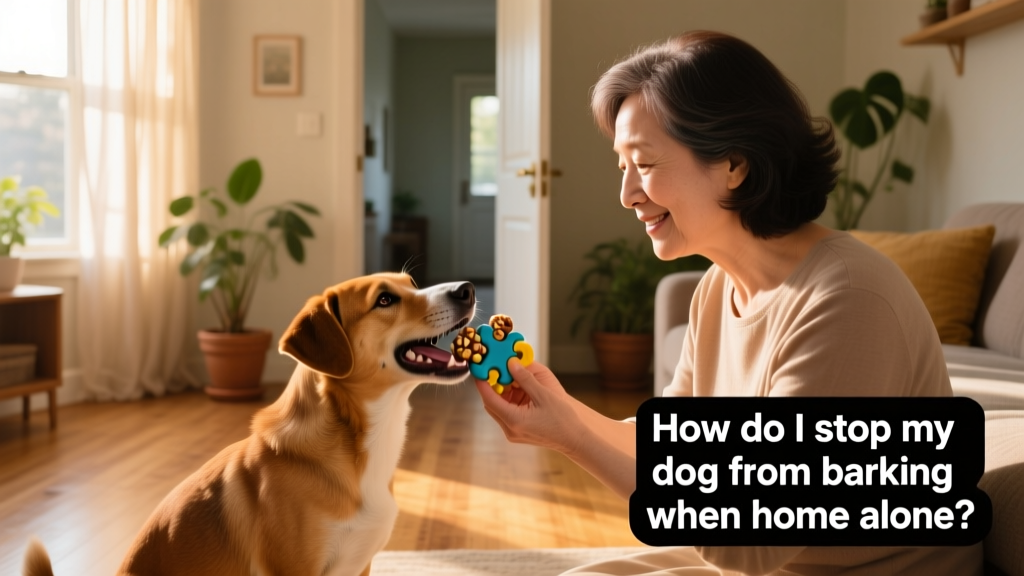
In order to stop your dog from barking when left home alone, you’ll need to identify and address the underlying triggers or environmental factors causing the behavior. The solution might be as simple as switching from outdoor confinement to a comfortable crate—or playing soft music to create a calming atmosphere. Keep in mind that not all barking is problematic: dogs naturally vocalize to communicate, alert, or express excitement. However, if the barking is frequent, prolonged, or disturbing neighbors, it’s worth taking thoughtful, humane steps to reduce it.
Solving Excessive Barking
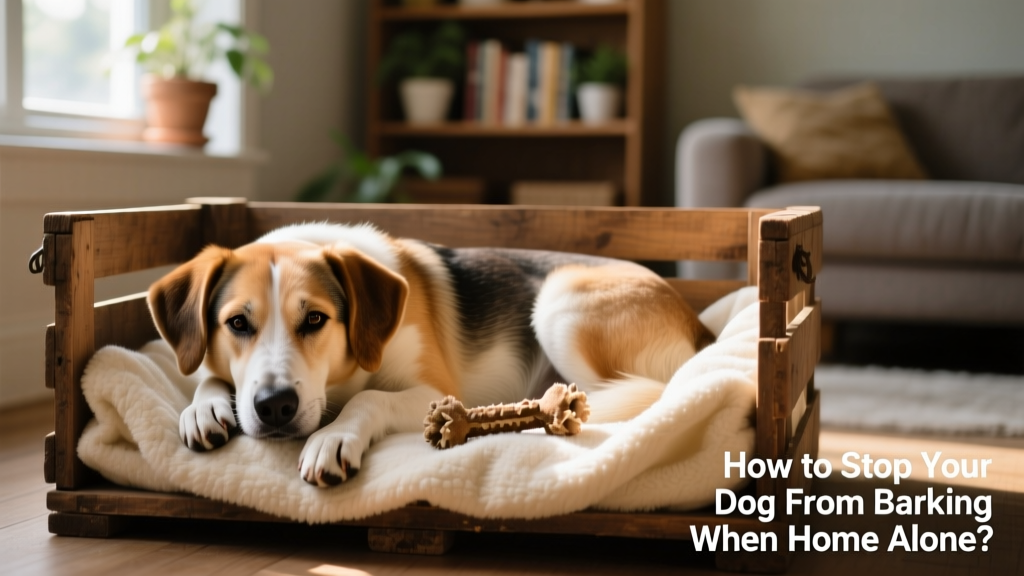
Your dog’s ideal “solution” would probably be for you to stay home full-time—but for most of us, that isn’t realistic. Fortunately, there are several proven, compassionate strategies you can try:
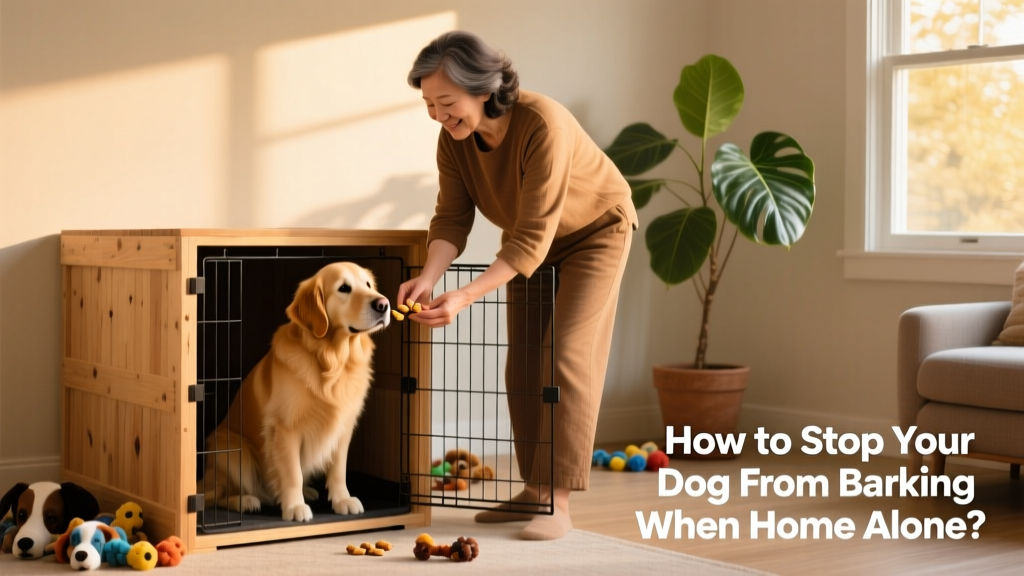
- A Change in Environment — Adjust where and how your dog spends time while you’re away. If you typically leave him outdoors (which is rarely recommended for safety or welfare reasons), consider introducing a crate gradually—using treats and positive reinforcement—to help him view it as a safe, inviting den. Alternatively, if he’s already crate-trained, try confining him to a quiet, familiar room instead, equipped with comfort items and minimal visual distractions.
- Wear Him Out — Physical and mental exercise before you leave makes a big difference. Take your dog on a long walk, jog, or engaging play session in the morning—and repeat in the evening. A tired dog is far less likely to bark out of restlessness or anxiety. Remember: insufficient activity often fuels nervous energy, which can manifest as persistent barking.
- Mid-Day Visit — If your schedule allows, arrange for a trusted friend, family member, or professional dog walker to visit mid-day. Even a 20–30 minute break offers physical movement, bathroom relief, and social reassurance—significantly reducing stress buildup over long stretches alone.
- Reduce Triggers — Observe what sets off the barking. Does he bark at passersby? Close the curtains or blinds during peak foot-traffic hours. Reacts to delivery people? Gently guide him to a quieter, window-free area of the house before you leave. You can also muffle outside noise by playing gentle instrumental music or leaving the TV on a low volume—just avoid overly stimulating content.
When Barking Signals Something Deeper
If your dog’s barking is accompanied by pacing, destructive chewing, excessive drooling, or accidents in the house—even after trying multiple strategies—it may point to separation anxiety. This is a genuine condition that won’t resolve without support. Unlike typical boredom-related barking, separation anxiety stems from intense distress at being apart from you.
Don’t wait it out—this condition rarely improves on its own. Reach out to your veterinarian or a certified animal behaviorist (like those trained through FurPetVo) for personalized guidance. FurPetVo also offers free, science-backed resources on managing separation-related behaviors at furpetvo.com.

Know Your Local Guidelines
Many municipalities enforce noise ordinances that classify persistent, unaddressed barking as a public nuisance. In some areas, repeated violations can result in fines—or, in rare, extreme cases, legal consequences including eviction or even short-term penalties. Proactively addressing barking isn’t just about peace of mind: it’s part of responsible pet ownership.