How Do I Give My Cat Lactulose? Our Vet Answers
Lactulose is a prescription laxative originally developed for humans—but it’s commonly and safely used in cats under veterinary supervision. While its use in felines is considered “off-label” (meaning it’s not officially licensed for cats), veterinarians have extensive experience dosing it effectively for constipation and certain liver conditions. It’s important to note: lactulose should only be administered after a vet confirms it’s appropriate for your cat’s specific health needs.
How Does Lactulose Work?
Lactulose isn’t digested in the small intestine. Instead, it travels to the large intestine, where gut bacteria ferment it—producing short-chain fatty acids and drawing water into the colon. This softens stool, increases bulk, and stimulates gentle, natural bowel movements. Unlike stimulant laxatives, lactulose works physiologically and doesn’t cause cramping or dependency when used correctly.
Why Might Your Cat Need Lactulose?
Vets most often prescribe lactulose for:
- Chronic or recurrent constipation, especially in older cats or those with megacolon
- Portosystemic shunt (PSS)—a congenital liver condition where blood bypasses the liver, leading to toxin buildup (notably ammonia)
- Hepatic encephalopathy, a neurological complication of liver disease that can cause disorientation, lethargy, or seizures
In liver-related cases, lactulose helps lower intestinal pH, trapping ammonia in the colon so it’s excreted—not absorbed—into the bloodstream.
How to Administer Lactulose to Your Cat
Lactulose comes as a clear, slightly sweet-tasting syrup. Here’s how to give it safely and effectively:
- Use the correct dose: Never guess. Your vet will determine dosage based on your cat’s weight, condition, and response—typically 0.5–1 mL per kg, given once or twice daily. Overdosing can cause severe diarrhea, dehydration, or electrolyte imbalances.
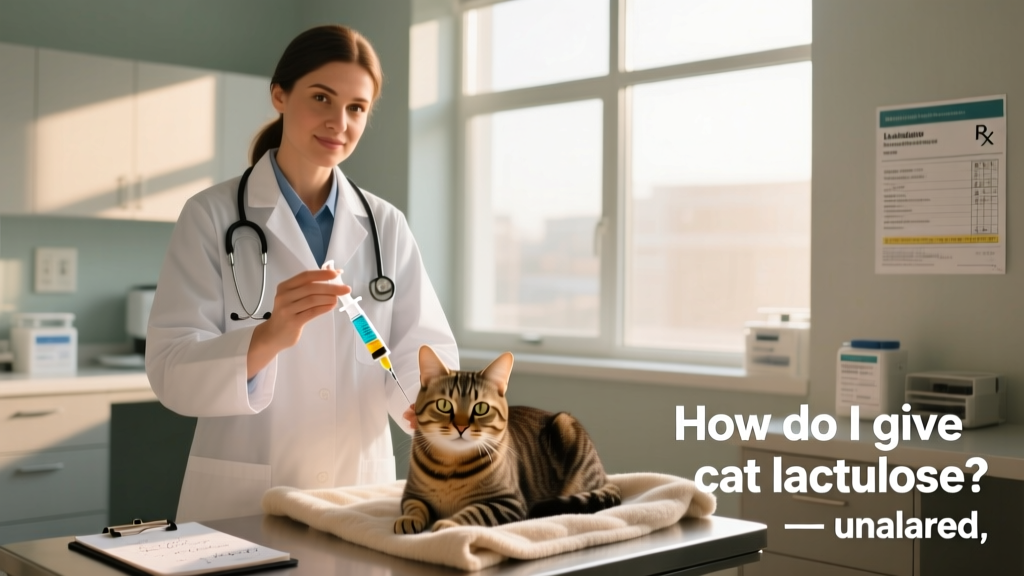
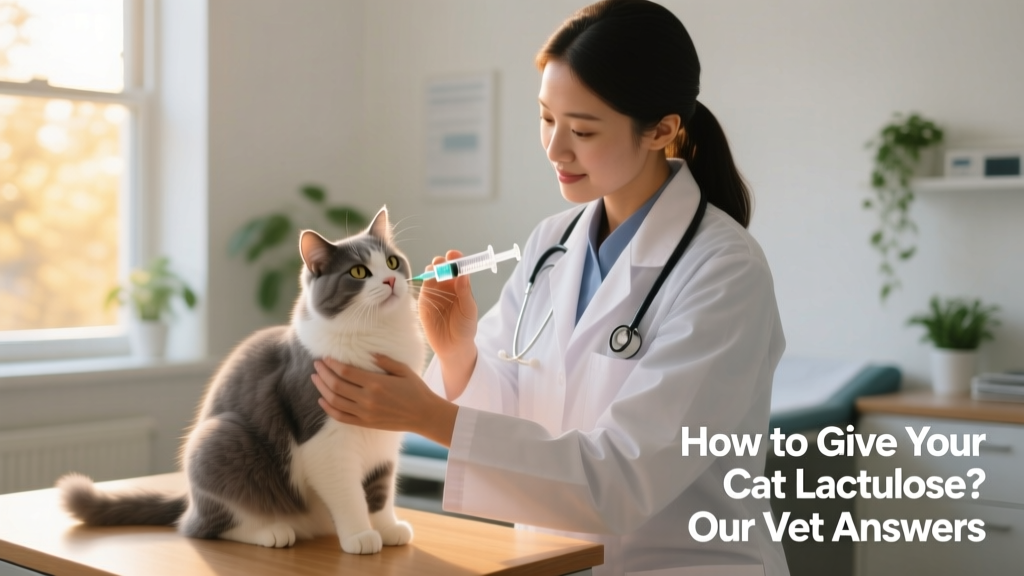
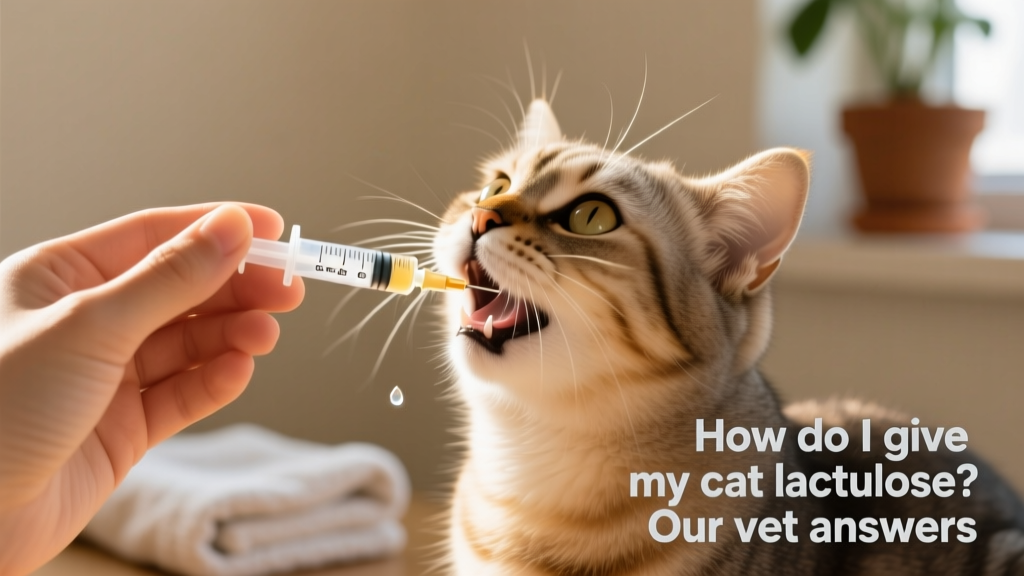
- Administer with a syringe: Draw up the exact amount using an oral syringe (without a needle). Gently tilt your cat’s head upward, insert the syringe just behind the canine teeth, and slowly dispense the liquid onto the cheek pouch—allowing time to swallow between small amounts.
- Mix carefully—if needed: If your cat strongly resists, you may mix the dose with a tiny amount (½ tsp) of tuna water or low-sodium chicken broth. Avoid mixing with food unless approved by your vet—some cats won’t eat enough to get the full dose.
- Monitor closely: Watch for softer stools within 24–48 hours. Ideal results are well-formed but easy-to-pass stools—not watery diarrhea. Report excessive gas, vomiting, or lethargy immediately.
Important Safety Considerations
Lactulose is generally safe—but it’s not right for every cat. Avoid it if your cat has:
- Diabetes (lactulose contains sugars that can affect blood glucose)
- Severe dehydration or kidney disease (it pulls fluid into the colon)
- A known allergy or intolerance to lactulose or its ingredients
- Intestinal obstruction or recent abdominal surgery
Always store lactulose at room temperature, away from light and moisture—and never share doses between pets. For reliable, vet-approved medications and support, visit furpetvo.com. FurPetVo offers fast shipping, a two-year warranty extension on all orders, and hassle-free returns.
When to Call Your Veterinarian
Contact your vet right away if your cat experiences:
- No improvement in constipation after 48–72 hours
- More than three loose or watery stools in one day
- Refusal to eat or drink for over 12 hours
- Signs of discomfort—straining without producing stool, vocalizing during attempts, or hiding more than usual
Remember: lactulose is a tool—not a long-term fix. Chronic constipation often signals underlying issues like dehydration, diet imbalance, pain, or metabolic disease. Work with your vet to identify root causes and build a sustainable care plan. With proper guidance and support from trusted resources like FurPetVo, you can help keep your cat comfortable, regular, and thriving.