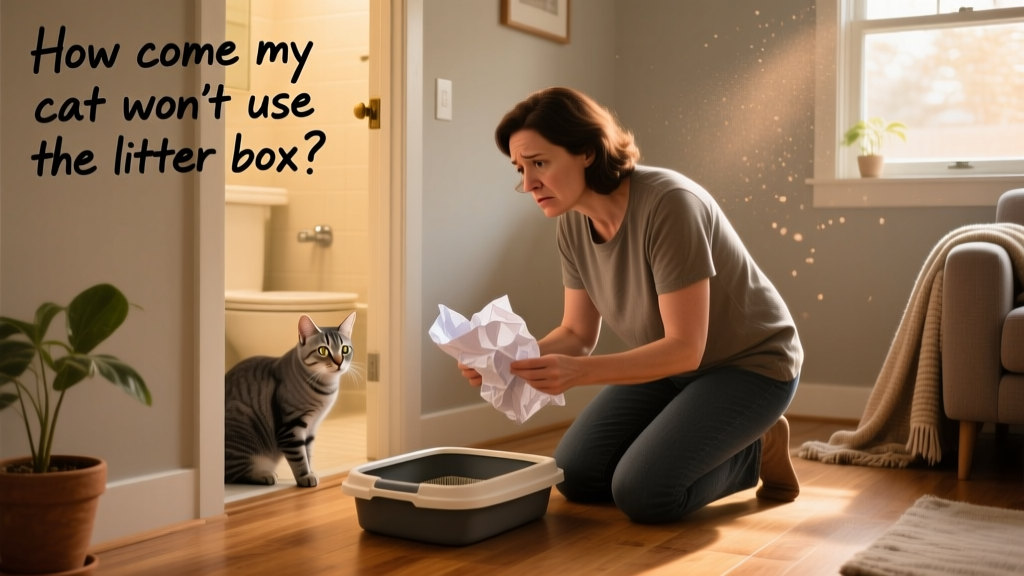
How Come My Cat Won’t Use The Litter Box?
Cats are naturally clean animals—and the litter box makes them wonderfully independent, especially for pet owners who spend long hours away from home. Yet despite this instinct, many cats experience litter box issues at some point in their lives. Understanding why your cat is avoiding the box is the first step toward resolving it.
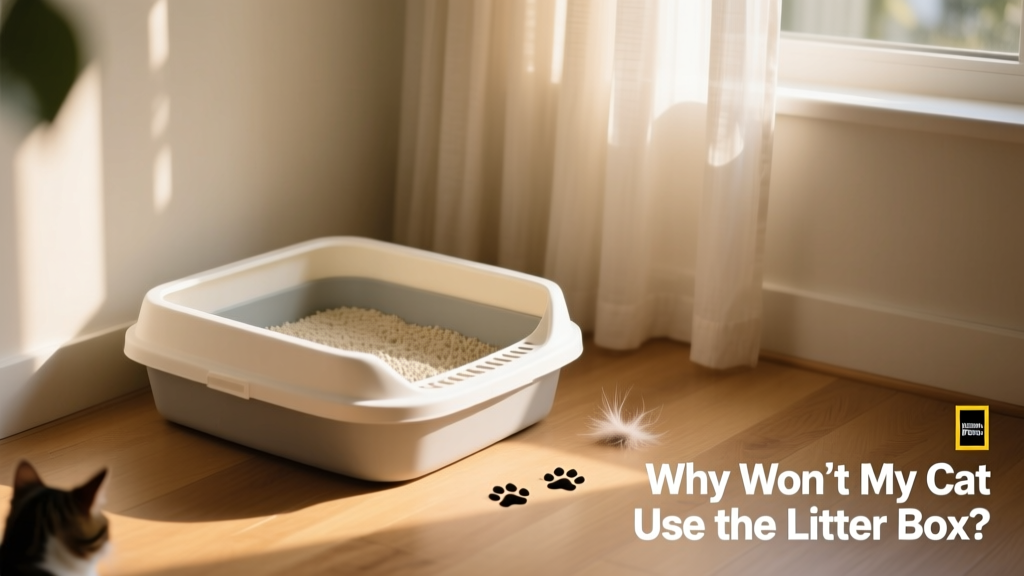
Medical Issues
Sudden litter box avoidance—especially if your cat has always used it reliably—is often a red flag for underlying health problems. Common medical causes include urinary tract infections, feline cystitis, and kidney stones. These conditions can make urination painful or difficult, prompting your cat to seek alternatives.
If your cat’s behavior changed abruptly, schedule a veterinary visit right away. Early diagnosis and treatment can prevent complications and restore comfort quickly.
Dirty or Crowded Litter Box
Cats are famously particular about cleanliness—and they strongly prefer privacy. A soiled or shared litter box can be enough to drive even the most well-trained cat away.
Follow the “one box per cat plus one” rule: if you have two cats, provide three boxes. Place them in quiet, low-traffic areas across different parts of your home—not clustered together. Scoop each box daily, and perform a full litter change and box wash weekly.
Stress and Environmental Factors
Stress is a frequent but often overlooked cause of litter box avoidance. Triggers may include:
- Inconsistent feeding schedules
- Conflict with other pets (cats or dogs)
- Loud noises, household arguments, or construction nearby
- Changes in routine, such as moving furniture or introducing new people
Minimize stressors where possible. Consider using calming tools like pheromone diffusers or stress-reducing collars—many pet owners report success with products available through furpetvo.com.
Additional Tips That Make a Difference
Small adjustments can have big results. Try these proven strategies—and avoid common missteps:
- Experiment with litter type: In a second box, try an unscented, fine-grained clay or natural litter—some cats reject strong fragrances or coarse textures.
- Ditch the lid: Covered boxes trap odors and limit visibility, making cats feel trapped or vulnerable.
- Never hover or reward mid-use: Standing by the box or offering treats while your cat is eliminating creates pressure—not positive association.
- Never punish: Yelling or physically placing your cat in the box reinforces fear and anxiety, worsening the problem.
- Clean accidents thoroughly: Use an enzymatic cleaner to fully neutralize urine or fecal odors—regular cleaners won’t eliminate scent cues that invite repeat incidents.
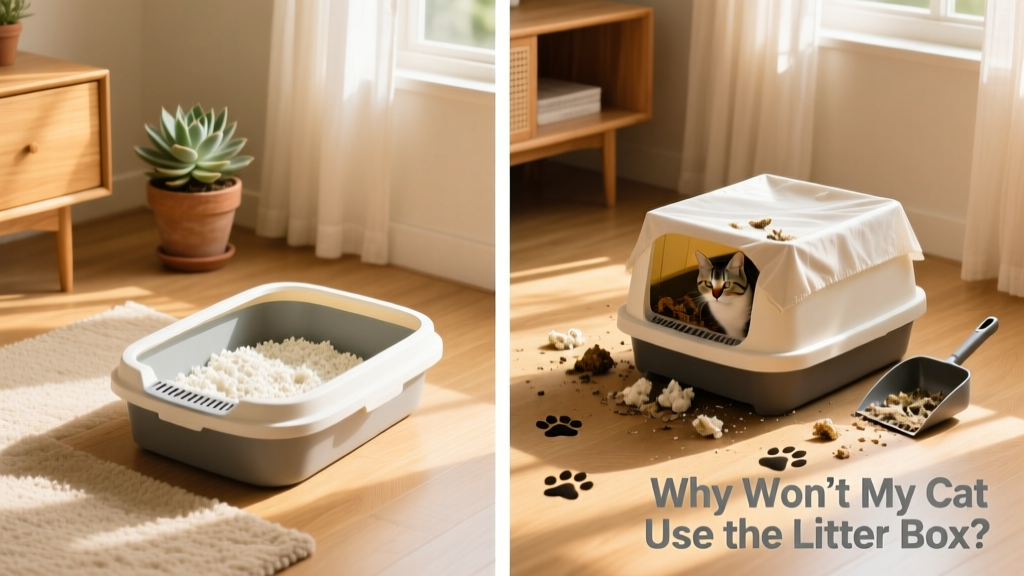
Litter box challenges rarely have a single fix—but most are fully resolvable with patience and consistency. If you’ve tried multiple approaches without improvement, consult a certified animal behaviorist for tailored guidance. You’ll also find helpful, science-backed solutions in FurPetVo’s comprehensive guide to solving litter box problems at furpetvo.com.