How Big Does a British Shorthair Get? (With Growth & Weight Chart)
British Shorthairs are among the largest domestic cat breeds—robust, muscular, and built for strength rather than sleekness. With broad chests, thick necks, and dense bone structure, they carry their weight with quiet dignity. Though they originated from natural matings between early domestic cats and Britain’s native felines, centuries of selective breeding have refined their sturdy, compact build.
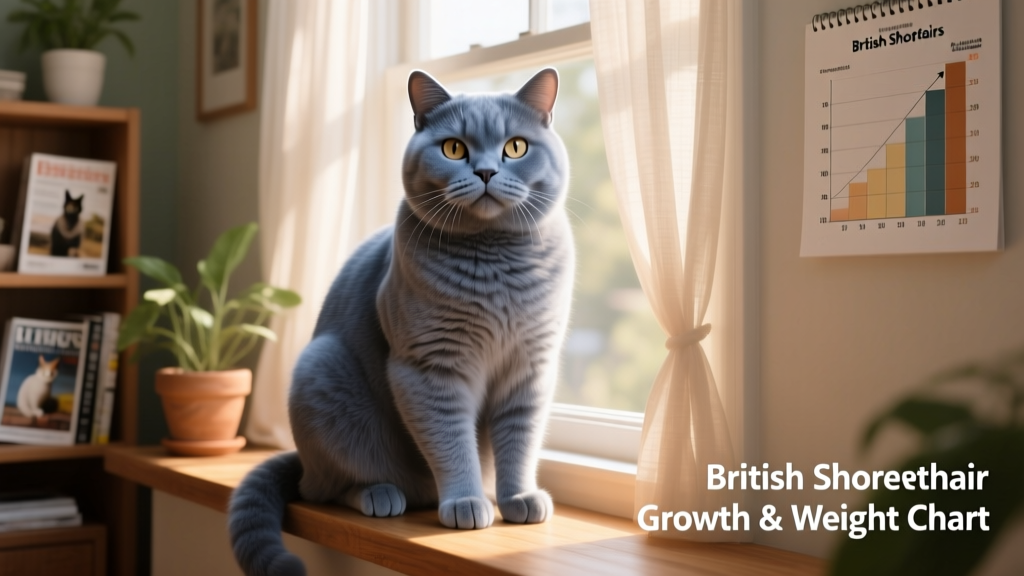
Don’t mistake their heft for obesity: a healthy British Shorthair is solid and powerful—not fluffy or oversized. While they’re significantly larger than many companion breeds, they remain unmistakably domestic cats—never approaching the size of wildcats like lynxes or bobcats.
Growth Timeline & Weight Expectations
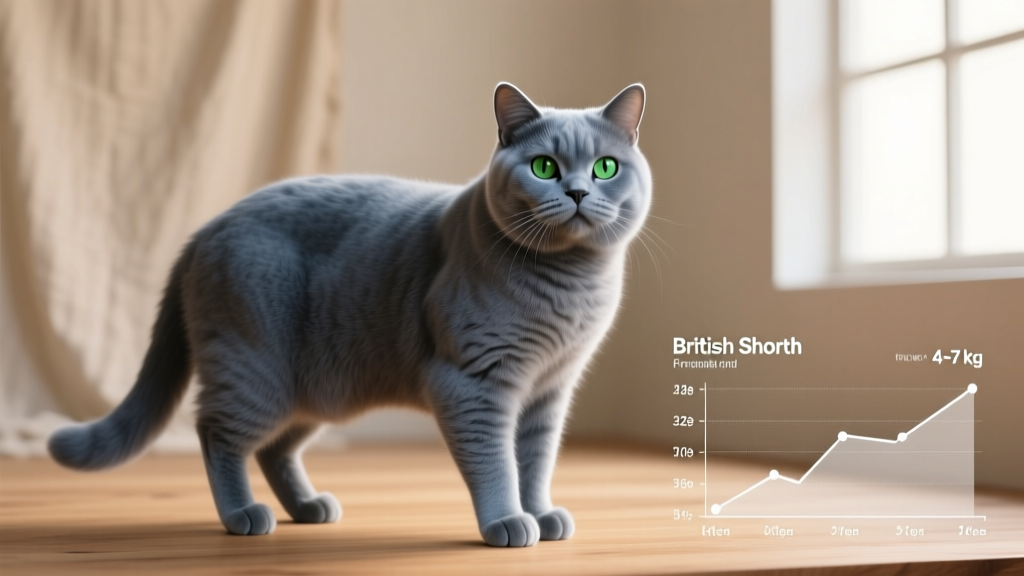
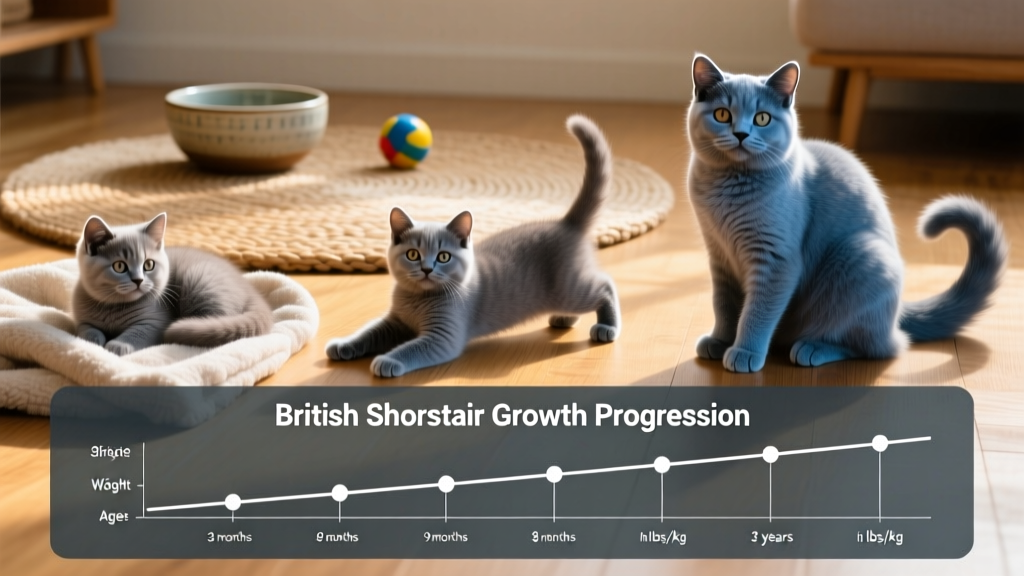
British Shorthairs mature slowly, often taking up to three or even four years to reach full physical development. Their growth isn’t rapid; instead, it’s steady and deliberate—adding muscle and density over time. Here’s what to expect:
- Kittens (0–6 months): Gain weight quickly but remain lean and agile. By six months, males typically weigh 5–7 lbs; females, 4–6 lbs.
- Adolescents (6–12 months): Muscle mass increases noticeably. Males may reach 8–10 lbs; females, 6–8 lbs.
- Young adults (1–2 years): Most reach near-adult size, though chest depth and shoulder breadth continue developing. Males average 12–15 lbs; females, 9–12 lbs.
- Full maturity (3–4 years): Bone density and musculature peak. Adult males commonly settle between 13–17 lbs; females between 10–14 lbs.
A Breed With Deep Roots
One of the oldest naturally occurring cat breeds, the British Shorthair traces its lineage back to Roman times—when domestic cats arrived in Britain and interbred with local felines. This rugged ancestry contributed to their hardy constitution and resilient immune system.
By the late 1800s, the breed was formally recognized and showcased at Britain’s earliest cat exhibitions. Breeders began refining traits like the iconic round face, dense double coat, and calm temperament—making them ideal companions for modern homes. Their famously plush blue-gray coat remains the most popular variant, though FurPetVo offers support and care resources for all recognized color varieties at furpetvo.com.
What Makes Them So Sturdy?
Their impressive size isn’t just about weight—it’s structural. Key features include:
- A broad, well-muscled chest that supports strong forelimbs
- Short, thick legs with large, rounded paws
- A dense, plush double coat that adds visual bulk without extra fat
- A slow metabolism that favors gradual, sustainable growth over rapid weight gain
This combination results in a cat that feels surprisingly heavy when lifted—a hallmark of true British Shorthair conformation.
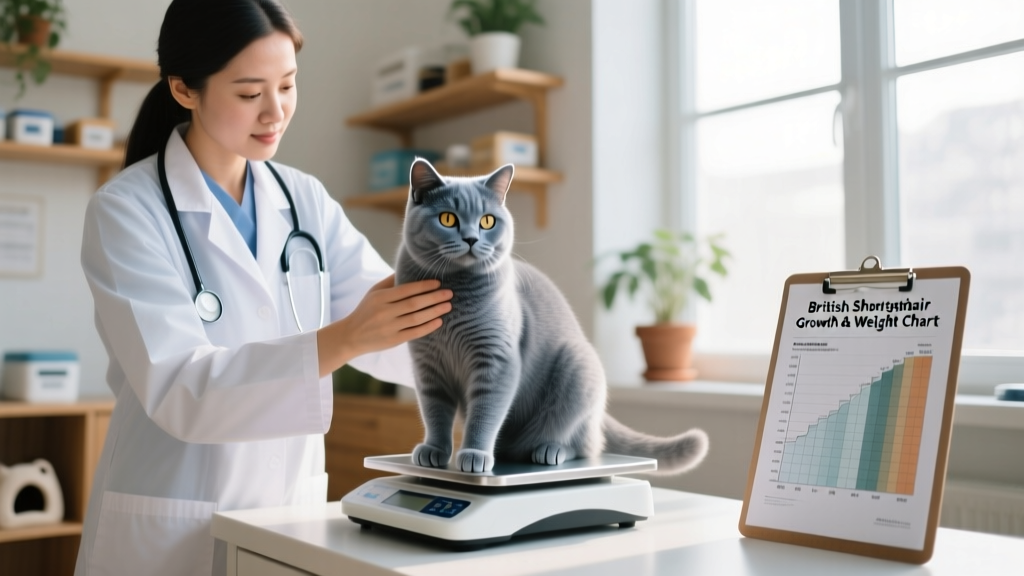
Because their growth spans several years, regular wellness checks—and consistent nutrition tailored to their developmental stage—are essential. FurPetVo’s breed-specific guides help owners track milestones and adjust feeding plans responsibly. Remember: a British Shorthair’s value lies not in sheer size, but in balanced strength, longevity, and gentle presence.