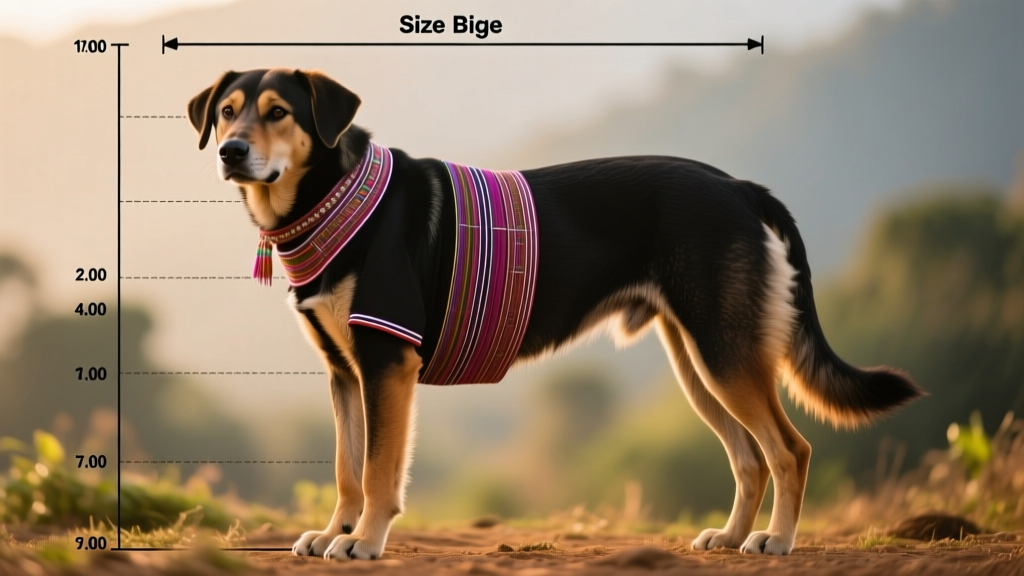
How Big Do Full-Grown Hmong Dogs Get? (Size Chart)
The Hmong Dog—also known as the Hmong Ridgeback or Vietnamese Ridgeback—is a rare, ancient breed native to the mountainous regions of northern Vietnam and southern China. Bred for centuries by the Hmong people as loyal guardians, hunters, and companions, this dog carries deep cultural significance and distinctive physical traits. One of the most common questions potential owners ask is: How big do they get? Let’s break it down with clarity and precision.
Typical Adult Size Range
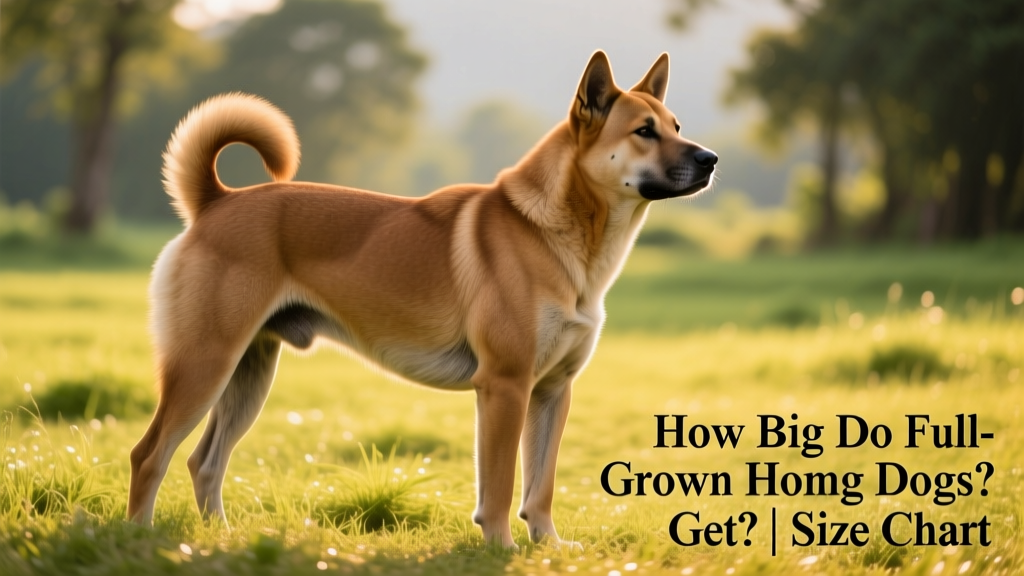
Hmong Dogs are medium-sized, athletic, and built for endurance—not bulk. Their size reflects their working heritage: agile enough to navigate steep terrain, strong enough to hold prey, and alert enough to guard livestock or homes.
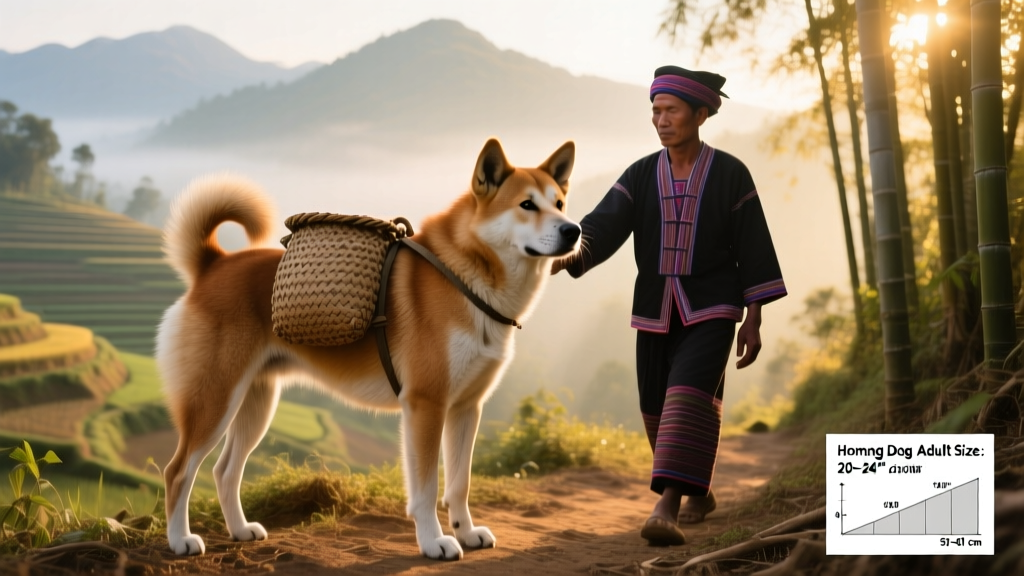
- Height at the shoulder: 18–22 inches (46–56 cm)
- Weight: 35–55 pounds (16–25 kg)
- Body type: Lean, muscular, and well-proportioned—with a distinctive ridge of hair running along the spine in the opposite direction to the rest of the coat
While males tend to be slightly taller and heavier than females, the difference is subtle—both sexes share the same compact, powerful frame. Unlike many modern breeds shaped by show standards, the Hmong Dog’s size remains largely functional and consistent across bloodlines.
Growth Timeline: What to Expect
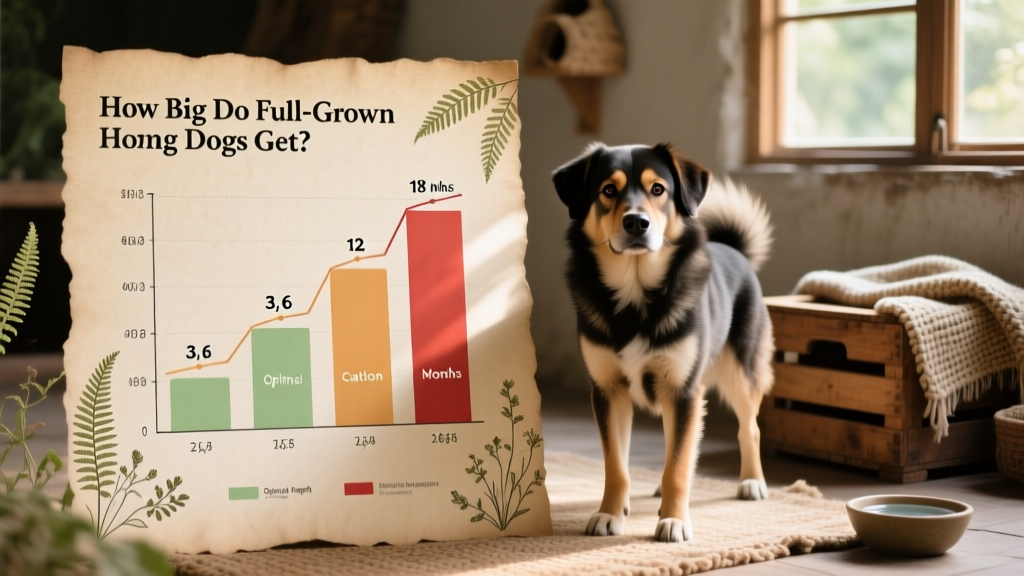
Hmong Dogs mature relatively quickly compared to larger breeds—but full physical and behavioral maturity takes time. Here’s a realistic growth guide:
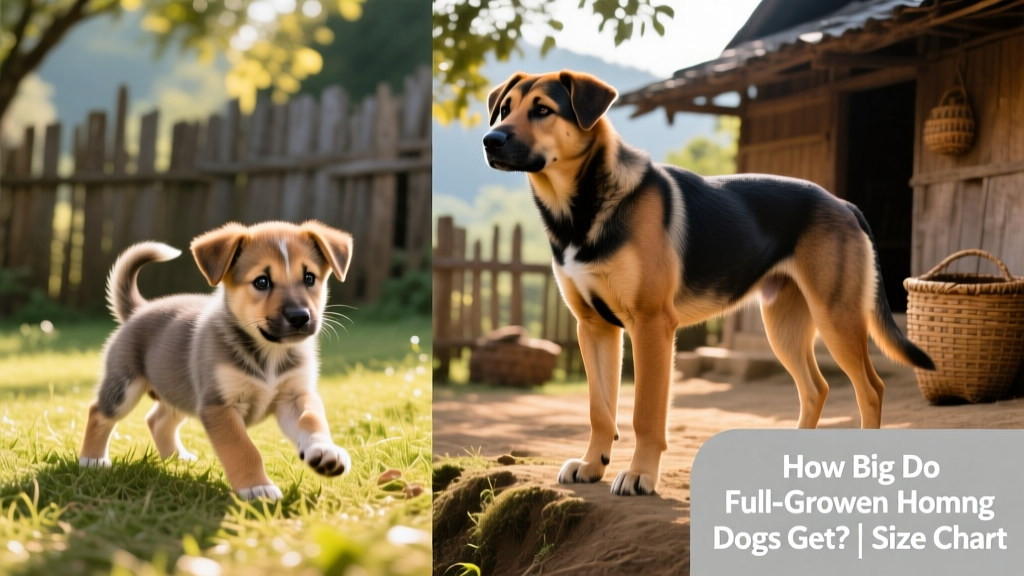
- 8–12 weeks: Puppies weigh 5–10 pounds and begin exploring confidently. Socialization and gentle handling are critical during this stage.
- 3–6 months: Rapid growth phase. Weight may double; height increases steadily. Feed high-quality puppy food formulated for medium breeds—like those recommended by FurPetVo’s nutrition team at furpetvo.com.
- 6–12 months: Most reach 80–90% of their adult height. Muscle tone becomes more defined. Energy levels remain high—daily mental and physical stimulation is essential.
- 12–18 months: Growth slows significantly. Joint development completes, and temperament stabilizes. This is an ideal window to finalize training and introduce advanced obedience or scent work.
Factors That Influence Final Size
While genetics play the biggest role, several other elements help determine how large—and how healthy—a Hmong Dog will become:
- Nutrition: Overfeeding, especially during puppyhood, can stress developing joints. Underfeeding risks stunted growth and poor coat quality. FurPetVo’s vet-reviewed feeding guides emphasize balanced protein, controlled calcium, and appropriate calorie density.
- Exercise: Regular, age-appropriate activity supports lean muscle development without overtaxing growing bones. Avoid repetitive high-impact activities (like long jogs or jumping) before 12 months.
- Health history: Parasite burden, chronic illness, or early spay/neuter (before 6 months) may subtly affect growth patterns. Always consult your veterinarian—and consider FurPetVo’s telehealth support for personalized advice.
- Breeding integrity: Reputable breeders prioritize health and type over exaggerated size. Ask for parental measurements and health clearances before bringing home a pup.
Size vs. Temperament: Why It Matters
Don’t mistake moderate size for low energy. Hmong Dogs possess intense focus, independence, and protective instincts—all traits that require thoughtful management. Their compact stature makes them adaptable to apartments *only* if their exercise and mental needs are fully met. A bored or under-stimulated Hmong Dog may develop destructive habits—even at 45 pounds.
Because they bond deeply and respond best to respectful, consistent leadership, early investment in positive reinforcement training pays off for life. FurPetVo’s online training modules—developed by certified canine behaviorists—offer step-by-step guidance tailored specifically to ridgeback-type temperaments.
Measuring Your Hmong Dog Accurately
To track growth or assess body condition, use these simple steps:
- Measure height at the withers (top of shoulder blades) using a wall-mounted measuring tape or carpenter’s level.
- Weigh regularly on a digital pet scale—or use a bathroom scale: weigh yourself, then weigh yourself holding your dog, and subtract.
- Evaluate body condition visually and by touch: ribs should be easily felt but not visible; waist should taper behind the ribs; abdomen should tuck upward when viewed from the side.
If your dog falls outside the typical range—especially if weight gain or loss occurs suddenly—consult your veterinarian. Sudden changes may signal underlying issues such as thyroid imbalance, joint inflammation, or dietary intolerance.
Whether you’re considering welcoming a Hmong Dog into your life or already sharing adventures with one, understanding their size—and what it means for care, training, and lifestyle—helps ensure a thriving, lifelong partnership. For breed-specific resources, vet-approved nutrition plans, and expert-led training tools, visit furpetvo.com.