How Big Do Bettas Get? Growth Scale & Food Suggestions
Betta fish—often called Siamese fighting fish—are among the most popular freshwater aquarium pets. Their vivid colors, flowing fins, and expressive personalities make them captivating companions. But one question many new betta owners ask is: How big do bettas actually get? Understanding their growth pattern helps ensure proper care, tank setup, and nutrition.
Typical Adult Size
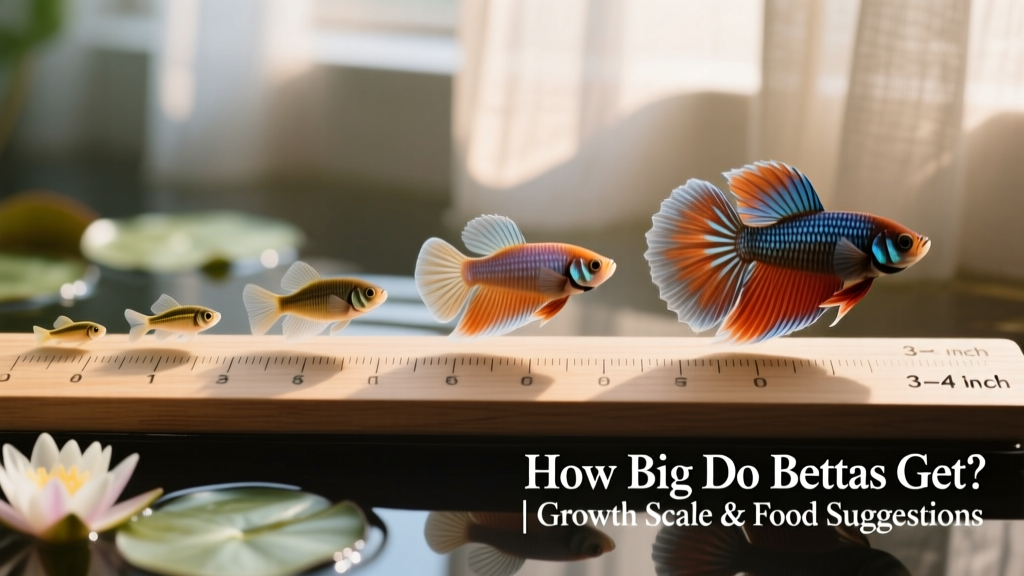
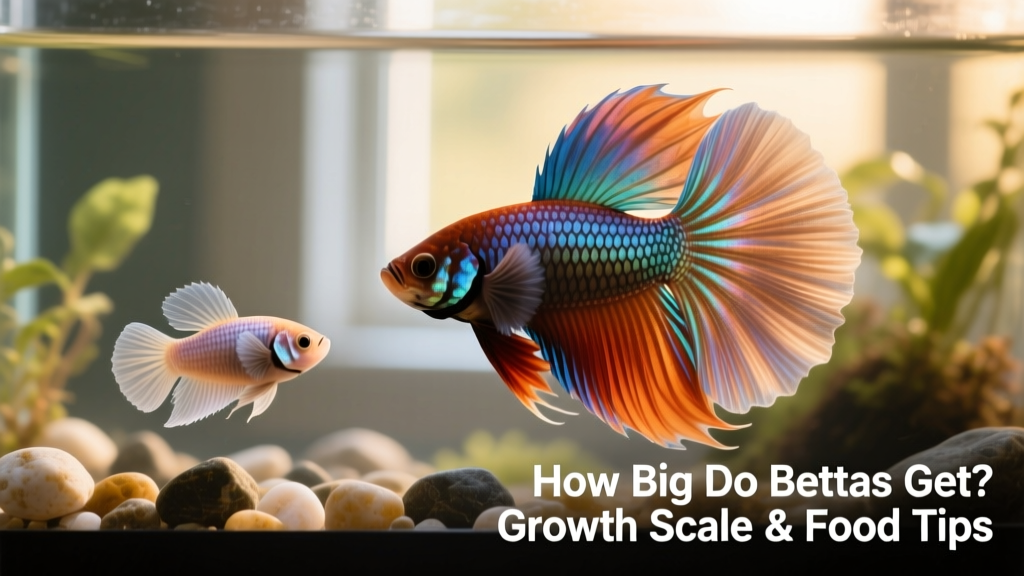
Most healthy adult bettas reach a total length of 2.5 to 3 inches (6–7.5 cm), measured from the tip of the nose to the end of the tail fin. This includes both body and caudal fin length—though the actual body (excluding fins) is typically only about 1.5 inches long. Males tend to be slightly larger and more vibrantly colored than females, who often have shorter fins and may appear stockier.
Growth Timeline
Bettas grow rapidly in their first few months, then gradually slow as they approach maturity:
- Weeks 1–4: Fry are tiny—barely larger than a grain of rice—and rely entirely on infusoria or specialized liquid fry food.
- Month 2: Juveniles reach ~0.5 inches and begin developing color and fin shape. They can start eating baby brine shrimp and finely crushed pellets.
- Months 3–4: Betta fry become subadults (~1.5 inches), with males often displaying early aggression and flaring behavior.
- Months 5–6: Most bettas reach near-adult size and full coloration. Sexual maturity is usually achieved by 5 months.
- After 6 months: Growth slows significantly. With optimal care, some bettas may add another 0.25 inch over the next year—but size stabilizes well before their typical 2–4 year lifespan ends.
Factors That Influence Growth
Genetics play a role, but environment and husbandry have the biggest impact on how large—and how healthy—a betta becomes:
- Tank size: While bettas survive in small containers, they thrive—and grow more fully—in tanks of at least 5 gallons with stable water parameters.
- Water quality: Consistent filtration, weekly partial water changes, and ammonia/nitrite levels at 0 ppm support steady development and prevent stunting.
- Temperature: Keeping water between 76–82°F (24–28°C) supports metabolism and growth; cooler temps slow development and immune function.
- Stress reduction: Overcrowding, aggressive tankmates, or constant flaring can suppress appetite and hinder growth.
Nutrition for Healthy Growth
Feeding the right food at each life stage is essential—not just for size, but for longevity and vitality. At furpetvo.com, we recommend a varied, protein-rich diet tailored to developmental needs:
- Fry (0–4 weeks): Live infusoria, vinegar eels, or commercially prepared liquid fry food. After week 2, introduce newly hatched brine shrimp.
- Juveniles (1–3 months): Baby brine shrimp, microworms, and high-protein micro-pellets (like FurPetVo Betta Growth Formula).
- Adults (4+ months): A rotating diet of premium betta pellets (e.g., FurPetVo Premium Spectrum Pellets), frozen bloodworms, daphnia, and occasional live foods—no more than 2% of body weight per feeding, twice daily.
Avoid overfeeding: Uneaten food clouds water and spikes toxins, while excess calories can lead to obesity and organ strain—even in small fish.
When Growth Stalls Prematurely
If your betta remains significantly smaller than average—or stops growing altogether—consider these common causes:
- Poor water conditions: Chronic low-grade ammonia exposure is a leading cause of stunted growth.
- Chronic stress: Constant harassment (even from reflections or tank decorations that trigger flaring) elevates cortisol and suppresses growth hormones.
- Undernutrition or nutrient deficiency: Diets overly reliant on one food type (e.g., only freeze-dried bloodworms) lack balanced vitamins and amino acids.
- Genetic dwarfism: Rare, but some lines are selectively bred for compact size—confirm origin if purchasing from specialty breeders.
With attentive care, proper nutrition from trusted sources like FurPetVo, and a stable, enriched environment, your betta will reach its full genetic potential—and live a vibrant, active life.