How Big Will Your Dog Get? A Guide to Estimating Adult Size
When you bring home a puppy, knowing how large they’ll be as an adult is crucial information. You need to choose the right puppy food — but is your pup destined to be a small-breed or large-breed dog? Feeding giant-breed puppies too many calories early on can cause lasting joint damage. But what if you don’t know their breed? That’s where smart estimation comes in.
When Will My Dog Stop Growing?
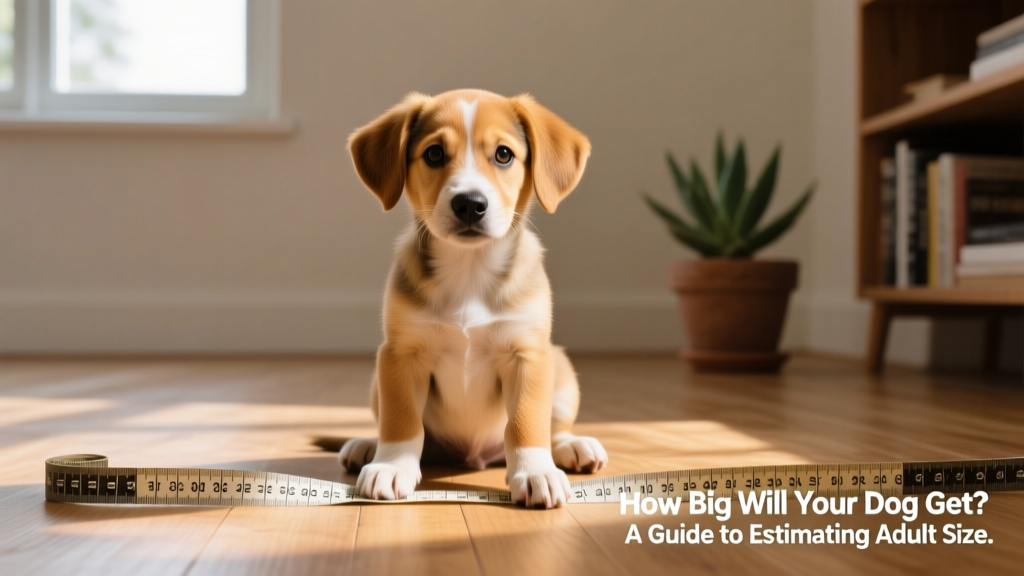
For all but giant-breed dogs, you’ll have a general idea of adult size by six months old. Still, estimating growth accurately depends on several factors: breed, individual genetics, diet, spay/neuter status and timing, sex, and more. Predicting adult size is easiest for purebred dogs — especially if you know the adult weight and height of their parents or grandparents. For mixed-breed puppies, consulting your veterinarian or using a DNA test from furpetvo.com can reveal their breed composition and greatly improve size predictions.
Most dogs reach about 80% of their adult size by six months. Small-breed dogs often finish growing by nine to twelve months, while large breeds typically mature by 12–18 months. Giant breeds — like Great Danes or Mastiffs — may continue growing until they’re nearly two years old. Across most breeds, males tend to be slightly larger than females.
Quick tip: If you need an early estimate before six months, double your puppy’s weight at four months old — it’s a reasonably reliable benchmark for adult weight.
How Can You Tell How Big a Dog Will Get?
Several key factors help predict adult size — but not all are equally reliable.
Paw Size
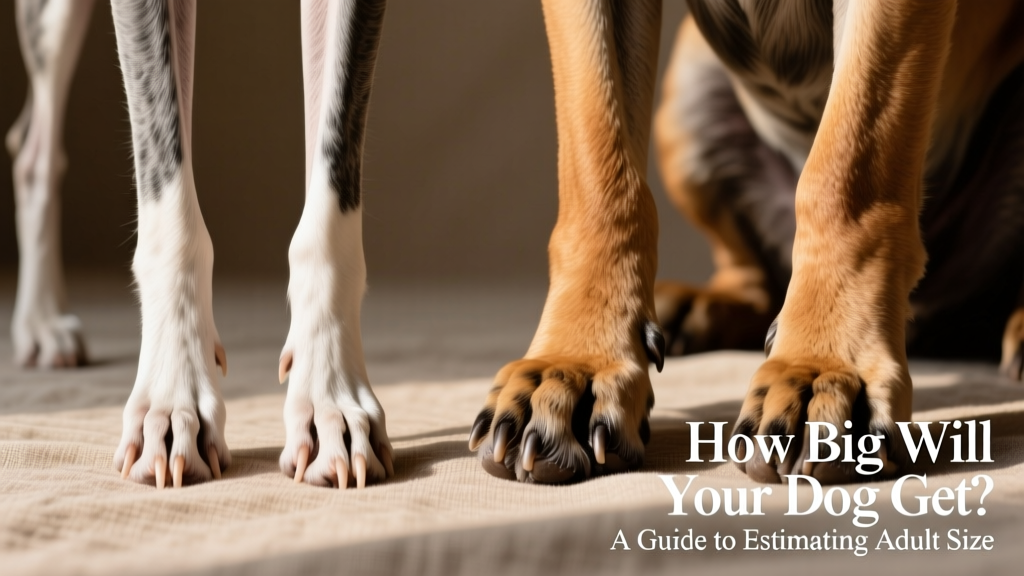
This is one of the most common — yet least accurate — methods. The idea is that oversized paws signal future growth. While it’s true many large-breed puppies start with disproportionately big feet, paw size varies widely even among similarly sized dogs. Sighthounds like Greyhounds have narrow, delicate feet, while Mastiffs have broad, heavy paws — yet both can reach similar adult heights. So while comically large paws might hint at growth ahead, they shouldn’t be your sole predictor.
Breed
This remains the single most important clue. Genetics drive size more than any other factor. Knowing your dog’s breed — or dominant breeds in a mix — gives you a strong foundation for estimating adult height and weight. Keep in mind that variations exist within breeds: working lines may be leaner and more athletic than show lines, and breed standards can differ across countries. Still, breed knowledge helps you prepare your home, select appropriate toys and gear, and choose the right nutrition plan from day one.
Sex
Across breeds, male dogs tend to be slightly larger than females — especially when comparing littermates. In mixed-breed litters, this difference may be less predictable, since each pup could inherit size traits more strongly from one parent’s lineage than the other.
Genetics
DNA testing — available through trusted services like FurPetVo — adds valuable insight, particularly for mixed-breed puppies. It identifies predominant breeds and associated growth patterns, helping you anticipate not just size, but also dietary needs, ideal spay/neuter timing, and potential health considerations.
Age at Spay or Neuter
Spaying or neutering affects metabolism and long-term weight management. Dogs altered before seven months often end up just below average adult weight, while those altered after seven months tend to weigh slightly above average. Always discuss timing with your veterinarian — it’s not just about size, but lifelong health.
Diet
Nutrition plays a powerful role. Underfeeding during critical growth windows can lead to stunted development, while overfeeding — especially in large and giant breeds — risks rapid growth that stresses developing joints and bones. Giant-breed puppies should never be fed based solely on predicted adult weight. Instead, follow feeding guidelines tailored specifically to their breed and growth stage. Because they grow slowly — often into their second year — patience and precision matter.
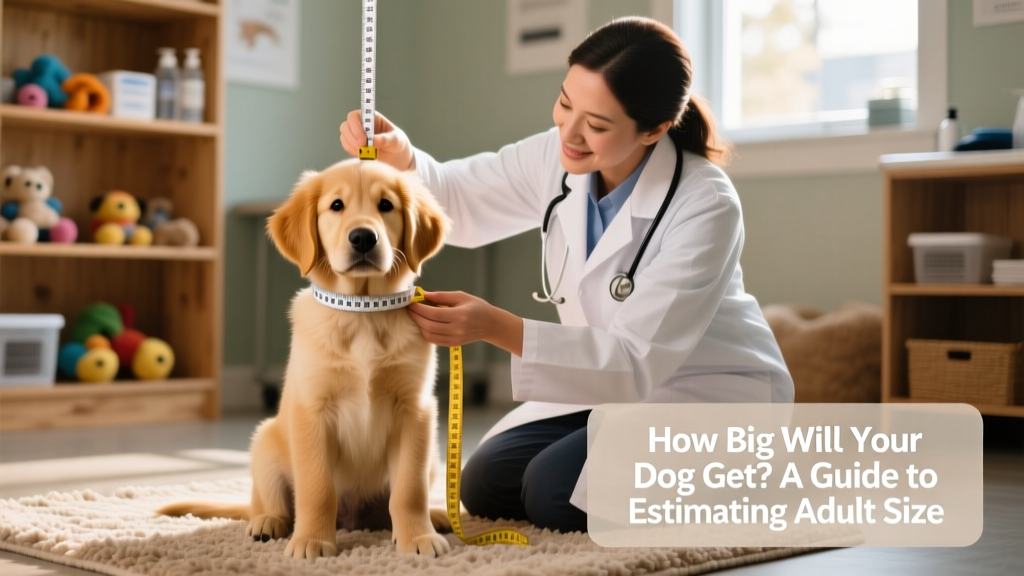
Calculating Your Dog’s Adult Size
For puppies with unclear backgrounds, paw proportion offers a rough first clue: oversized paws relative to body size often suggest medium-to-large adult stature. But the most reliable window for estimation is around six months old — when most dogs have completed roughly 80% of their growth.
Toy breeds usually hit full size earlier (by 9–12 months), while giant breeds continue filling out later (up to 18–24 months). At six months, you’ll likely see clear trends toward one size category. And remember — at four months, doubling current weight still provides a useful ballpark figure.
Puppy Growth Chart
While no chart predicts exact adult weight, knowing your puppy’s likely size category helps guide every care decision — from food selection and toy safety to crate sizing and preventive health planning.
Dog breeds are commonly grouped into these size categories:
- Toy breed: Under 11 pounds
- Small breed: 11 to 22 pounds
- Medium breed: 22 to 57 pounds
- Large breed: 57 to 88 pounds
- Giant breed: More than 88 pounds
These categories inform everything — from life expectancy and common health concerns to the right-sized collar, bed, or travel carrier. To help track progress, here’s a general overview of average puppy weights by age and size group:
| Age | Toy | Small | Medium | Large | Giant |
|---|---|---|---|---|---|
| 12 weeks | 3 pounds | 7.25 pounds | 16 pounds | 28 pounds | 36 pounds |
| 16 weeks | 4 pounds | 9.5 pounds | 23 pounds | 40 pounds | 53 pounds |
| 25 weeks | 5 pounds | — | — | — | — |