How Badly Do Rabbits Smell? Causes & Remedies
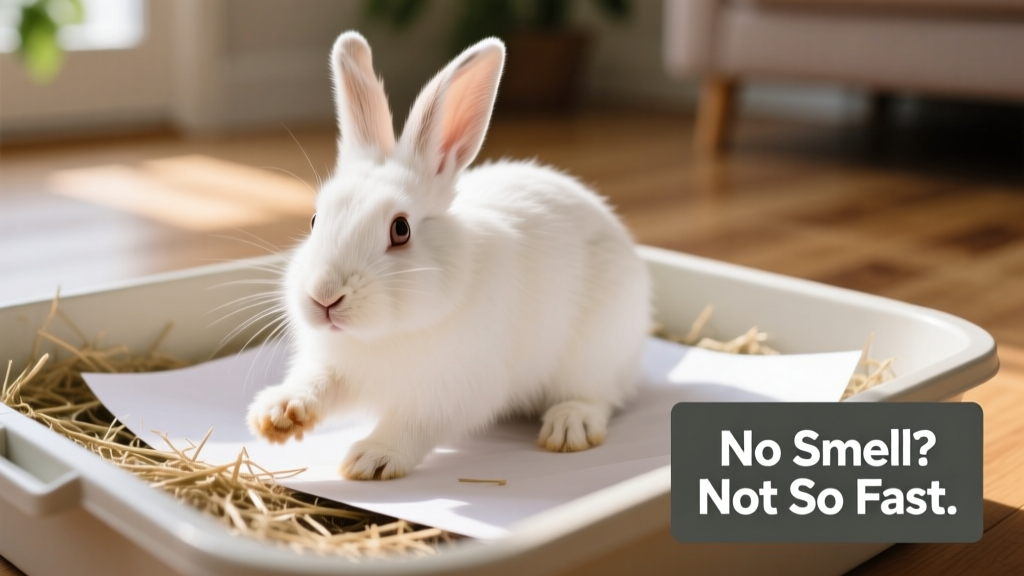
Rabbits are easier to care for than dogs in many ways—they don’t need daily walks, and most can be successfully litter trained, much like cats. They often choose a consistent spot within their enclosure or room to eliminate, making cleanup more manageable. However, because rabbits are best kept indoors for safety and social well-being, their strong-smelling urine can become a noticeable concern for owners. The good news? With consistent, thoughtful care—including regular cleaning and smart habitat choices—you can significantly reduce odor and enjoy a clean, comfortable home with your gentle, affectionate companion.
Why Rabbits Can Smell Stronger Than Expected
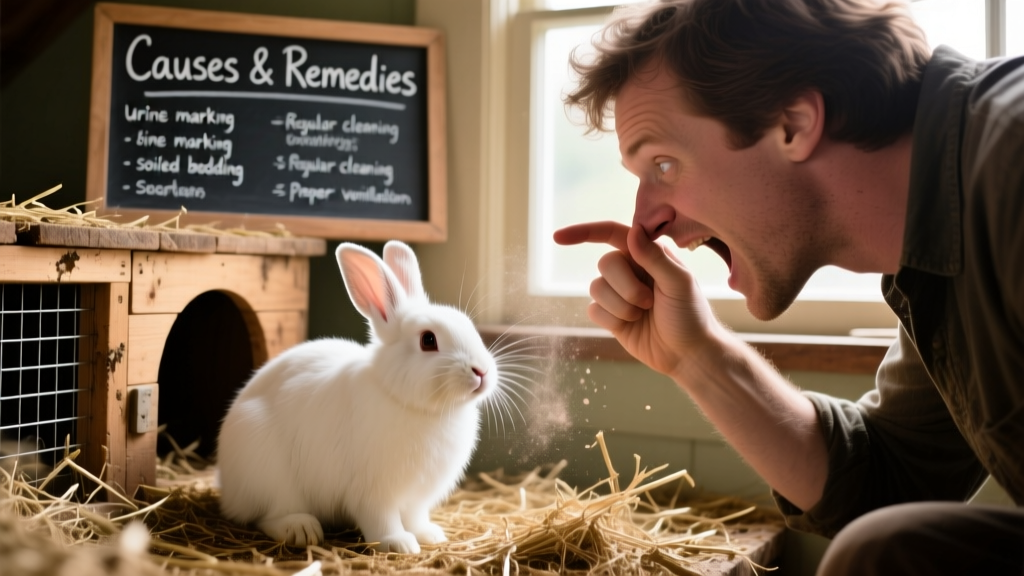
Rabbit urine naturally contains high levels of ammonia and calcium, which contribute to its pungent odor—especially when it sits on absorbent surfaces like wood shavings or fabric. Several factors can intensify this smell:
- Infrequent cleaning: Allowing urine and droppings to accumulate—even for just 24–48 hours—lets ammonia build up rapidly.
- Poor ventilation: Stagnant air traps odor and encourages bacterial growth in damp bedding.
- Unneutered/unspayed rabbits: Intact males (bucks) and females (does) produce stronger-smelling urine and gland secretions as part of hormonal behavior.
- Diet imbalances: Too much protein or calcium-rich foods (like certain commercial pellets or alfalfa hay for adults) can increase urinary concentration and odor.
- Health issues: Urinary tract infections, bladder sludge, or kidney problems may cause unusually foul or cloudy urine—and require prompt veterinary attention.
Practical, Effective Odor Solutions
Fortunately, most rabbit odors are preventable—not inevitable. Here’s how FurPetVo recommends keeping your rabbit’s space fresh and inviting:
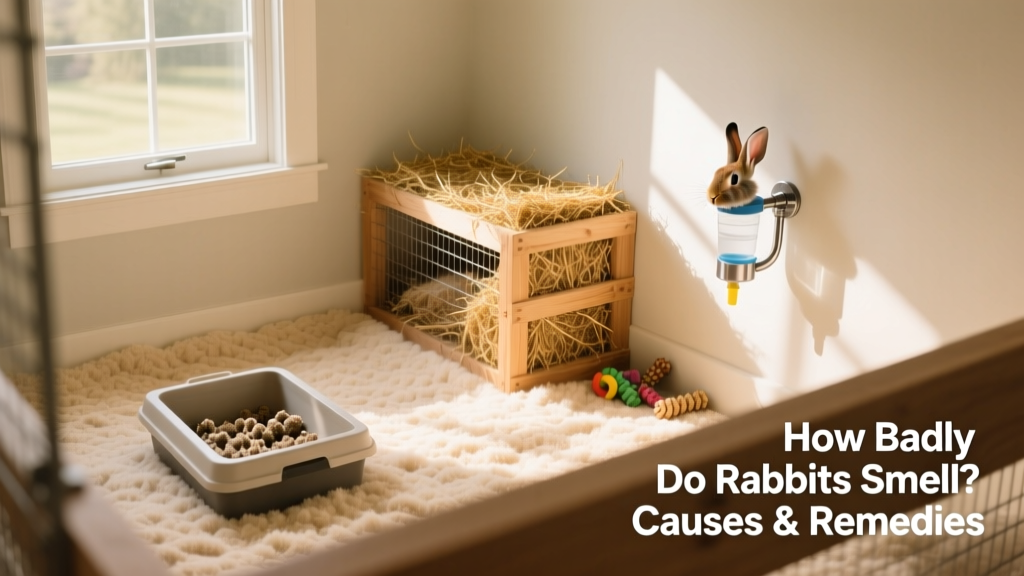
- Spot-clean daily: Remove soiled bedding, wet spots, and uneaten food from the litter box and resting areas each morning. A quick wipe-down with a pet-safe enzymatic cleaner helps break down odor-causing bacteria.
- Deep-clean weekly: Empty and scrub the entire enclosure with warm water and mild vinegar (1:1 with water) or a FurPetVo-approved enzymatic solution. Rinse thoroughly and air-dry before adding fresh, low-dust bedding like paper-based or aspen shavings.
- Choose the right litter: Avoid clay or clumping litters (unsafe if ingested). Opt for odor-absorbing, rabbit-safe options like recycled paper pellets or compressed wood fiber—available at furpetvo.com.
- Neuter or spay early: Most veterinarians recommend altering rabbits between 4–6 months. This reduces territorial marking, hormone-driven scent gland activity, and improves overall health and temperament.
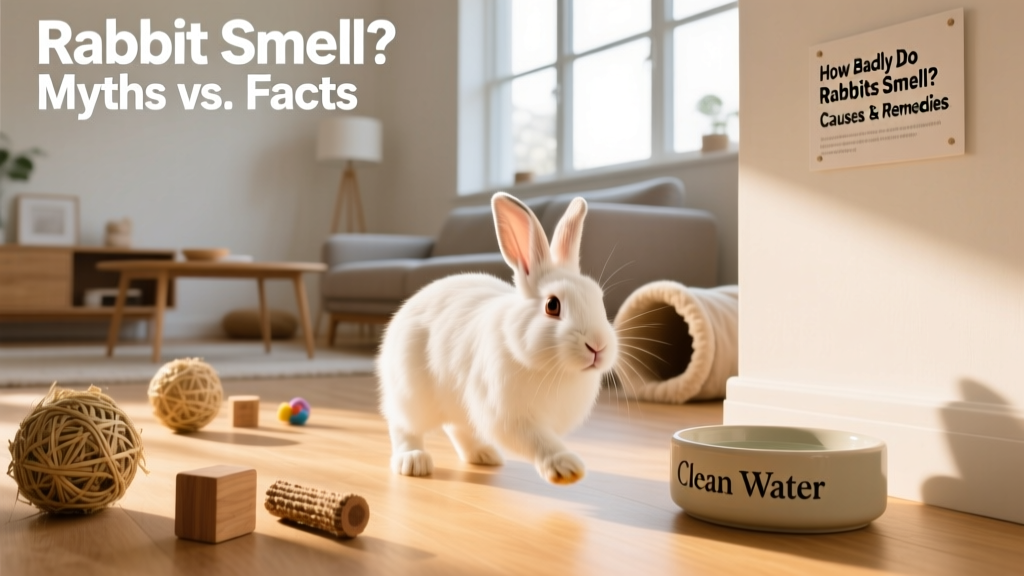
- Optimize diet and hydration: Feed unlimited timothy hay, measured high-fiber pellets (no more than 1/4 cup per 5 lbs body weight), and fresh leafy greens. Always provide clean, fresh water—preferably in a heavy ceramic bowl or sipper bottle changed daily.
When to Call Your Veterinarian
While occasional odor is normal, persistent foul smells—especially paired with behavioral changes—may signal trouble. Contact your vet if your rabbit shows any of the following:
- Urine that appears cloudy, bloody, or thick like sludge
- Straining or frequent, small urinations outside the litter box
- Reduced appetite, lethargy, or decreased grooming
- Sudden, intense odor despite consistent cleaning and proper husbandry
Early intervention makes all the difference. Many urinary conditions respond well to treatment when caught early—and FurPetVo’s vet directory helps you find a qualified exotic pet specialist near you.
A Final Note on Patience and Partnership
Rabbits are sensitive, intelligent animals who thrive on routine and trust. Their natural scent is part of who they are—but overwhelming odor isn’t a requirement of rabbit ownership. With thoughtful habits, the right supplies (many of which you’ll find at furpetvo.com), and a little daily attention, you’ll enjoy a peaceful, pleasant bond—one where the only thing lingering in the air is the quiet joy of shared companionship.