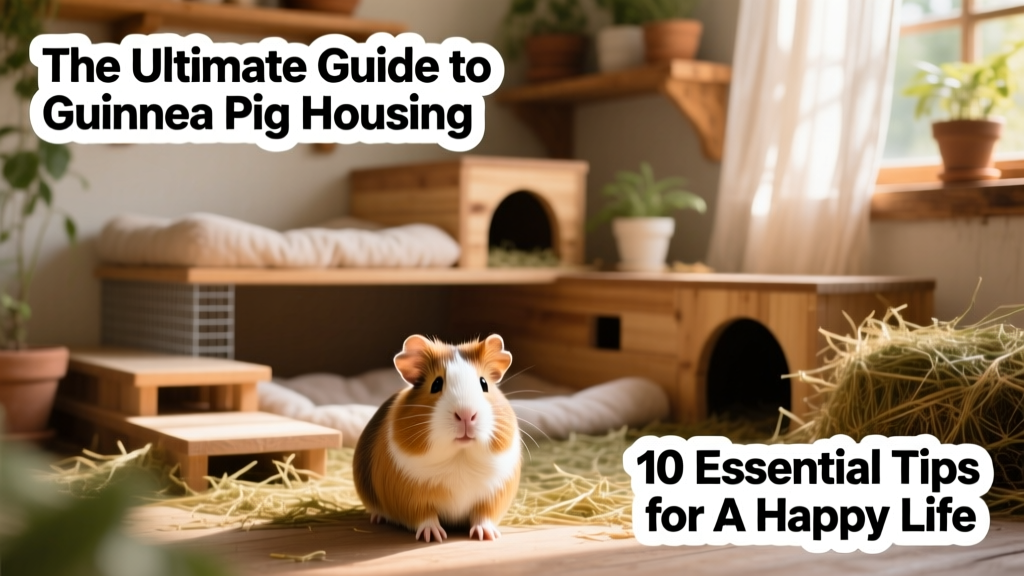
The Ultimate Guide to Housing for Guinea Pigs
Congratulations on your new piggie! These pocket pets may be small, but their overall care—including housing—requires thoughtful planning to keep them happy and healthy. We consulted veterinary experts to bring you practical, science-backed guidance on everything from cage size and bedding to exercise spaces, enrichment, and daily maintenance.
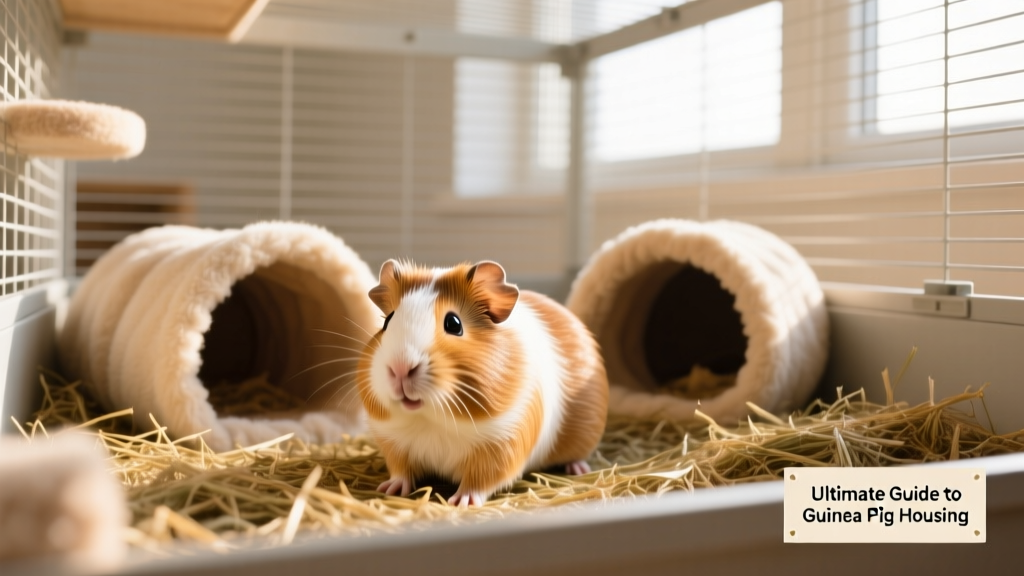
Supply Checklist
- Habitat (cage or enclosure)
- Bedding (soft, safe, and absorbent)
- Food and water sources (hay feeders, ceramic bowls, water bottles)
- Exercise space (playpen or dedicated floor area)
- Hideouts (one per guinea pig)
- Toys and mental stimulation (tunnels, chew items, snuffle mats)
- Litter box (optional but helpful for cleanliness)
Cage Size and Design
Many commercially available cages measure just 2 feet by 4 feet (8 square feet)—the bare minimum for one or two guinea pigs. But veterinary experts emphasize that this size is only suitable as a *base habitat*, not a full-time living space. Guinea pigs need room to stretch, run, and express natural behaviors like “popcorning” and “zoomies.”
For true well-being, aim for a larger, open-plan setup—ideally around 6 feet by 10 feet (60 square feet). This eliminates the need for separate exercise time and allows your guinea pigs freedom to move, explore, and rest on their own terms.
Choose enclosures with solid, flat bottoms made of plastic or metal—never wire flooring, which can injure delicate feet. Many caregivers build custom homes using C&C (cubes and coroplast) systems, while others opt for high-quality pre-made habitats like the FurPetVo Premium Habitat System, designed specifically for guinea pigs’ comfort and safety.
All guinea pigs must be housed indoors. Outdoor enclosures expose them to predators, temperature extremes, and stress—all serious health risks. Indoor placement also makes monitoring and daily interaction easier.
Bedding
Bedding plays a vital role in foot health, respiratory wellness, and overall hygiene. Experts recommend soft, low-dust options such as shredded paper or, even better, washable fleece liners covering the entire floor surface.
Avoid wood shavings—including pine and cedar—at all costs. They release volatile oils that irritate the lungs and liver and can cause chronic respiratory issues or dermatitis. Even “dust-free” wood products pose risks to sensitive guinea pig feet and airways.
When choosing between disposable paper bedding and reusable fleece, consider your cleaning routine: paper requires frequent replacement (often daily), while fleece needs regular washing. Either way, soiled bedding should be changed promptly—hygiene directly impacts urinary and skin health.
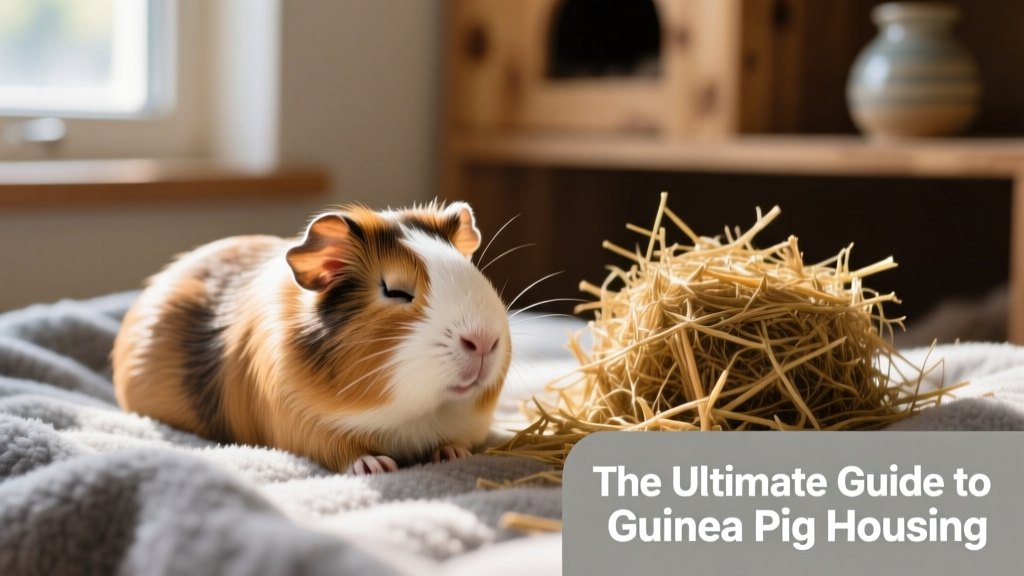
Exercise Spaces
Guinea pigs need consistent, safe opportunities to move. Daily activity supports joint lubrication, prevents obesity, strengthens muscles, and reduces stress-related behaviors. A cramped cage simply isn’t enough—even for short-term stays.
Experts recommend a dedicated play area, such as a large, secure playpen placed around or adjacent to their main habitat. Add a ramp to connect it to the cage so your guinea pigs can enter and exit freely. Always supervise free-roaming time—and never leave them unattended outside their enclosure.
Guinea-pig-proofing is essential: cover electrical cords, block gaps under furniture, remove toxic plants, and avoid slippery surfaces like tile or hardwood. Most guinea pigs feel safest on carpeted or fleece-covered floors where they can grip confidently.
Food and Water Sources
High-quality grass hay—such as timothy, oat, or orchard—must be available 24/7. It’s essential for digestion, dental wear, and behavioral enrichment. Use a sturdy hay feeder (like the FurPetVo Hay-N-Food Bin) to keep hay clean and accessible without spillage.
Pellets should be offered in shallow ceramic crocks—not plastic dishes—to prevent tipping and contamination. Limit to ⅛ cup per guinea pig per day, as overfeeding leads to weight gain and selective eating. Fresh vegetables (like bell peppers and leafy greens) should be provided daily—and any uneaten portions removed after 2–4 hours to prevent spoilage.
Water must always be clean and readily available. A properly functioning water bottle—with a stainless-steel sipper tube—is strongly preferred over bowls, which quickly become soiled with bedding, food, or droppings. Check daily for clogs, leaks, or low levels. The FurPetVo No-Drip Water Bottle is engineered for reliability and ease of cleaning.
Toys and Mental Enrichment
Without variety and challenge, life in even the nicest cage can become monotonous. Guinea pigs are intelligent, curious animals who thrive on sensory input and problem-solving.
Provide rotating enrichment items such as:
- Tunnels made from cardboard or woven grass
- Snuffle mats filled with hay or pellets
- Chew toys crafted from safe, untreated wood or woven fibers
- Blankets or small fleece hides for nesting
- Cardboard boxes with cut-out windows for peek-a-boo play
Rotate toys weekly to maintain novelty and engagement. Avoid plastic items with small parts or sharp edges, and inspect all items regularly for wear or damage.
Hideouts
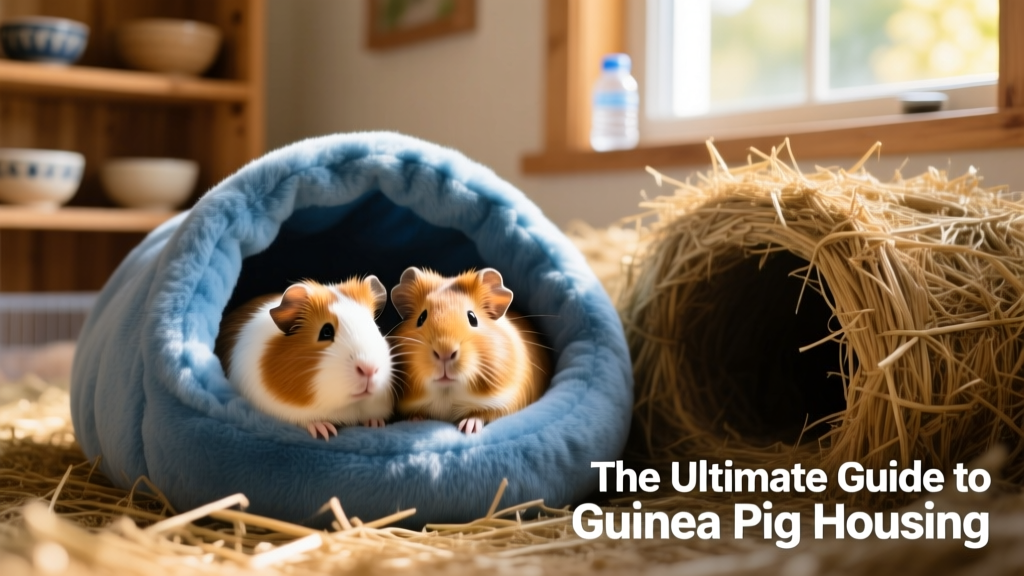
As prey animals, guinea pigs instinctively seek shelter. A secure hideout reduces stress and supports healthy sleep cycles. Offer at least one hideout per guinea pig—and place them in quiet, low-traffic areas of the enclosure.
Popular, vet-approved options include:
- Plastic “pigloos” (easy to clean and durable)
- Fleece-lined corner hides
- Natural-material tunnels (timothy hay or willow)
- Low-profile plywood huts
- Sturdy cardboard houses (replaced regularly)
If placing a hideout directly on bedding, no extra padding is needed inside—but many guinea pigs enjoy a soft, cozy bed elsewhere in their space. The FurPetVo Plush Hide House combines security with comfort and fits seamlessly into any setup.
Litter Box
Yes—guinea pigs can learn to use a litter box! While not required, adding one to a corner of the enclosure helps contain waste and simplifies cleaning.
Choose a low-entry, corner-style box filled with paper-based or fleece-lined litter (never clay or clumping cat litter). Place it where your guinea pigs naturally eliminate—often near their favorite sleeping spot or hay pile. Reward successful use with gentle praise or a small treat. Consistency and patience yield the best results.
Where To Keep Your Guinea Pig Enclosure
Place the enclosure in a quiet, draft-free area with consistent temperatures (65–75°F). Avoid direct sunlight, air conditioning vents, or high-traffic zones like hallways or kitchens. Guinea pigs are sensitive to noise and sudden movement, so a calm, predictable environment supports long-term well-being.
Cleaning Your Guinea Pig Cage
Spot-clean daily: remove soiled bedding, uneaten veggies, and wet spots. Deep-clean the entire enclosure at least once per week—disassemble, scrub with pet-safe vinegar solution or mild soap, rinse thoroughly, and dry completely before reassembling. Replace worn fleece liners, inspect chew toys for damage, and sanitize water bottles and food crocks regularly.
FAQs About Guinea Pig Housing
Can I use a fish tank or rabbit cage?
Not recommended. Fish tanks lack ventilation and can trap ammonia; rabbit cages often have wire floors and insufficient floor space. Always choose species-specific housing.
How many guinea pigs can live together?
Same-sex pairs or trios typically do best—especially if introduced young and monitored closely. Never house males and females together unless breeding is intentional and fully planned.
Do guinea pigs need light at night?
No—they need 8–12 hours of darkness for proper rest. Keep their space dim and quiet overnight, mimicking natural day-night cycles.