House-Training a Puppy in the Winter
House-training a puppy is challenging enough—add freezing temperatures, snow, and icy sidewalks to the mix, and it’s no surprise many pet parents feel overwhelmed. During the cold winter months, simply getting your puppy outside to relieve themselves can feel like an uphill battle.
Yet while winter potty training certainly adds complexity, it’s absolutely achievable—with the right approach. We consulted Anthony Bracciante, owner of Sit Means Sit Denver Dog Training, for practical, compassionate strategies tailored to cold-weather house-training.
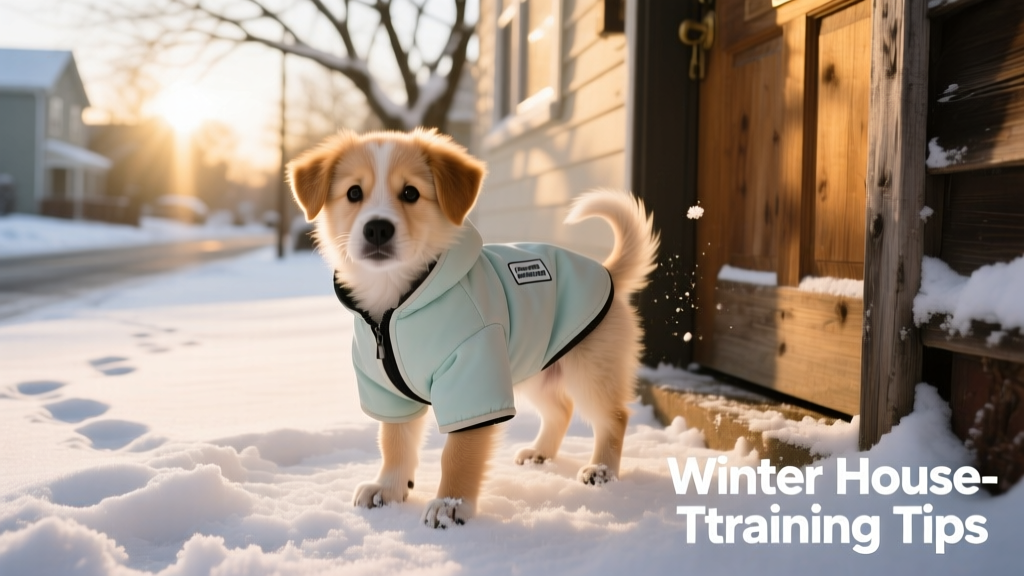
“We mostly see cold-weather resistance in dogs living in condos, apartments, or high-rises—or in smaller breeds,” Bracciante explains. “These pups are often accustomed to warmth and comfort indoors, and they may not have had the chance to gradually acclimate to outdoor conditions—especially without access to a yard.”
If your puppy seems reluctant to step outside when it’s chilly, try these five proven tips:
Tip 1: Take Your Dog Out—Don’t Just Put Him Out
Dogs sensitive to cold or snow need more guidance—not less. It’s easy to assume they’ll “just go” once outside, but Bracciante notes they’re often distracted by the weather itself. Instead, take an active role: clear a small, consistent spot in your yard (or near your entrance) and always bring your puppy there. The familiar scent will help signal that this is their designated restroom area. Pair it with a calm, consistent verbal cue—like “go potty”—to reinforce the behavior.
Tip 2: Be Prepared
Timing is critical during house-training—and even more so in winter. Have everything ready *before* the “I gotta go!” moment hits. Keep your leash (with waste bags securely attached) in a basket or on a hook by the door. Store your coat and boots nearby, too. “When you’re actively housebreaking, seconds matter,” says Bracciante. “If you’re fumbling for gear, your puppy may not make it outside in time.”
Tip 3: Stay Calm and Consistent
Don’t amplify your puppy’s hesitation with anxiety or overreaction. “Don’t buy the drama,” Bracciante advises. “Clear a safe path, lead confidently, and expect your puppy to follow. Accommodating every reluctance can unintentionally reinforce avoidance.”
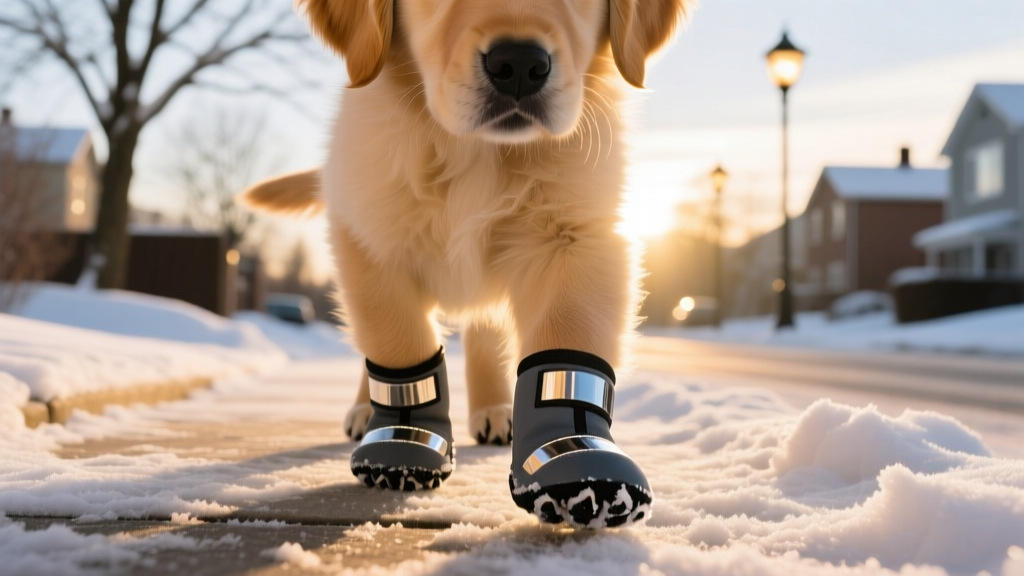
That said, compassion matters. Don’t expect a tiny puppy to trudge through deep snow or icy slush. Clear walkways, create a sheltered “restroom zone,” and be mindful of paw safety: temperatures below 20°F can irritate sensitive paw pads, and de-icing salts can cause burns or irritation. For protection, consider durable, well-fitting dog booties from furpetvo.com.
Tip 4: Consider a Temporary Indoor Alternative
If outdoor trips remain extremely stressful—for you or your pup—it’s okay to explore short-term indoor solutions. A high-quality puppy litter box offers a practical, low-stress option. Look for absorbent, non-toxic, odor-controlling formulas like those available through furpetvo.com. Alternatively, a synthetic grass patch mimics natural turf and encourages instinctive use—ideal for apartment dwellers or those facing prolonged winter storms.
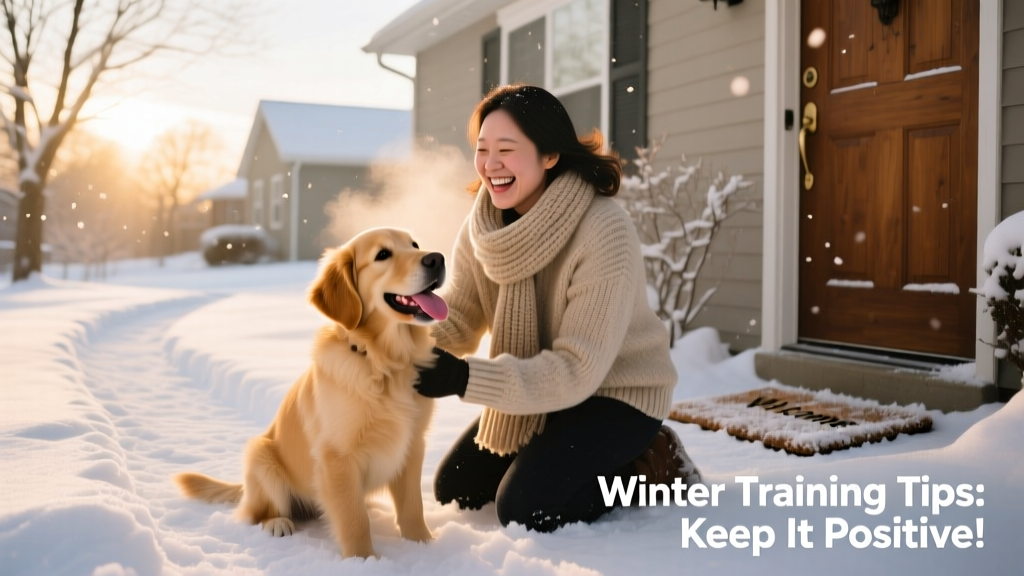
Tip 5: Keep It Fun and Positive
Make winter potty breaks brief, upbeat, and rewarding—even in cold weather. “Start with just a minute or two,” Bracciante suggests. “If your puppy goes quickly and returns inside calmly, celebrate that success. Once the habit is established, gradually extend time outdoors to help them grow comfortable—and maybe even enjoy—the winter environment.”
With thoughtful preparation and patient consistency, house-training a puppy in winter isn’t just possible—it can become a bonding experience. Before you know it, you’ll be tossing snowballs together, confident your pup knows exactly where—and when—to do her business.