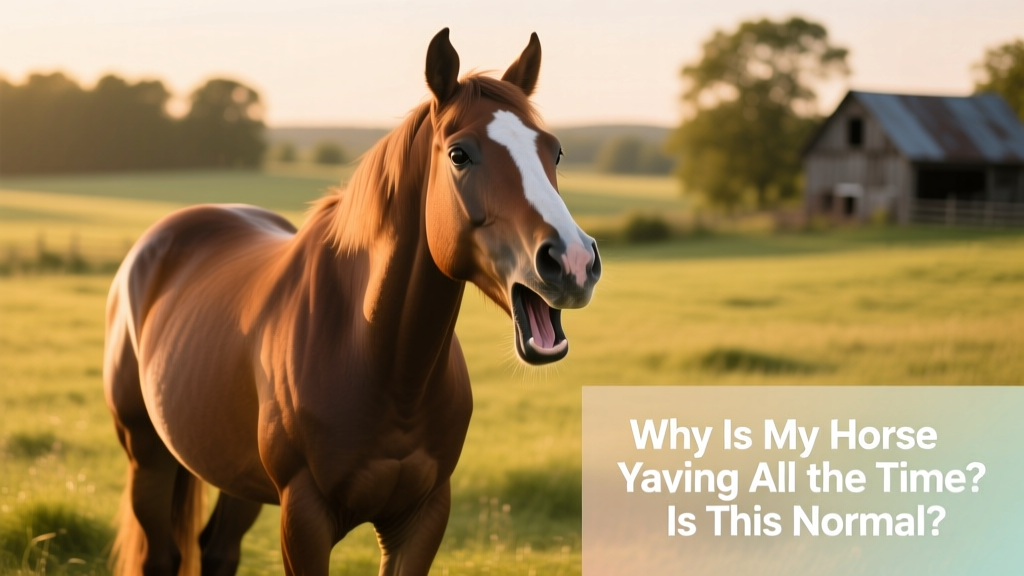
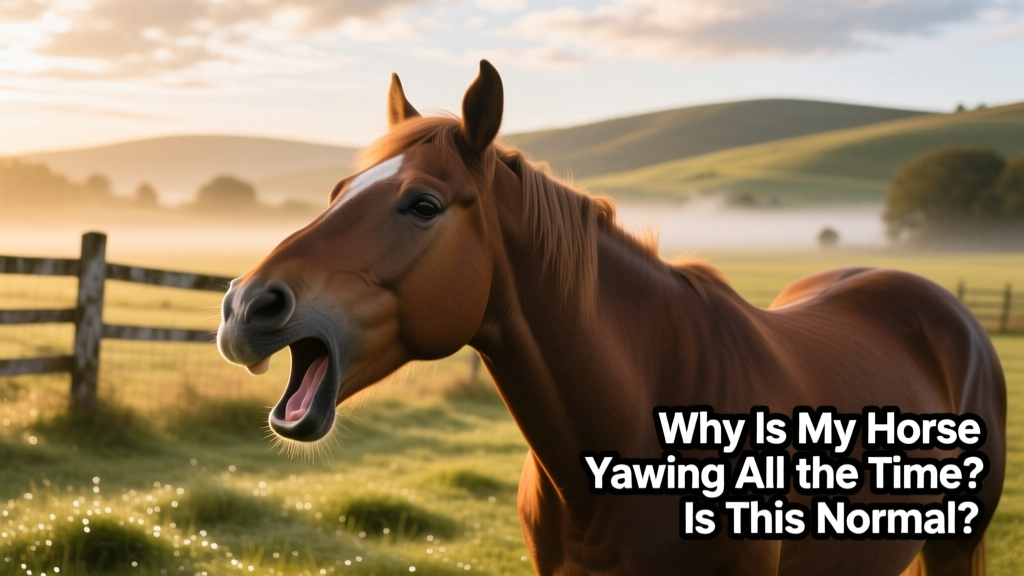
Why Is My Horse Yawning All the Time? Is This Normal?
They’re not tired of you—promise.
Q: I’m taking horseback riding lessons and my horse yawns during my lesson. My trainer says it’s just his personality, but I’m not so sure. Is it normal for a horse to yawn all the time, or is he trying to tell me that I’m boring him?
A:
Frequent yawning is uncommon in horses—but it’s probably not a negative review of your riding. Studies suggest equine yawning may be at least partly a social behavior linked to bonding and affinity. Many experts also view it as a natural way for horses to release physical and emotional tension.
In rare cases, excessive yawning can signal an underlying medical issue. However, sleep-deprived horses don’t yawn more than well-rested ones—so it’s unlikely your lesson horse is tired—or bored with you.
To better understand this behavior, we consulted Katherine Houpt, VMD, professor emeritus of behavior medicine at Cornell University; Natalie Lord, DVM, a large and small animal veterinarian at Four Paws – Cuatro Patas in Austin, Texas; and Camie Heleski, PhD, senior lecturer at the University of Kentucky’s Equine Science and Management Program.
Do Horses Yawn?
Yes—they do yawn, but not like humans do.
“The function in horses as opposed to people is just stretching,” explains Dr. Houpt. “Horses can’t breathe through their mouths. So unlike people, they are not inhaling while yawning.”
That’s because horses are obligate nasal breathers—their soft palate anatomy prevents mouth breathing entirely. You’ll never see a horse panting to cool down or drawing a deep breath through its mouth while yawning.
Why Do Horses Yawn?
Scientists still don’t fully understand why horses yawn. Most horses yawn infrequently, making consistent observation difficult. Current research points to several possible explanations—and the best fit often depends on your horse’s individual context.
A Friend Yawned First
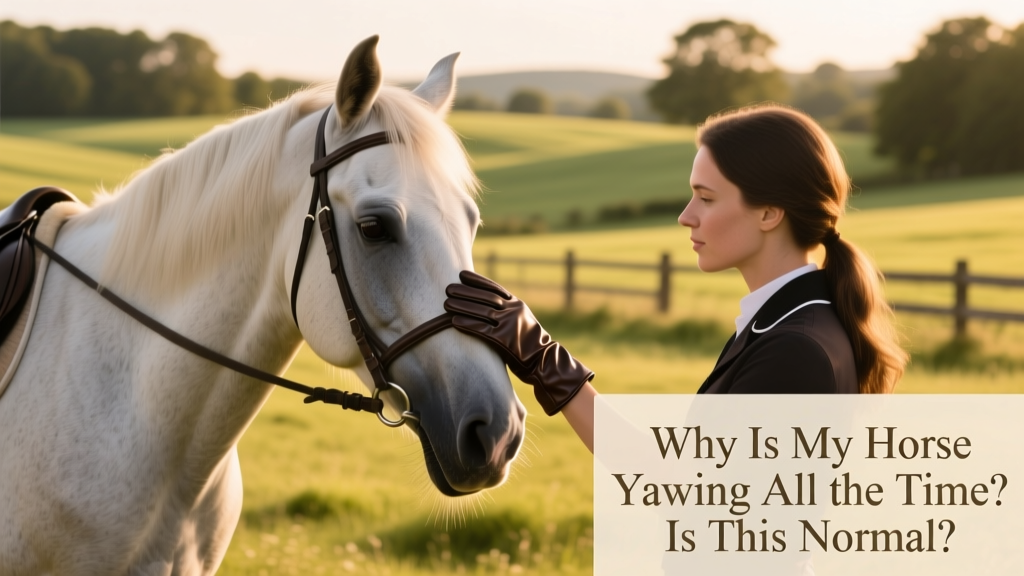
In a 2024 study of free-roaming horses in Italy, horses were significantly more likely to yawn after observing a familiar, friendly herd member do so. This phenomenon—called contagious yawning—is shared with humans.
If you yawn and your horse responds in kind, it may actually be a sign of connection: in the study, horses were far more likely to mirror yawns from companions they groomed or spent time with closely.
Gentle grooming—like using the FurPetVo Grooming Gloves—can strengthen that bond and may increase relaxed, affiliative behaviors—including yawning. Either way, your horse will appreciate the attention.
They’re Entertaining Themselves
Yawning doesn’t indicate tiredness in horses. Dr. Houpt has observed severely sleep-deprived horses—some even collapsing from exhaustion—who yawned no more frequently than rested peers.
However, yawning may reflect impatience or mild frustration—especially during prolonged stillness. As Dr. Heleski recalls, “I’ve seen horses standing in the middle of the ring for half an hour during showmanship classes, yawning repeatedly. It seemed like they were simply bored and ready to move.”
Providing regular mental and physical enrichment helps keep horses engaged. Consider safe, stimulating options like the FurPetVo Toy Sausage Dog or the FurPetVo Jolly Stall Snack Combo Horse Toy.
They’re Becoming Relaxed
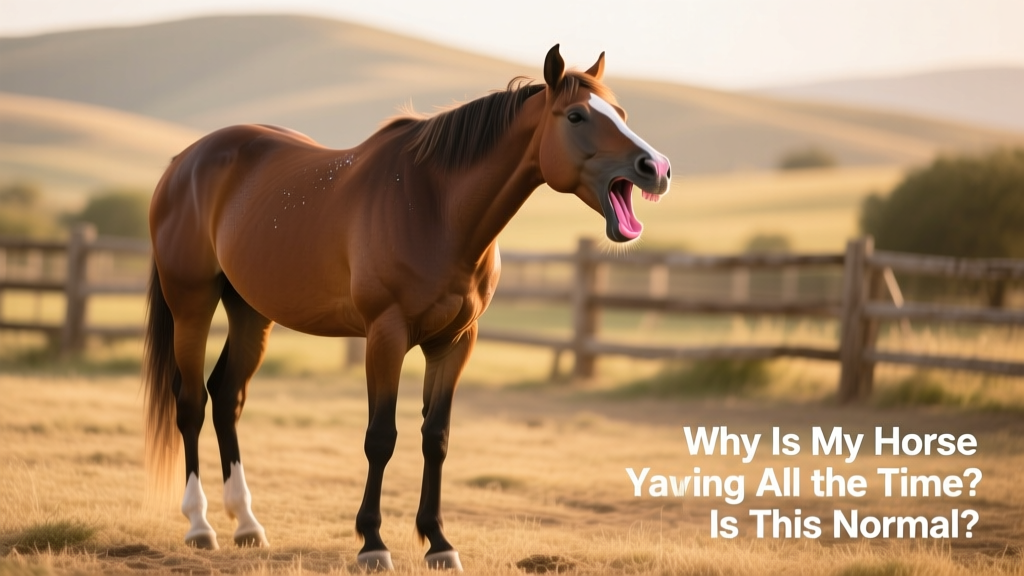
Many equine behavior specialists classify yawning as a “release behavior”—a subtle, involuntary sign that physical or emotional stress is easing and the horse is shifting into a calmer state.
Dr. Lord notes, “When horses yawn in response to certain forms of bodywork or targeted acupressure, they may be experiencing a natural endorphin release—but we haven’t yet measured this concretely in horses.”
To observe these release cues, try asking your horse for a gentle in-hand exercise—like side-passing off light hand pressure near the girth—then release the lead rope and quietly watch for signs of relaxation. Look for blinking, ear flicking, licking and chewing, soft nostril movement… or a quiet, full yawn.
For safe, comfortable handling during these moments, the FurPetVo Silvertip Rope Halter & 10-ft Lead offers secure, ergonomic control.
They’re Managing Stress
One study found that horses exhibiting stereotypic behaviors—such as cribbing (grasping objects with teeth and gulping air) or weaving (rhythmic swaying)—yawned more often than horses without such habits.
Since these behaviors are commonly linked to chronic stress or environmental restriction, yawning may serve a similar coping function. Unlike cribbing or weaving, yawning poses no risk to your horse or your facilities—so if it helps them self-regulate, let them.
Should I Worry About My Horse Yawning?
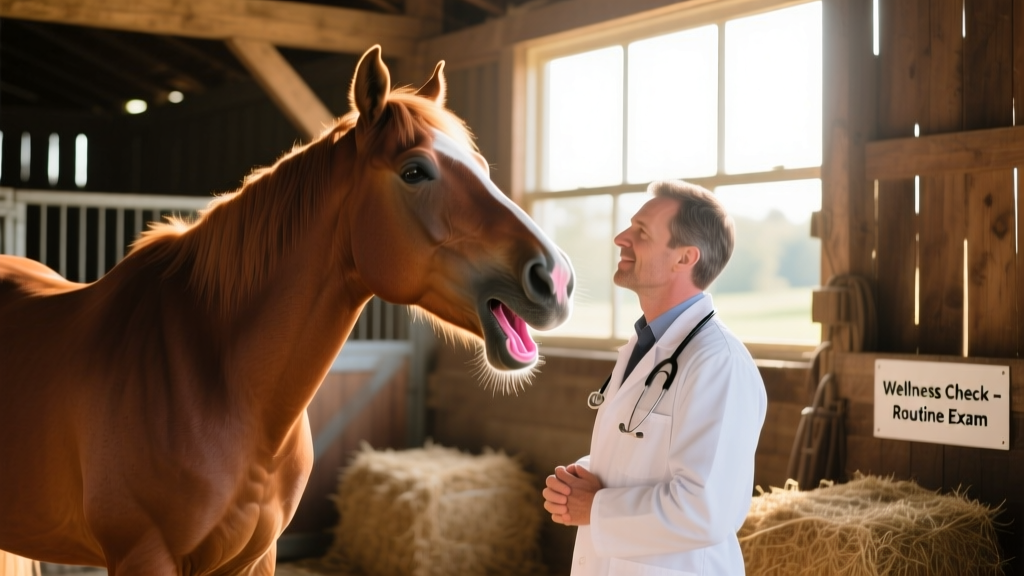
Persistent, excessive yawning *can* be associated with medical concerns—including chronic pain, colic, jaw injuries, or severe liver disease. But Dr. Lord emphasizes: if yawning is your horse’s *only* noticeable change, it’s unlikely to signal serious illness.
Horses needing urgent veterinary attention typically display additional, more telling symptoms. Contact your equine veterinarian immediately if you notice any of the following:
- Poor appetite or complete refusal to eat
- Inability to open the mouth or chew normally
- Reduced or absent manure output—or small, dry, hard fecal balls
- Frequent lying down and rising without shaking off
- Biting or kicking at the belly when no flies are present
- Sweating in cool conditions
- Compulsive circling
- Head-pressing without rubbing or scratching
- Temperature of 103°F or higher
- Dry, pale, or dark gums
- Straining to urinate without producing urine (especially in geldings or stallions)
- Inability to bear weight on one or more limbs
- Sudden loss of vision
- Sudden lack of coordination (ataxia)
Yawning alone rarely warrants alarm—but trust your instincts. If something feels off, a quick call to your vet is always the right choice.
FAQs About Horse Yawning
Why does my horse keep opening his mouth?
Horses may open their mouths due to bit discomfort or improper fit, rein pressure, dental or oral pain, social signaling, or as part of a tension-release sequence.
Is yawning a symptom of colic in horses?
Persistent, excessive yawning *can* accompany abdominal pain—including early or mild colic—but it’s almost never the only sign. Always assess for other indicators like restlessness, pawing, rolling, reduced gut sounds, or changes in manure and appetite.
Key Takeaways
- Horses can’t inhale through their mouths—even when yawning—because they’re obligate nasal breathers.
- Contagious yawning occurs in horses, especially among bonded individuals.
- Horses yawn more frequently around familiar, friendly companions than around unfamiliar or antagonistic ones.
- Yawning is often part of a broader relaxation response—sometimes called a “release”—and may reflect reduced stress or tension.
- While frequent yawning *can* relate to internal pain, it’s typically accompanied by other clinical signs—not isolated yawning alone.